The 5 new Spanish regulations that will change turkey ham and stuffed olives in 2026
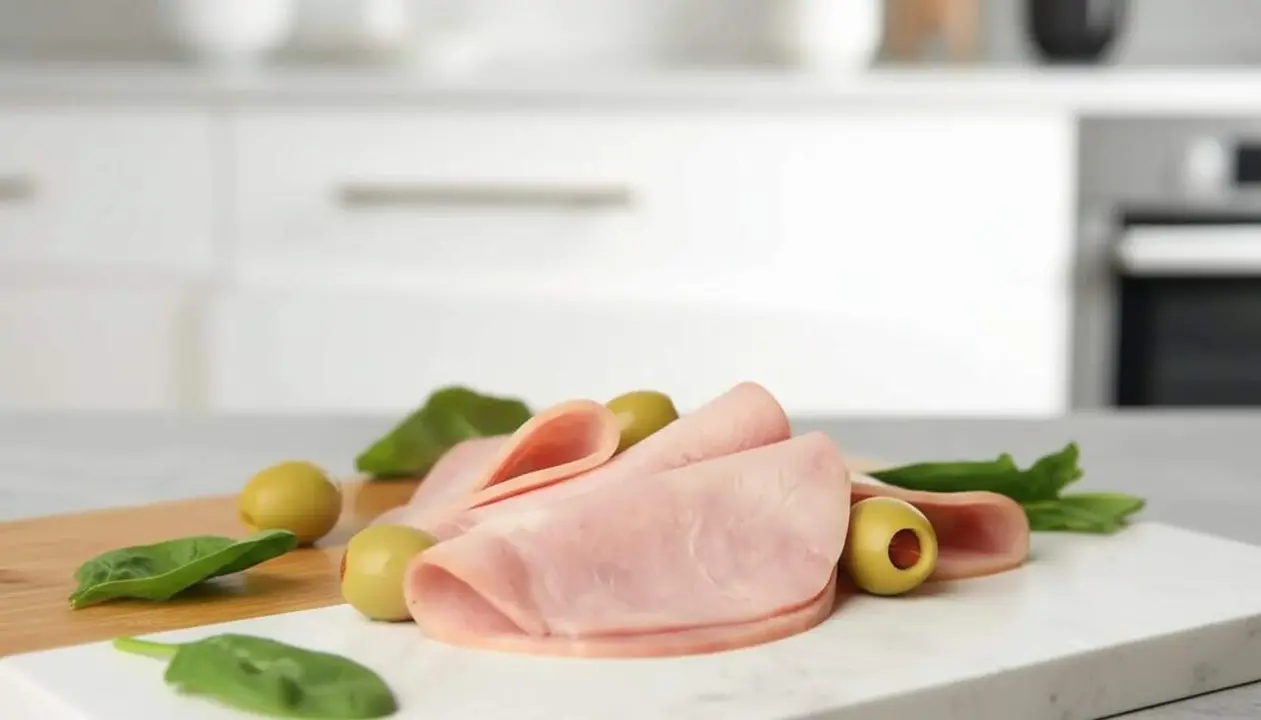

The new regulation published in the Official State Gazette (BOE) will establish key changes in the Spanish food sector, especially regarding turkey ham and stuffed olives. With the aim of ensuring clearer information and rigorous traceability, this regulation will redefine how we perceive and purchase these products.
Furthermore, modifications are also incorporated in the regulation of gluten-free bread and Valencian horchata, directly affecting the quality and labeling of foods that are part of our daily diet. All in all, a transformation that promises added value for both Catalan and Spanish consumers.
What changes affect turkey ham and why are they relevant?
What does the regulation modify in the production of turkey ham?
The legislation introduces new mentions such as "natural" and "artisan production" for meat derivatives, responding to consumers’ demands for more transparent and authentic products. The traceability of cured hams and shoulders is also reinforced, including detailed information about the salting entry date, which improves trust and the purchasing experience.
Why is this of interest to today’s consumer?
In a market where quality and authenticity are valued more than ever, these measures ensure that the consumer not only receives a safe product but can also know with precision its origin and production process. This transparency is key to strengthening the competitiveness of the agri-food sector, according to the Ministry of Agriculture, Fisheries, and Food.
How does the new regulation impact stuffed olives and other traditional products?
What are the updates regarding the labeling and ingredients of olives?
Under the new rule, paste-like fillings must be clearly indicated in the ingredient list, guaranteeing more precise and transparent information. Likewise, traditional denominations such as "anchovy olives" are allowed to be maintained, preserving gastronomic culture and product recognition.
Which other foods are affected and how?
Gluten-free bread is incorporated into the bread quality regulation, allowing products not made with flour to be called bread if they meet the requirements. Valencian horchata can be made with reduced or no added sugars but maintains the prohibition of using colorings and sweeteners to preserve its traditional quality.
What are the other notable modifications and their importance?
How does the regulation affect cider and other products?
The regulation restores technological practices such as clarification and deodorization for natural ciders, including ice ciders, an expansion that enhances diversity and quality within this sector.
What happens with cookies and other innovative products?
The maximum ash limit for cookies is removed, facilitating the introduction of formulations with whole grains, fibers, and other innovative ingredients, which favors variety and adaptation to current consumer tastes and needs.
These modifications represent a qualitative leap in the way everyday foods are regulated in our homes, providing added value to perceived transparency and quality. The sector, for its part, gains competitiveness and adaptability to the demands of a more informed and demanding consumer.
The described changes also establish a legal framework that strengthens confidence in products such as turkey ham, stuffed olives, and gluten-free bread, at a time when traceability and clear information are not options but essential requirements.
The master ham maker recalls that the quality of these products also depends on tradition and craftsmanship at every step, while the regulation seeks to adapt to new technologies without losing this spirit.
Meanwhile, the article on Olives and provides complementary details about the change in quality and labeling of olives and other preserves, reinforcing the importance of clear information for the consumer.
The reality is that these regulatory changes are a direct response to the demand of a modern consumer who wants to know what they eat and how it has been produced. The result: better information, more transparency, and a more competitive and reliable food market.
Frequently Asked Questions
- When does the new regulation on turkey ham and stuffed olives come into effect?
- The regulation is already published in the BOE and has been in effect since 2026, immediately affecting production and labeling of the products.
- What new labels are allowed for turkey ham?
- Terms such as "natural" and "artisan production" can be used to better describe the product according to the new regulation.
- How does the regulation affect gluten-free bread?
- Gluten-free bread is incorporated into the bread quality regulation, allowing products without flour to bear the name "bread" if they comply with the established requirements.