Salomó prepares a solar plant with 3,120 panels and 2.1 MW of power: what will change in the territory?
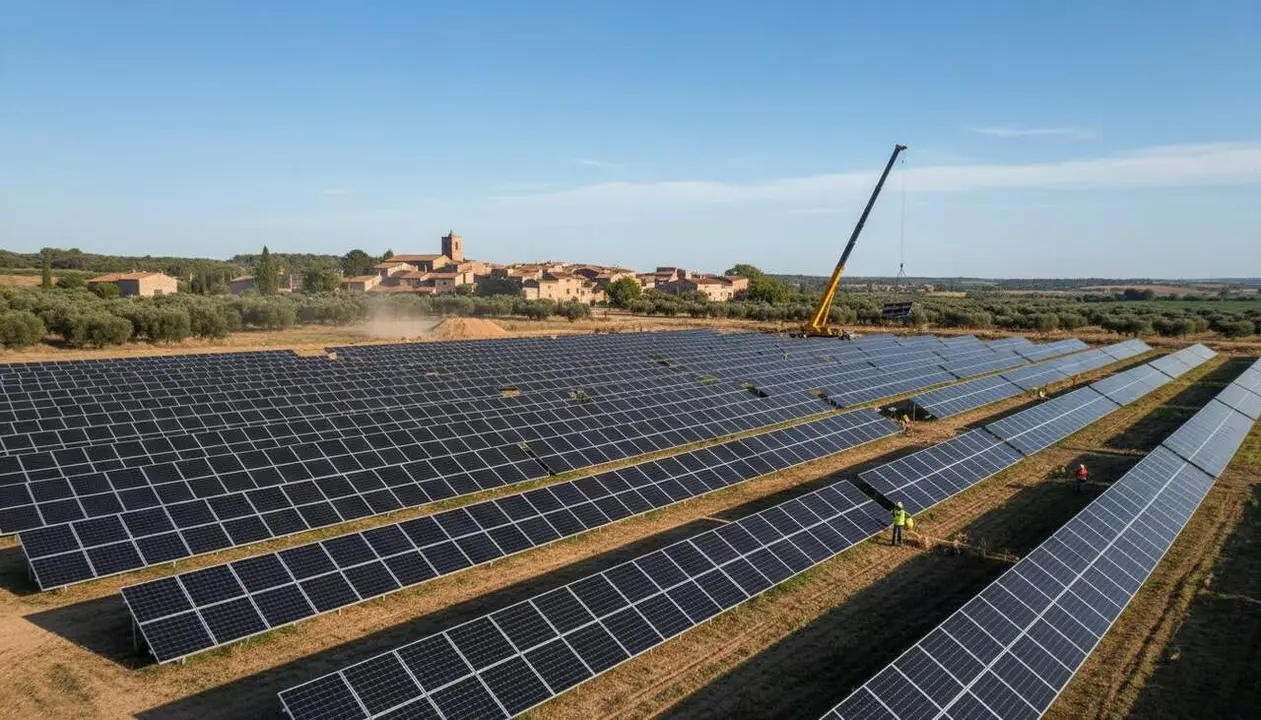

A photovoltaic plant with more than 3,000 solar panels and a power of 2.1 MW is being driven forward in Salomó. The SALOMÓ PSF 1 project plans an installation on non-developable land with inverters and a high-voltage line. This new renewable energy infrastructure is already in public process.
Many residents will wonder how this new photovoltaic plant will affect their immediate surroundings and the landscape of the region, but above all what consequences it will have for the local energy transition. Here we explain everything you need to know.
Technical details of the photovoltaic project in Salomó
What exactly does the SALOMÓ PSF 1 plant include?
The project includes the installation of 3,120 solar panels with a single-axis tracking system, which improves energy efficiency by following the sun throughout the day.
In addition, 6 inverters will be installed to manage the power, which reaches 2.3088 MWp and 2.1 MW, all located on non-developable land, avoiding residential areas.
Where will the plant connect and what will its scope be?
To ensure electrical connection, a 25 kV underground high-voltage line 1,414 meters long and a final aerial section of 65 meters will be created, linked to the Perafort substation.
This ensures the entry of the generated energy into the local electrical grid, contributing to the demand of the Tarragona-Tarragonès area.
Social and territorial impact of the new solar plant
What visual and environmental change will it imply for Salomó?
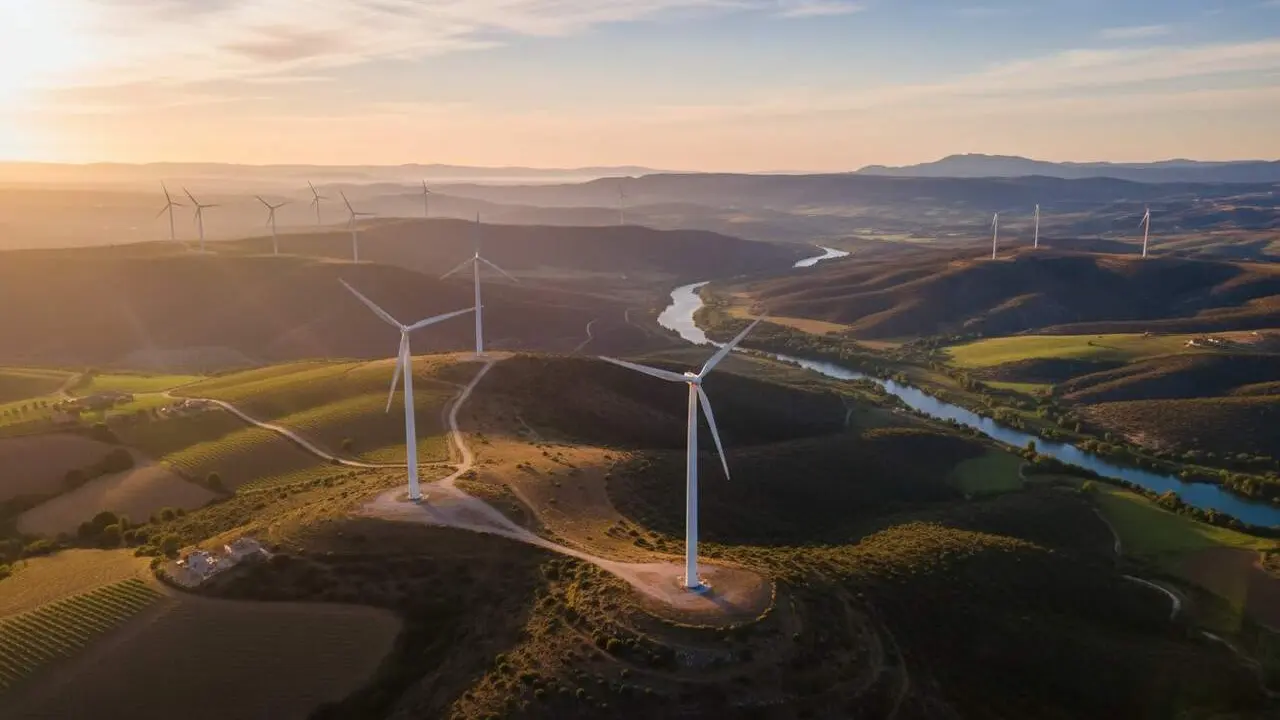
The number of panels and the surface it will occupy will alter the traditional rural landscape, a fact that generates diverse opinions among the residents.
However, the installation bets on clean energy that can reduce dependence on fossil fuels, a point that weighs on the environmental scale.
How will this plant affect the local community and the region?
Besides generating renewable energy, the project represents an investment of €1,237,547.62, which can boost the local economy and create jobs during construction.
But the evolution of social perception will have to be observed, especially regarding whether natural spaces and biodiversity are maintained.
Pending procedures and authorizations
What administrative steps must the project overcome?
The request is already in public information at the DOGC to obtain the prior administrative and construction authorization, together with the environmental impact assessment, mandatory for infrastructures of this scale.
These processes allow society and institutions to evaluate and, if necessary, present appeals or observations.
When could the plant start operating?
Once the legal steps are completed and all permits are in order, construction and commissioning will also depend on economic and logistical factors.
Everything points to the plant being active in 2027, but this depends on the speed of procedures and resource mobilization.
| Aspect | Detail |
|---|---|
| Number of panels | 3,120 |
| Total power | 2.1 MW |
| Inverters | 6 |
| High-voltage line | 1,414 m underground + 65 m aerial (25 kV) |
| Budget | €1,237,547.62 |
The installation of this plant represents another step towards a more sustainable energy model, but not without generating local debate. The way the project is managed will mark the perception that the citizens of Salomó and the Tarragonès region have of it.
It is a clear example of how renewable energies directly impact the daily lives of people in the territory, bringing to the table the need for adaptation and active participation.
Source of the article: Editorial | ACN