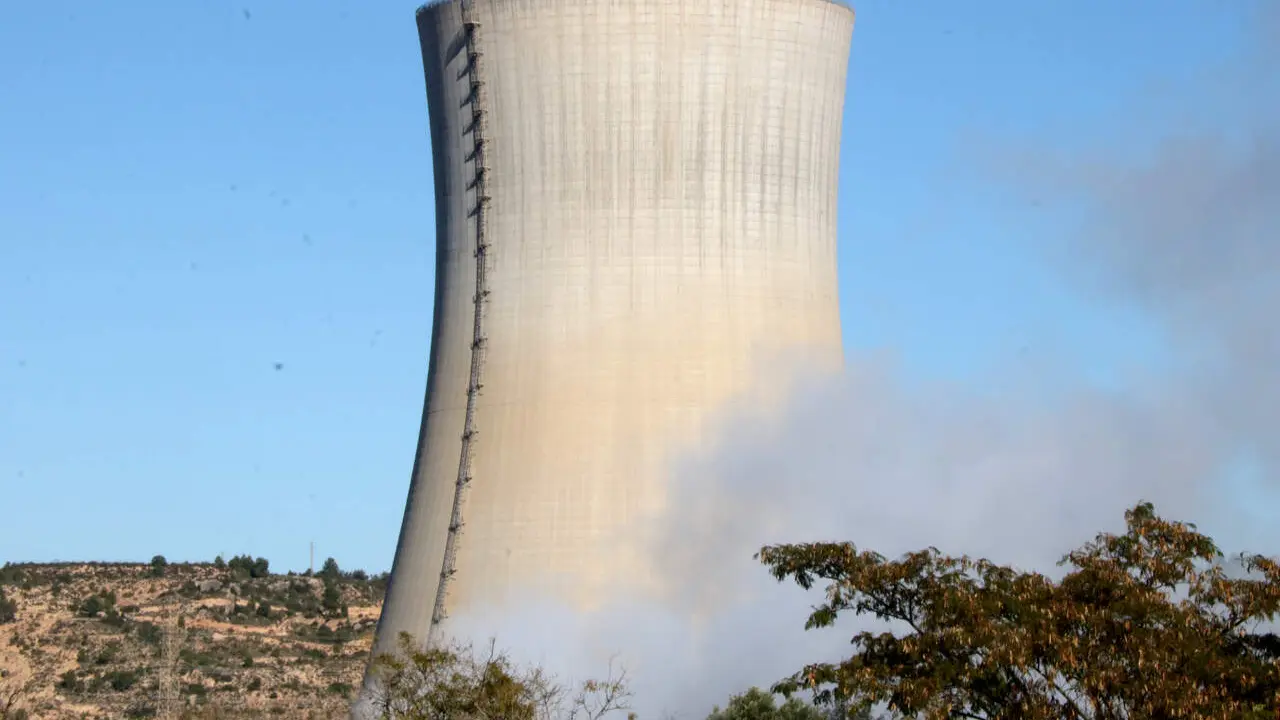
Why do Ecologists in Action and CGT reject the AI gigafactory in Móra la Nova?
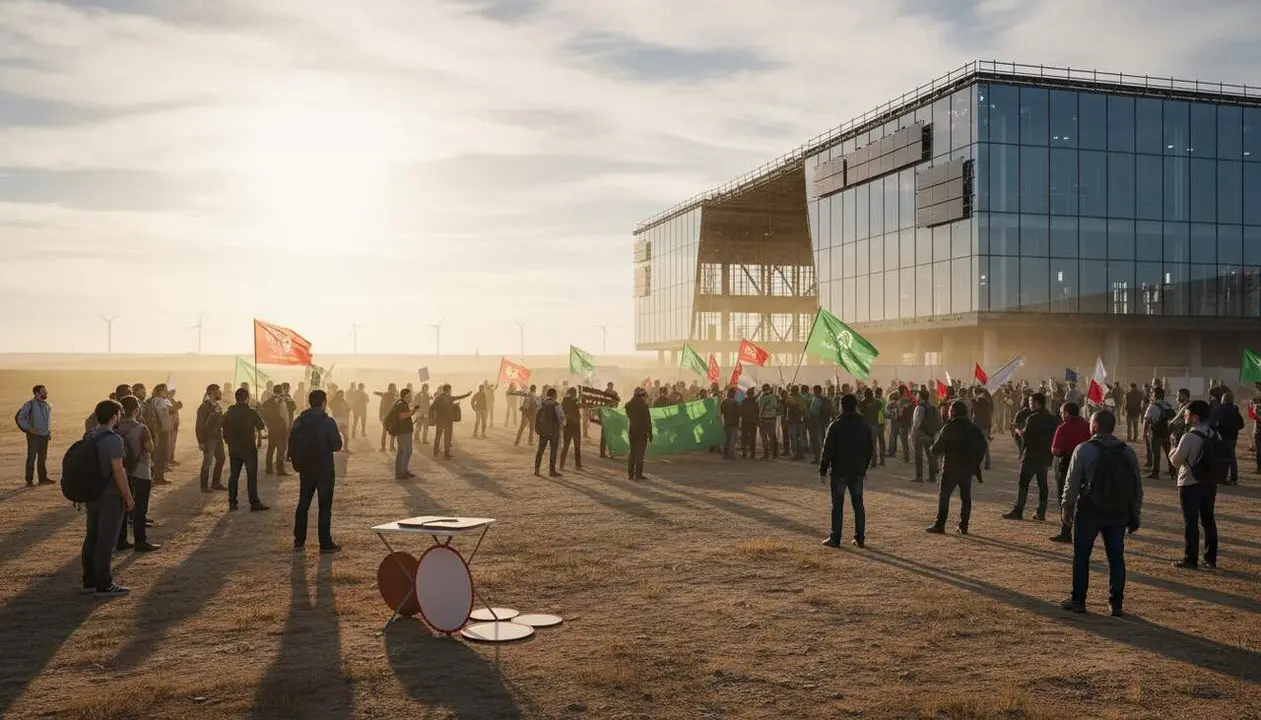

Ecologistes en Acció and CGT reject the installation of an artificial intelligence gigafactory in Móra la Nova due to the impact it will have on local resources and the economy. This debate has alerted the inhabitants and social actors of Ribera d’Ebre, who see this project more as a threat than an opportunity.
The issue is clear: an industry that consumes too much energy and water but does not create stable employment cannot be a real driver of local development. And this is precisely what the activists denounce.
Rejection of the AI gigafactory in Móra la Nova
What are the main arguments of Ecologistes en Acció and CGT?
Both entities warn that these artificial intelligence data centers "drain the territory's energy and water resources", without bringing any real benefit to Ribera d’Ebre. Furthermore, they argue that the installation of these infrastructures will make it impossible for other industries that could offer quality employment and job stability to develop.
How would this affect local economic development?
For the activists, the gigafactory will not be an economic attraction pole but an obstacle. These types of facilities have intense energy consumption and do not require a large workforce; therefore, they do not generate a true industrial fabric nor benefits for the residents.
The plan they demand for Ribera d’Ebre
What do CGT and Ecologistes en Acció propose?
The main demand is an industrial development plan that goes beyond speculation with technologies that do not generate jobs. They want a plan that promotes stable and quality employment, serving to make Ribera d’Ebre a zone of genuine prosperity for its population.
Why is this plan crucial for the territory?
In a context of energy and economic crisis, betting on a model that consumes resources without returning local benefits can condemn the area to stagnation. Therefore, management and planning are key to avoiding situations where the territory is only a space for exploitation.
Impacts and future perspectives of the gigafactory
What environmental risks does the installation imply?
The main risk is the pressure on natural resources, especially water and electricity. These facilities consume large amounts of energy and cooling, which can affect water supply and increase the local ecological footprint.
What could happen if the project goes ahead unchanged?
If approved as is, Ribera d’Ebre could see its traditional industrial fabric pushed to the background, while the gigafactory does not bring the expected prosperity. This could generate frustration and social tensions, in addition to long-term environmental problems.
| Aspect | Potential Impact | Comment |
|---|---|---|
| Energy consumption | High | Could overload the local electrical grid |
| Water consumption | Elevated | Pressure on scarce water resources |
| Jobs created | Low | Small and unstable workforce |
| Local benefits | Limited | No direct social or economic return |
The reality is that this debate highlights the need for a fairer and more sustainable economic model in Ribera d’Ebre, one that does not leave prosperity only for a few.
Source of the article: Editorial | ACN