Catalonia asks for More Days to Fish for Shrimp: there is stock, but the quota runs out
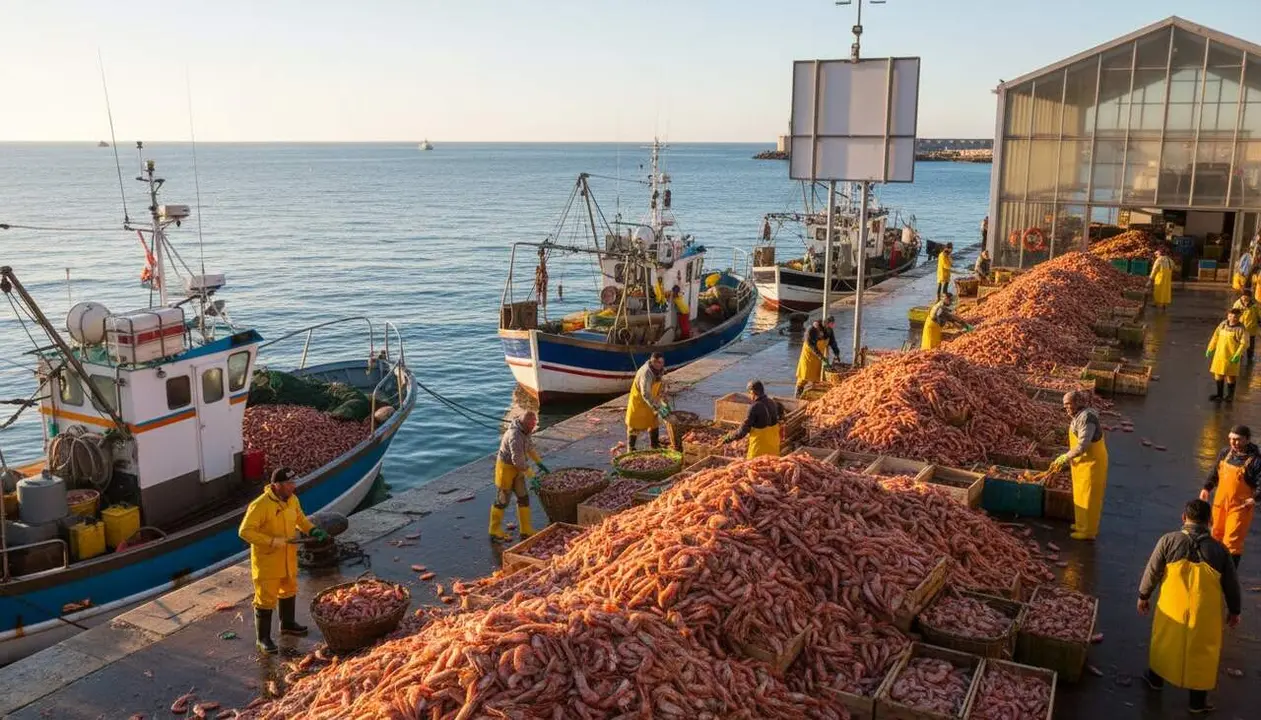

Catalonia requests more days to fish shrimp because Mediterranean stocks have recovered, but the quota of kilograms runs out early. The paradox is simple: there is more shrimp in the sea, but fishermen cannot catch it. And here the problem begins.
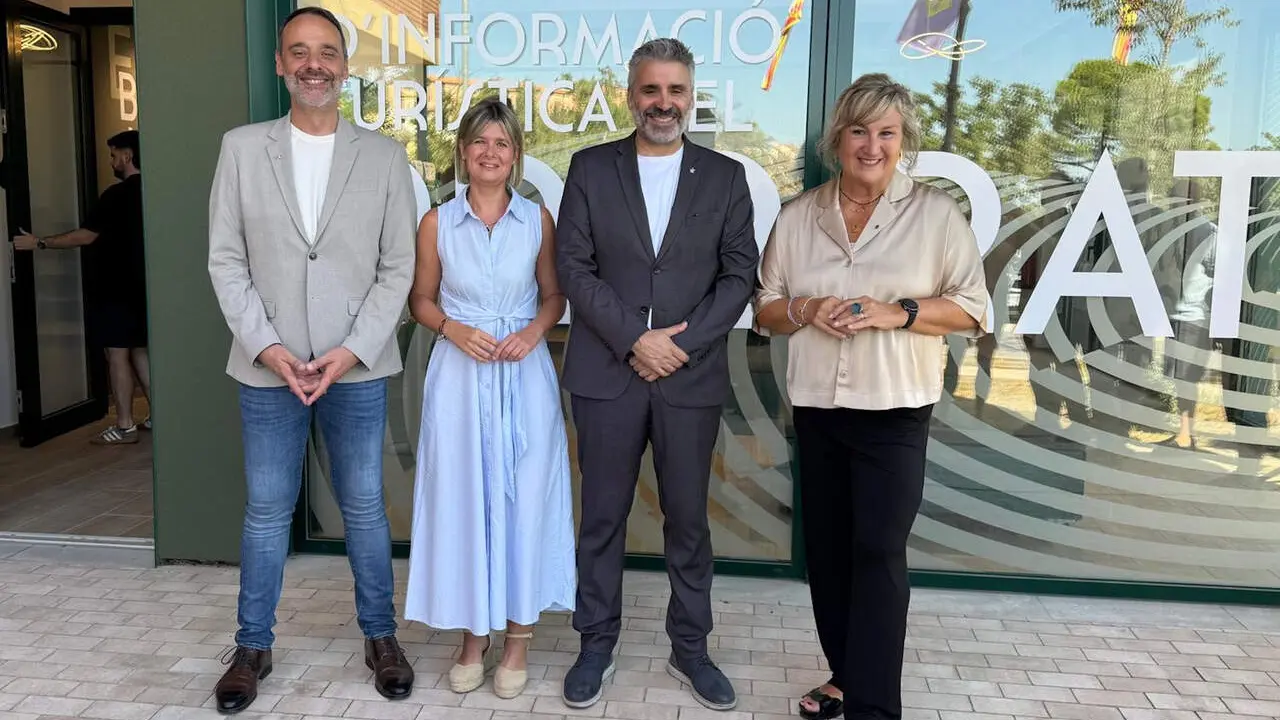
Òscar Ordeig has conveyed this claim to Brussels during a meeting with the European Commissioner for Fisheries, Costas Kadis. The councilor wants to eliminate the double regulation that simultaneously limits both the working days and the quantity of shrimp each fleet can catch.
The shrimp is there, but the ports already hit the limit
Why does Catalonia demand more fishing days?
For Catalan ports, the request is not a distant technical battle. **It affects the possibility of going out to sea, bringing shrimp to the markets, and maintaining a fishing activity that has already suffered a reduction in fleet and workers.**
Ordeig explained that fishermen can work a maximum number of days per year. In the case of shrimp, this limitation adds to a second ceiling: the kilograms that can be caught. Two barriers for the same product.
The councilor has defined this situation as “double regulation” and stated that it is a system that “was invented” and does not appear in any regulation. His proposal is to eliminate this combination of limits and increase the number of days fishermen can go out.
The claim comes after the recovery of the stocks. According to the data Ordeig has presented, the sector’s efforts have made it possible that today there are more fish in the sea. The councilor’s phrase is direct: “There is more shrimp than ever.”
What happens when the assigned kilograms run out?
According to Ordeig, Catalan ports have practically exhausted the available kilograms of shrimp. This leaves a situation difficult to explain to the consumer: the resource is there, but the legal activity stops when the established ceiling is reached.
The councilor related this limit to three concrete effects: a disturbance of prices, difficulties in finding shrimp in markets, and an increase in imports. The Catalan fishing sector is thus left in a weaker position compared to other activities.
The sequence is almost absurd (but perfectly administrative): stocks recover, the shrimp remains in the sea, and fishermen reach the kilogram limit. Then, markets have to look for products elsewhere. Shrimp does not disappear; it disappears from the local circuit.
| Regulatory element | What it implies for the sector |
|---|---|
| Fishing days | Maximum number of days to go out working during the year. |
| Shrimp kilograms | Additional ceiling on the quantity caught. |
| Stocks recovered | Ordeig argues this would allow reviewing current limitations. |
| Markets | More difficulties finding shrimp and more imports, according to the councilor. |
What has Ordeig asked Brussels?
Is the proposal to remove the double limitation?
The request directly affecting fishermen is clear: increase fishing days and review the specific ceiling of shrimp kilograms. **Ordeig wants the rules to adjust to the current state of stocks and not maintain a restriction designed without considering this recovery.**
The councilor made this demand in a meeting with Costas Kadis, European Commissioner for Fisheries, and in meetings with European Commission officials. The goal was to convey Catalonia’s priorities for the future fisheries policies of the European Union.
The discussion is not just about permission to go out a few more days. It also concerns how the sustainability of a fishing activity is measured. If fishermen have reduced effort and stocks have recovered, Catalonia argues that the regulation must be able to change.
This is the reading that the Catalan Government has brought to Brussels: rules must distinguish between a situation of overexploitation and another in which stocks have improved. The same limit does not serve all situations.
Why do five territories demand changes in the Mediterranean?
Catalonia has not presented the demand alone. Ordeig met with the European commissioner along with representatives from the Valencian Community, the Balearic Islands, Andalusia, and Murcia, who conveyed common claims from the Mediterranean fishing sector.
The five territories ask that European legislation better adapt to coastal and small-scale fishing. The shared message is that the current rules have had very harsh effects on an activity made up of fleets, sea workers, and ports that depend on daily operations.
Ordeig described the effects of poor regulation over the past years as devastating. He cited the reduction of the fishing fleet and sea workers, with a “very significant” socioeconomic impact.
Catalonia’s claim therefore has two layers: asking for more shrimp fishing days and ensuring that European rules take into account the reality of Mediterranean fishing. The port reader can summarize it in a much less bureaucratic way: if there is product and the sea has recovered, why can’t you go out?
The recovery of stocks changes the debate
What data does Catalonia use to defend its position?
Ordeig presented data from the Catalan Institute for Marine Governance Research, Icatmar, to support that the sector’s efforts have led to stock recovery. The councilor emphasized that this improvement is backed by scientists.
The data serves to overturn the debate. For years, the reduction in activity was justified by the need to protect resources. Now Catalonia holds that this same discipline has given results and that limitations must be reviewed according to available stocks.
According to the argument presented in Brussels, it is not about going out fishing without limits. The claim focuses on a regulation that combines the state of resources, scientific work, and the economic reality of ports. **The key word is adapt, not simply maintain.**
What role does Catalan co-management play?
Catalonia has defended its fisheries co-management model before the European Commission. This system brings together scientists, fishermen, and administration at the same table to make decisions about the activity.
Ordeig presented Catalonia as a pioneering territory in this model and explained that the European commissioner praised it. According to the councilor, Kadis stated that co-management is the future model he wants for the Mediterranean.
This data gives a more concrete dimension to the shrimp request. Catalonia not only asks to change a ceiling; it also supports a way of deciding the rules. If those who study the sea, those who work there, and the administration share information, the Catalan Government believes limitations can be more accurate.
The debate still has to continue at the European level. For now, the Catalan position is defined: more days to go out, review of the kilogram limit, and rules adapted to coastal fishing that guarantee having done their homework. Now the ball is in Brussels’ court, which will have to decide whether regulation weighs more than the reality of stocks.
Òscar Ordeig’s request combines a fact and a contradiction: **shrimp stocks have recovered, but ports are already reaching the catch limit**. Catalonia wants Brussels to review the double regulation, allow more working days, and consider the co-management model. For the sector, it is not a paper debate: it is about being able to go out to sea when the resource is there.
Frequently Asked Questions
- Why does Catalonia ask for more days to fish shrimp?
- Because Mediterranean stocks have recovered, while Catalan ports have practically reached the shrimp kilogram ceiling. Ordeig considers this situation justifies increasing fishing days.
- What is the double regulation of shrimp?
- It is the system that simultaneously limits the number of days fishermen can go out and the kilograms of shrimp they can catch. Ordeig asks to remove this double limitation.
- Which territories support the request?
- Catalonia has conveyed the demand together with the Valencian Community, the Balearic Islands, Andalusia, and Murcia. The five territories ask for rules adapted to coastal and small-scale fishing.
- What fishing model does Catalonia defend?
- It defends co-management, which brings together scientists, fishermen, and administration to make decisions on fishing. Ordeig has presented it as a pioneering and suitable model for the Mediterranean.
Source of the article: Catalan News Agency