Why the BMW 3.0 CSL Batmobile’s M30 engine made the difference
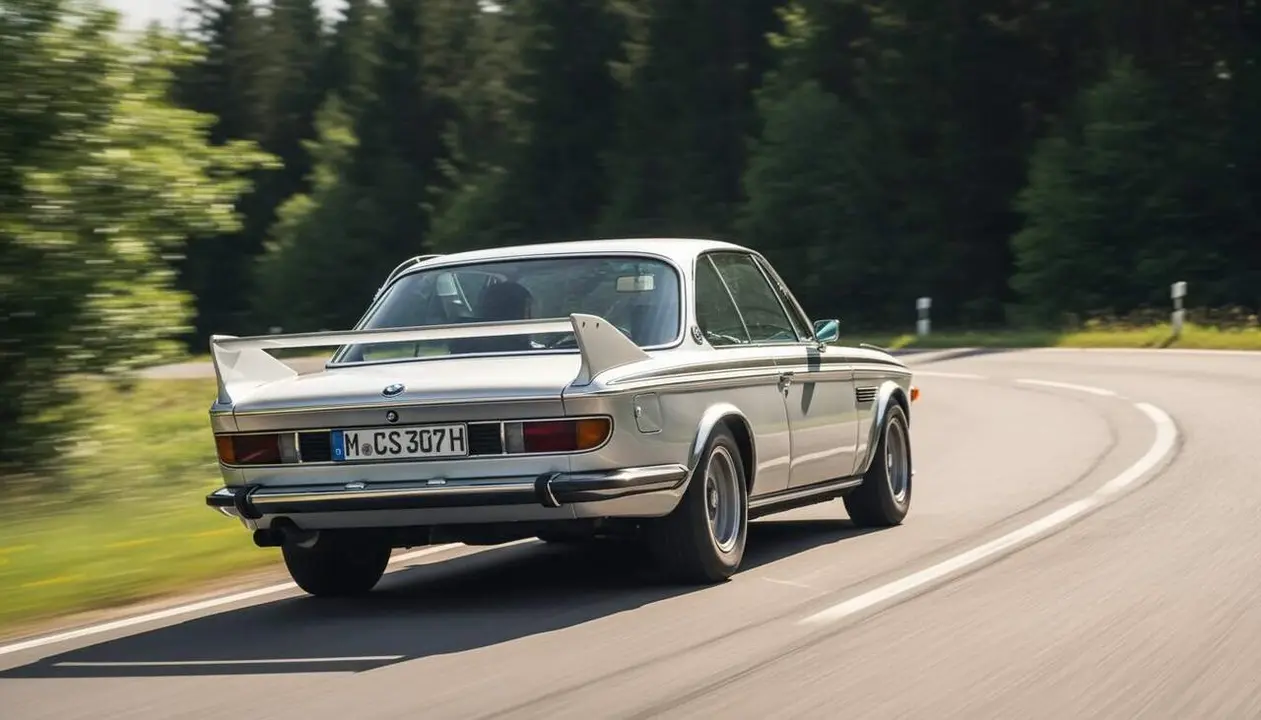

The BMW 3.0 CSL 'Batmobile' six-cylinder inline M30 engine was key to its performance. This powerplant, capable of going from 0 to 100 km/h in 7.3 seconds, defined an era in the 1970s.
But it wasn’t all about power: aerodynamic design and lightness were its calling cards. The 3.0 CSL was much more than a pretty car; it was a symbol of competition and innovation.
The BMW 3.0 CSL M30 engine: a mechanical legacy that still shines
⛽ Combined fuel consumption: Not applicable (classic model)
💶 Approximate current price: varies depending on restoration
🏁 0-100 km/h: between 7.3 and 6.9 seconds
Why did the 3.0 CSL mark a before and after at BMW?
The 3.0 CSL was not just another model in the E9 series, but a statement of intent by BMW to face the top contenders of the European Touring Car Championship. Its nickname, ‘Batmobile,’ reflected an aggressiveness and aerodynamics designed with the sole purpose of dominating the track. Its lightness, thanks to the use of aluminum in key parts, made it an agile giant.
How was such a radical image achieved?
The enormous aerodynamic appendages, like spoilers and deflectors, weren’t just aesthetic but functional. The work of BMW Motorsport was key to ensuring stability at high speeds, something that still impresses today. This not only made it attractive but genuinely competitive.
Technical details of the M30 engine: power in six inline cylinders
What technical features made the M30 engine unique?
The M30 engine combined a cast iron block with an aluminum head, an overhead camshaft, and two valves per cylinder. With an initial compression ratio of 9.5:1, it reached up to 9.8:1 in later versions, improving performance without forced induction. The Bosch D-Jetronic mechanical injection was replaced by the more advanced L-Jetronic.
How did displacement and power evolve in the engine?
It started with 2,985 cc and 180 HP, which was only the beginning. The engine grew to 3,003 cc with 206 HP, and finally to 3,153 cc maintaining power but increasing torque up to 286 Nm. This growth allowed performance improvements without losing the reliability inherent to a naturally aspirated engine.
Performance and racing heritage: the true spirit of the Batmobile
How did the M30 engine affect the 3.0 CSL’s performance?
With a four- or five-speed Getrag manual gearbox and rear-wheel drive, the numbers speak for themselves: 0 to 100 km/h in just 7.3 seconds, dropping to 6.9 seconds with the more powerful engine. Top speed was around 220 km/h, a remarkable figure for a car of that era.
What importance does the M30 engine have in BMW Motorsport history?
The M30 engine was not just a powerplant but the foundation of a legend that led to the creation of BMW Motorsport GmbH, the origin of the brand’s most iconic models. Many enthusiasts consider it the direct precursor to the BMW M cars that today dominate the sports segment.
The reality is that the M30 engine and the 3.0 CSL Batmobile not only achieved an excellent technical level but also forged a sporty image that remains a reference today. Its combination of power, lightness, and aerodynamics created a car that seemed to want to race beyond its time.
This story reminds us that sometimes success in an engine comes not only from displacement or power but from knowing how to combine everything with a unique personality and a clear vision of competition. The BMW 3.0 CSL and its M30 engine are proof that you don’t have to be the most powerful to be legendary.
Frequently Asked Questions
- What was the original displacement of the M30 engine?
- The first version had 2,985 cc, which increased to 3,153 cc in later evolutions.
- What were the 0 to 100 km/h times of the BMW 3.0 CSL?
- Between 7.3 seconds in the initial version and 6.9 seconds in the most powerful 3.2-liter version.
- Why is the BMW 3.0 CSL known as the ‘Batmobile’?
- Because of its extreme aerodynamics with large spoilers and extensions, reminiscent of Batman’s car from the comics.