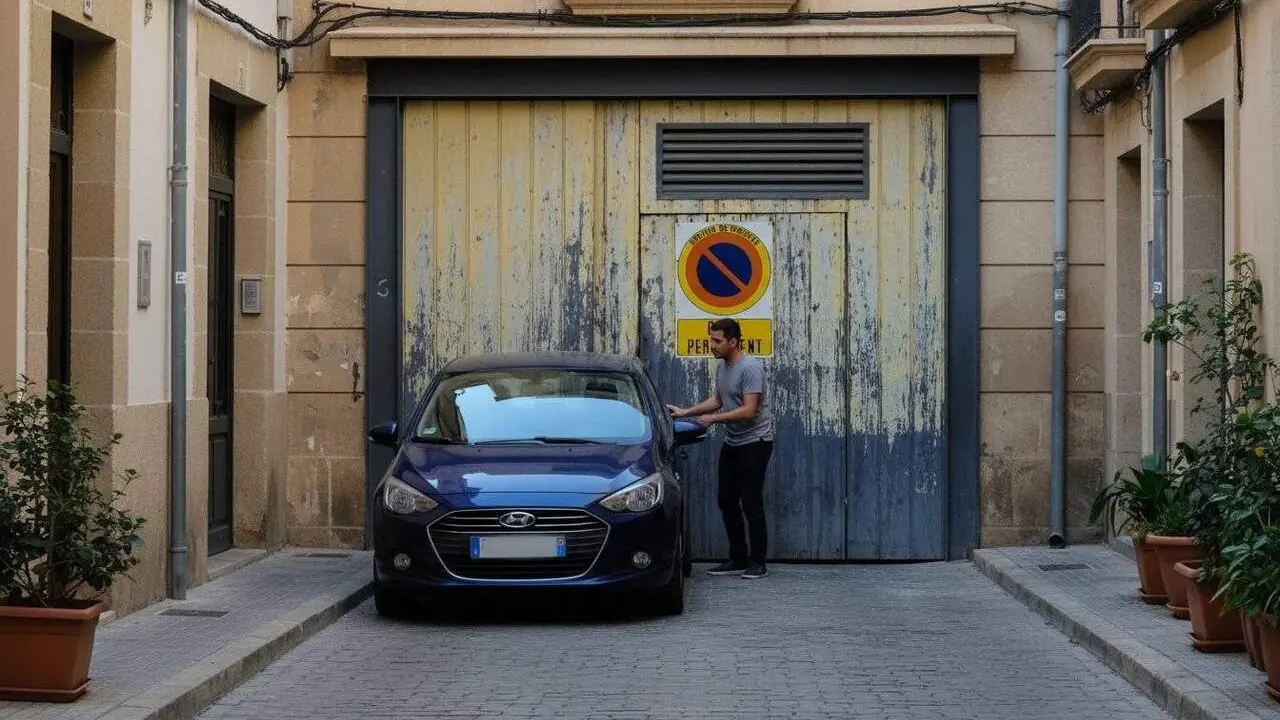
Two key changes this week for motorcycles: Reflective vest mandatory on the road
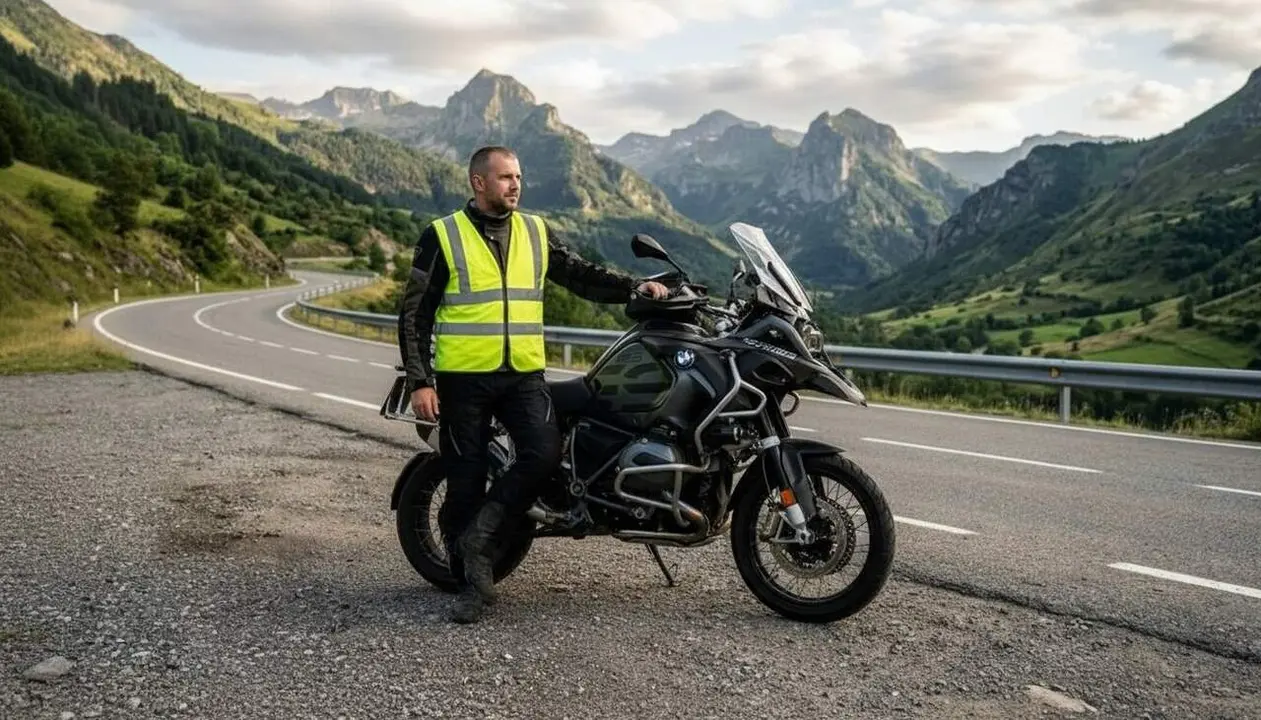

The reflective vest on motorcycles is legally mandatory when riding on the road starting October 1, 2026. This change affects all motorcyclists and cannot be ignored, although it is not necessary to wear it while riding.
Until now, only cars had to have it in the glove compartment, but now the DGT also requires motorcyclists to carry it stored on the motorcycle or in a pocket. The reason? To prevent tragedies when having to stop on the shoulder due to a breakdown or emergency.
New regulation for motorcyclists: what exactly does Royal Decree 518/2026 say?
Why should you care, reader who rides a motorcycle or scooter? Because the change is now official and compliance is non-negotiable. The rule, published in BOE no. 155 on June 26, 2026, requires carrying a "high visibility" reflective vest according to the requirements for personal protective equipment.
When and how must the reflective vest be carried?
The law states that you must carry it with you on the road or highway, stored under the seat or in the jacket, but it does not need to be worn while riding. It is only essential to put it on when the motorcycle stops due to a breakdown or other incident and you need to get off the vehicle to occupy the shoulder or roadway.
What penalties are involved for not complying with this rule?
The DGT has not yet detailed the exact fine range for non-compliance, but internal sources indicate they will be similar to those for four-wheeled vehicles: monetary fines and point deductions on the license. Not carrying the vest when required can be problematic, especially because safety comes first.
International comparison: what do other countries do with reflective vests for motorcycles?
If you wonder whether this is something new or a Spanish invention, it is not. For example, in Peru it has been mandatory for years to carry a reflective vest when riding a motorcycle, aiming to reduce accidents and even crime.
How has this measure worked in other places?
In Peru, the measure has helped increase motorcyclist visibility in emergency situations, reducing road accidents, although it has also caused some logistical difficulties for riders with limited space on their motorcycles.
Are there differences with the Spanish regulation?
The main difference is that in Spain the vest does not have to be worn at all times, only when you get off the vehicle on the road, whereas in Peru its use is stricter during riding in certain areas.
How does this rule affect the mobility and routine of Spanish motorcyclists?
Mandatory carrying of a reflective vest starting October 1 may seem like a hassle, especially due to the lack of space under the seat, a classic issue with scooters and urban motorcycles.
What alternatives do motorcyclists have for carrying the vest?
Many choose to store it in some compartment under the seat or in a jacket pocket, although this can be inconvenient when space is tight. Moreover, the vest is an inexpensive accessory, which somewhat lightens the burden.
Why is this measure more about safety than bureaucracy?
Because getting off the motorcycle on a road is a critical moment and the reflective vest can make the difference between being visible or being an invisible victim. DGT sources remind that the rule aims to minimize accidents and save lives, not to create more obstacles for motorcyclists.
With this new requirement, the DGT wants to close a legal gap that left motorcyclists in a gray area of risk and responsibility. Wearing a reflective vest when stopping on the road is no longer optional, but an obligation that can prevent tragedies.
The reality is that this rule changes the daily behavior of motorcyclists from this October 2026 onward. Preparing the reflective vest, storing it properly, and knowing when to put it on will now be part of the essential gear for anyone who wants to avoid trouble with the law or their safety.
🎯 Points deduction: 2 points (estimate)
📅 Effective from: October 1, 2026
🏛️ Authority: Directorate General of Traffic (DGT)
If you are a motorcyclist, prepare for this new routine that can no longer be ignored. And no, "I didn’t have space under the seat" is not an excuse because safety accepts no excuses.
With this change, the DGT not only wants more order, but also to take seriously the safety of those of us who share the road on two wheels.
Frequently Asked Questions
- When does the obligation to carry the reflective vest on the motorcycle come into effect?
- The rule comes into effect on October 1, 2026, and carrying the vest is mandatory when riding on roads or highways.
- Do I need to wear the vest while riding the motorcycle?
- No, you only need to carry it stored and put it on if you have to get off the motorcycle on the road or shoulder due to a breakdown or emergency.
- What penalties can be received for not carrying the reflective vest?
- Not carrying it can result in monetary fines and point deductions on the license, similar to the regulation for four-wheeled vehicles.