Three key problems in Mutua Madrileña's expert reports on bumpers affecting workshops
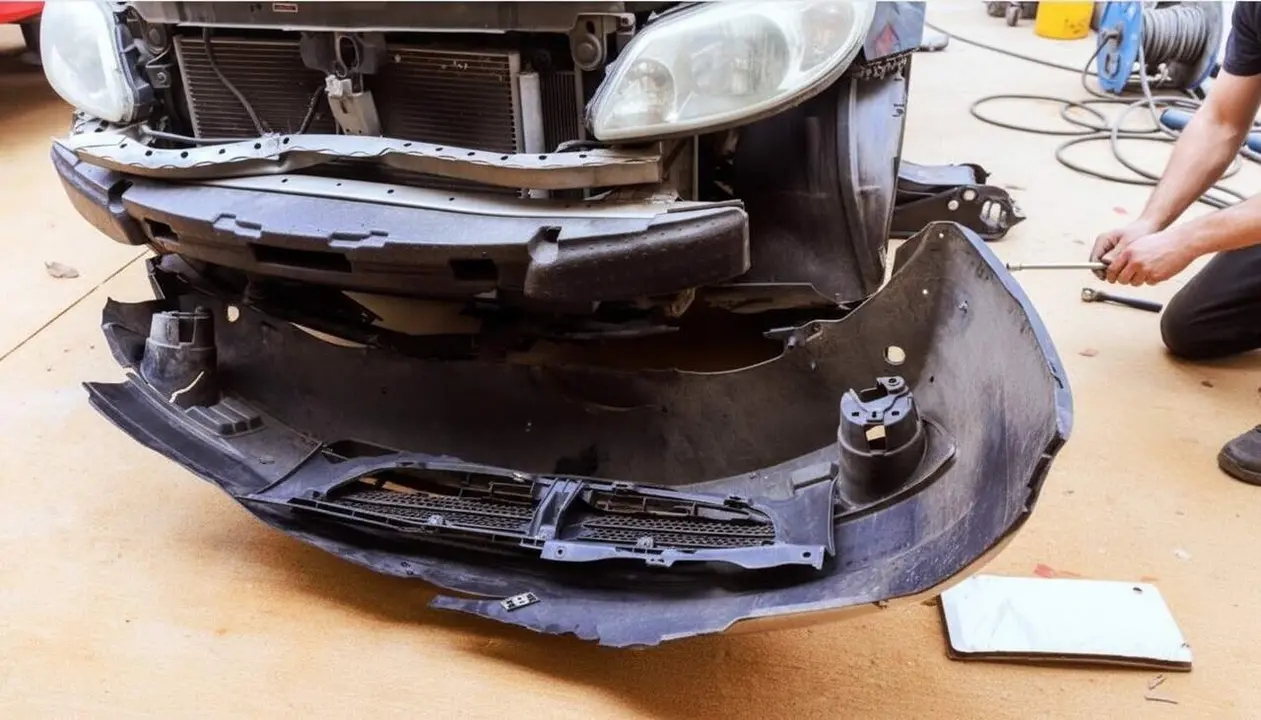

Workshops denounce that Mutua Madrileña continues to improperly value the actual work on vehicle bumpers. This situation causes essential operations such as disassembly and assembly of integrated components not to be paid for, generating a significant economic loss.
The Dialogue Table formed by Asetra, Aprotalleres, Conepa, and Cetraa has clearly demanded: that appraisals reflect the actual time and labor. However, despite promises, some cases still show shortcomings in recognition.
Why does it matter to workshops that Mutua Madrileña recognizes all work on bumpers?
Which operations are excluded from the current valuation?
When appraisers perform the appraisal, they often only consider the disassembly and assembly of the bumper, but not the disassembly or assembly of integrated components such as grilles, sensors, or ADAS elements. These steps require time and specific labor that are not being paid for.
Workshops see how the total recognized repair time is reduced, shifting a financial cost they should not have to bear. Asetra warns that this situation directly harms their viability.
How does the Dialogue Table propose to solve this lack of recognition?
The Table recommends carefully reviewing each appraisal that includes bumpers with integrated components and explicitly requesting the inclusion of labor items for assembly and disassembly, justified according to the real process. This measure would prevent working times from being hidden under a generic item.
It also raises the need for a specific study of each bumper by brand and model, establishing a time adjusted to technical reality, eliminating the fixed 0.75-hour time that Mutua Madrileña previously applied.
What is Mutua Madrileña’s stance regarding this claim?
Are they willing to pay the actual times?
According to internal sources from Mutua Madrileña’s claims department, there is a clear willingness to pay the actual assembly and disassembly times, removing the previous fixed time and maintaining payment for additional times. This is the instruction given to their appraisal team.
However, although Asetra and Aprotalleres confirm that in general this criterion is met, there are still occasional cases where all necessary times are not recognized.
What impact does this stance have on the workshops' daily practice?
The proposal to eliminate the fixed time and adjust the time for each bumper could represent a significant improvement in workshops’ invoicing, but until the criterion is applied uniformly, economic uncertainty persists. This affects business forecasting and profitability.
How does this issue translate into a practical case?
What is the actual bumper repair process?
To bring theory down to practice, the Dialogue Table details the complete process carried out by a workshop:
- Disassembly of the bumper.
- Disassembly of integrated components such as sensors, grilles, or fog lights.
- Repair and painting of the bumper.
- Assembly of the components that were disassembled.
- Assembly of the bumper onto the vehicle.
What error do usual appraisals make?
Appraisals usually only recognize steps 1 and 5, completely ignoring steps 2 and 4, which involve specialized labor and additional time. This causes workshops to work without charging for everything they do.
The Dialogue Table insists that for proper valuation, specific items must be included for the labor of bodyworkers, trimmers, and electricians, covering these additional processes.
| Item | Description |
|---|---|
| Bodyworkers’ labor | Disassembly and assembly of structural components integrated into the bumper. |
| Trimmers’ labor | Handling of decorative elements and bumper coverings. |
| Electricians’ labor | Management of electronic components such as sensors, fog lights, or ADAS systems. |
It should be noted that, in some cases, the disassembly and assembly time of headlights and tail lights is included in the base time, but the specific labor for additional electronic elements must be charged separately.
Therefore, when an appraiser says everything is included in bumper disassembly and assembly, they are oversimplifying. These are different things and deserve clear recognition.
The situation poses a challenge for Mutua Madrileña and workshops, who must continue negotiating to adjust appraisals to technical reality, preventing workshops from being economically disadvantaged by a system that does not reflect actual work.
Workshop associations will continue monitoring and pressuring for a fair and transparent appraisal system, ensuring that every minute of actual labor receives its corresponding payment.
The debate remains open, because until all processes and layers of work are recognized, workshops will continue to see their work undervalued and underpaid.
Mutua Madrileña has made positive steps, but there is still a way to go.
Frequently Asked Questions
- What exactly do workshops demand from Mutua Madrileña regarding bumper appraisals?
- They demand that all actual work times be recognized, especially the disassembly and assembly of integrated components, which are not being paid for in many appraisals.
- How does the lack of recognition of additional times affect the viability of workshops?
- The failure to pay for all labor generates a direct economic loss, as workshops take on costs they should not have to bear, affecting their profitability.
- Has Mutua Madrileña changed its payment policy for bumper repairs?
- Yes, it has eliminated the fixed 0.75-hour time and expressed willingness to pay actual times, but there are still cases where it is not properly applied.