Three cliffs at the tunnel that the DGT and the Civil Guard monitor with fines of 600 euros and 6 points
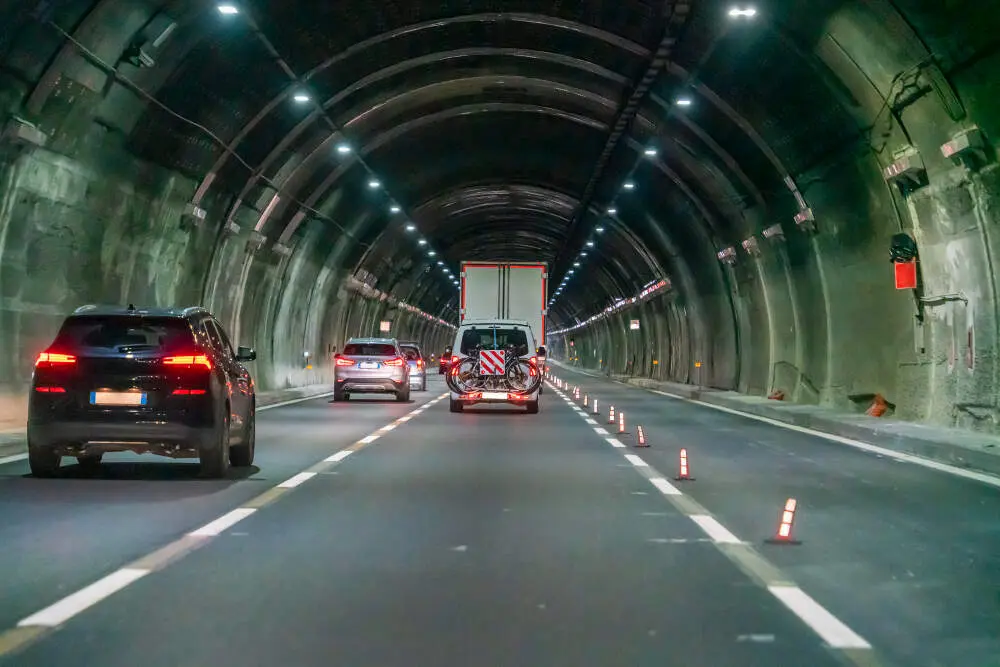

The Civil Guard closely monitors Catalan drivers who dare to overtake in tunnels, a maneuver that can end with a 600-euro fine and the loss of 6 driving license points. This measure comes after detecting behaviors that increase danger in these enclosed spaces with reduced visibility.
If you have ever wondered whether it is allowed to overtake inside a tunnel, get ready because the answer is not only a firm no, but the penalties are the kind that hurt both your wallet and your driving freedom.
Surveillance in tunnels: why is it so crucial for Catalan drivers?
Tunnels are not just any place to perform risky maneuvers. The DGT and the Civil Guard have focused on these sections because the risks multiply: space shrinks, visibility becomes complicated, and reaction to unforeseen events is much slower.
For this reason, surveillance has been intensified especially in tunnels where more infractions related to improper overtaking are recorded. This control is no joke: drivers can receive fines of 600 euros and lose up to 6 driving license points. Once you fall, it will cost you to trust the road as before.
What are the rules that prohibit overtaking in tunnels?
According to article 87 of the General Traffic Regulations, overtaking inside a tunnel is prohibited if there is not more than one lane in the same direction or if the maneuver involves invading the opposite lane. This rule is not written to decorate the regulations, but to prevent accidents from repeating, which can become tragic in these spaces.
Moreover, even if the tunnel has more than one lane, the maneuver must be signaled, it must be ensured that visibility is sufficient, and speed limits must be strictly respected. It's not a matter of risking your license for a reckless overtake.
What recommendations does the DGT make to avoid risks in tunnels?
The DGT insists that extreme caution must be exercised when driving inside a tunnel. Avoiding dubious overtaking is just the tip of the iceberg; they also recommend not entering if the traffic light is red or if there are queues, maintaining a minimum distance of 100 meters from the vehicle ahead, and turning on dipped headlights even if the tunnel is short.
These tips seem like common sense but are often ignored, which forces the Civil Guard to issue fines that test the patience and pockets of Catalan drivers.
Penalties for overtaking in tunnels: what impact do they have on drivers?
For any driver who thinks that overtaking in a tunnel is a maneuver without consequences, the DGT makes it clear that it is a serious infraction with economic sanctions that can reach up to 600 euros and the automatic loss of 6 driving license points.
This is not just any traffic fine. Those 6 points represent almost a third of the license, and adding them to other sanctions can end with the temporary or permanent withdrawal of the permit.
How does this regulation affect Catalan drivers in practice?
The reinforcement of controls by the Civil Guard at points such as the C-14 or N-340 tunnels makes many Catalan drivers have one more reason to think twice before overtaking. There is a notable increase in fines for this maneuver, especially in areas with more traffic and risk.
Regular tunnel drivers know that the key is patience and prudence, but there are still those who, under the excuse of hurry, end up paying the highest price.
What other factors increase risk inside tunnels?
Besides improper overtaking, factors such as lack of safety distance, poor signaling, or incorrect use of lights also increase danger. The Civil Guard and the DGT not only watch overtaking but everything that can cause accidents.
Respecting these rules is not just about avoiding fines but about preventing situations that can endanger the lives of all road users.
Practical advice to avoid headaches and fines on the road
What should you do when you find yourself in a tunnel?
Always maintain a safety distance of at least 100 meters from the vehicle ahead, turn on your dipped headlights, respect traffic lights, and avoid any risky maneuvers such as overtaking or unnecessary lane changes.
Thus, you will avoid not only the 600-euro fine and the loss of 6 points but also greater troubles.
Why do some drivers break these rules anyway?
The answer is simple: impatience and overconfidence. Many think they can overtake without problems, but this ignores that tunnels are spaces where reaction capacity is drastically reduced.
The Civil Guard reminds that these rules are not meant to annoy but to protect. And if you think you can go against them, remember that the fine and loss of points are very real.
The combination of the DGT and the Civil Guard watches Catalan tunnels like never before, and improper overtaking can be very costly. Prudence behind the wheel not only saves you from sanctions but can prevent serious accidents at these particularly dangerous points.
If you are a regular driver in Catalonia, you have one more reason to be fully alert inside tunnels. It is not worth risking a few gained seconds that can end in something much worse.
Frequently Asked Questions
- What fine can be received for overtaking in a tunnel?
- The sanction can reach up to 600 euros and the loss of 6 driving license points if the maneuver is considered dangerous.
- When is overtaking inside a tunnel allowed?
- Only if the tunnel has more than one lane in the same direction and as long as safety and signaling conditions are met.
- What measures does the DGT recommend for driving inside a tunnel?
- Maintain at least 100 meters distance, turn on dipped headlights, and do not enter if the traffic light is red or if there is stopped traffic.