Ramon Vallès explains why the airplane is safe without leaving it to chance
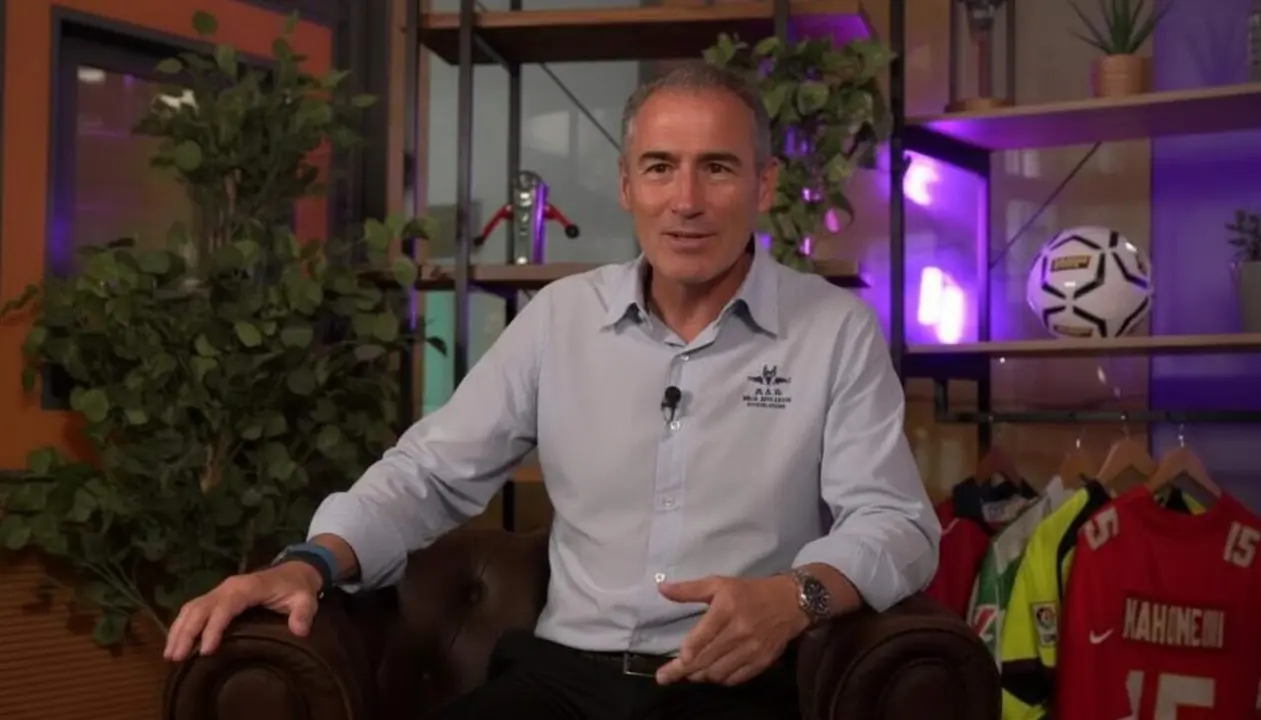

Ramon Vallès states that safety in commercial aviation does not depend on luck, but on rigorous discipline and a system that ensures reliability. This vision, which breaks the popular imagination, places preparation and adherence to protocols as fundamental pillars so that millions of people can fly every year with peace of mind.
The profession of pilot is not just a job, but a vocation that demands commitment and daily consistency in every aspect of the work. Vallès, with his experience, emphasizes this: behind every flight there is work that begins long before takeoff.
Safety, the pillar that supports all aviation
For a pilot like Vallès, safety is the essence of the profession and the basis of all decisions on board and on the ground. Its importance cannot be underestimated, as every action and check is designed to minimize risks and guarantee the integrity of passengers.
Why does safety matter so much to the passenger?
Passengers usually only perceive the final phase of a much more complex process. But the reality is that before every flight there are a lot of controls, verifications, and strict procedures that ensure reliability. This reality is what makes aviation one of the safest means of transportation that exists.
What elements guarantee this safety?
The safety system is based on three key pillars: strict protocols, continuous training, and constant supervision of the entire team. This set of elements creates a professional culture that leaves no room for improvisation or chance.
The experience and vocation behind the profession
Vallès highlights that his passion for flying was born as a child, driven by his father’s enthusiasm. This vocation has been the engine that has accompanied him for more than 30 years of career and 28,000 flight hours.
How is a pilot’s career built?
Being a commercial pilot is not just any job: it demands personal sacrifices and continuous training that never ends. Vallès stresses that professionalism and discipline are key to maintaining the safety standards required by this profession.
What importance does outreach have in his work?
Besides flying, Vallès dedicates part of his time to sharing the secrets and challenges of aviation through social media and his book "Welcome Aboard!". This helps to break myths and bring the public closer to a reality much more complex and rigorous than it seems.
What does the passenger not see before every takeoff?
One of the most interesting points Vallès highlights is that passengers only see the end of a much longer and more complex process. Behind a flight there is technical preparation, resources, and a strict professional culture that allows the teams to work with very clear criteria.
Why can’t safety be left to luck?
The captain is clear: safety in flights is built day by day, it is not a result of chance. It is the fruit of years of learning and a discipline that is maintained even in the smallest details.
What protocols are followed?
The protocols include aircraft checks, weather verifications, crew training, and coordination with air traffic control. All these steps are essential to guarantee a safe and reliable flight.
When we board a plane, it is easy to think that safety is a matter of luck, but the reality is that it is a direct result of firm discipline and a professional commitment that is repeated every day. Thus, the work of pilots like Ramon Vallès demonstrates that flying safely is an art that requires rigor, experience, and vocation.
Frequently Asked Questions
- What makes the airplane one of the safest means of transportation?
- Safety is based on strict protocols, continuous training, and constant supervision of pilots and crew, not luck.
- What experience does Ramon Vallès have as a pilot?
- He has more than 30 years of experience and nearly 28,000 flight hours accumulated in commercial aviation.
- Why is discipline important in air safety?
- Discipline ensures that every procedure and check is carried out rigorously, avoiding improvisations that could put the flight at risk.