
Starting July 7, new cars in Spain with new requirements
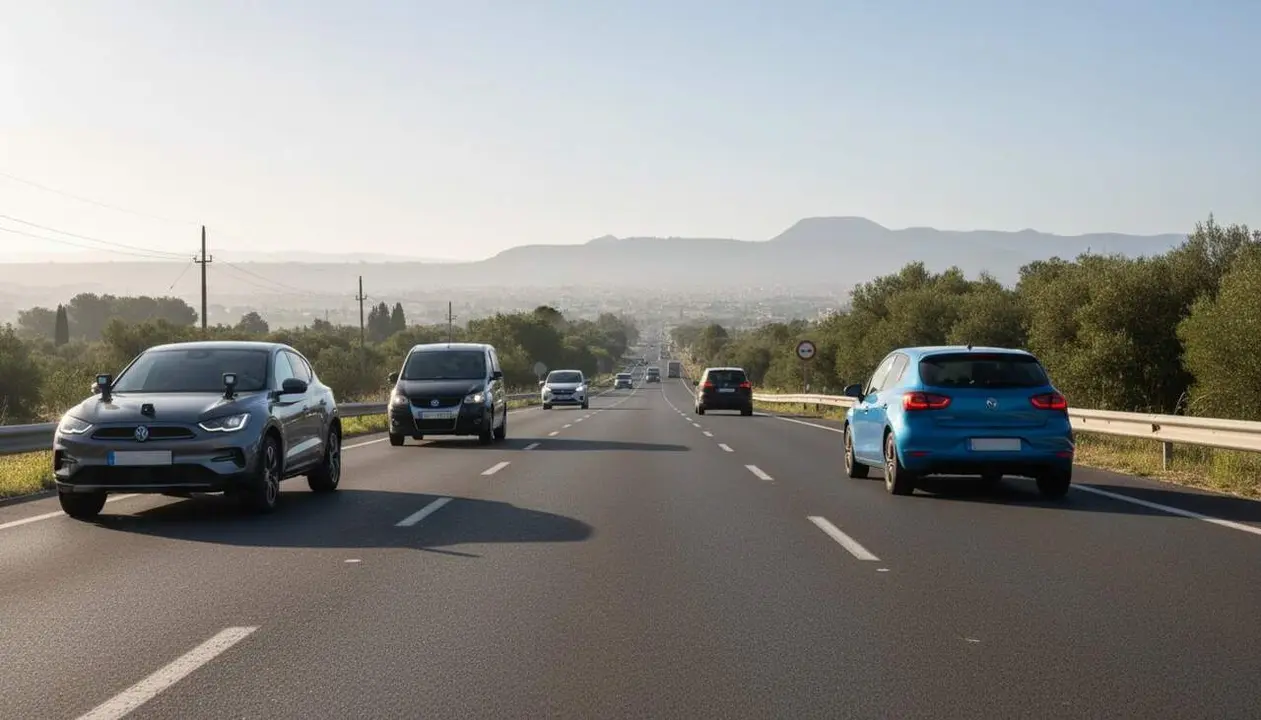

Starting July 7, all new cars registered in Spain must include two key technologies as standard to enhance road safety. The first is a system that detects driver distractions and the second, an automatic emergency braking mechanism that particularly protects the most vulnerable users, such as pedestrians and cyclists.
These measures not only comply with stricter European regulations but also mark a step forward that can reduce accidents caused by inattention or delayed reactions.
What are the new safety requirements for new cars?
What does the advanced distraction warning system (ADDW) do?
The ADDW system operates thanks to cameras and sensors that monitor the driver’s behavior in real time. It detects if you take your eyes off the road, if you use your phone, or show signs of fatigue or loss of attention. In such cases, it issues an immediate alert to prevent the risk from increasing.
How does automatic emergency braking work?
This technology intervenes autonomously when the car detects an imminent risk of collision and the driver does not react in time. It can brake the vehicle to avoid or minimize impact with pedestrians or cyclists, especially in urban environments. It is a technological helping hand that, in fact, acts like a second vigilant driver.
Why do these new features matter to the Spanish driver?
How do these measures affect safety on Spanish roads?
The reality is that distraction behind the wheel is one of the main causes of accidents in Spain. Incorporating ADDW and automatic braking will help reduce the number of accidents caused by driver disconnection or failing to detect vulnerable users in time.
What is the response from experts and the DGT?
According to various specialists, new cars will become an intelligent copilot, an assistant that does not replace but enhances human reaction ability. The DGT views these measures as a necessary step to advance road safety and dramatically reduce victims.
What practical impacts will the new regulation have?
Will drivers have to pay more for these systems?
Manufacturers are already integrating these systems in new models, so it will not be an extra option but a legal requirement to register the vehicle from July 7 onward. This may result in a slight increase in the initial price but with a clear safety benefit.
How will daily driving change with these systems?
These technologies will help reduce distractions and avoid collisions, especially in urban areas and dense traffic. Driving will be safer, but drivers will need to get used to receiving alerts and automatic interventions that, although potentially annoying, save lives.
The new regulation represents a qualitative leap in the safety of vehicles registered in Spain. ADDW systems and automatic emergency braking cease to be options and become basic safety elements. This directly impacts the reduction of accidents caused by distractions and the protection of vulnerable users on the roads.
Drivers will have to adapt to these changes, which actually represent a much-needed evolution for safe mobility. A car that watches the driver and acts when necessary is no longer science fiction. Road safety advances, and so must we.
Frequently Asked Questions
- Which cars are affected by this new regulation?
- All new cars registered in Spain from July 7 onward must comply with these safety requirements.
- What happens if a new car does not include these systems?
- It will not be possible to legally register or drive it if it does not have the mandatory systems, such as ADDW and automatic emergency braking.
- Do these systems replace the driver?
- No, they only offer assistance to reduce risks, but the driver retains control and responsibility at all times.