Only 2 out of 10 Spanish workshops are ready for the electric car: what’s wrong?
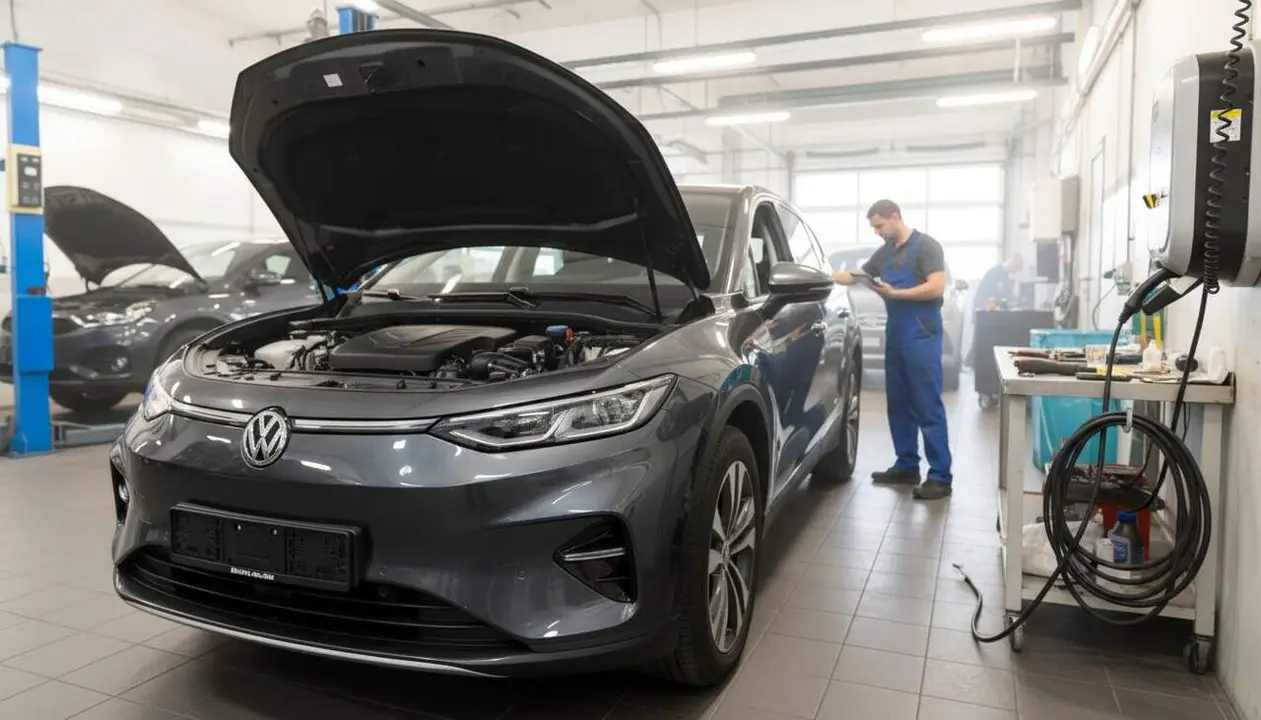

Only 22% of Spanish workshops have charging points for electric vehicles. This data reveals a clear divide in the sector’s preparedness in the face of the unstoppable advance of electric mobility.
But the reality is that most independent workshops are still not prepared to face the challenges involved in maintaining cars that no longer have combustion engines.
Why is workshop preparedness crucial for the driver?
If you have an electric car, you surely don’t want to end up in a workshop that doesn’t even know where to start. 78% of Spanish workshops do not have the facilities or trained staff to work on electric vehicles, a risk that can affect the reliability and safety of repairs.
How is workshop preparedness measured?
One of the most visible indicators is the presence of professional charging points for electric vehicles. Currently, only about 8,800 workshops, out of a total of 40,000, have this equipment which, although it alone does not guarantee repair capacity, is a good barometer of their adaptation.
What prevents more workshops from adapting?
Investment in specific equipment, staff training, and safety measures are significant barriers for independent workshops. Many perceive that the market is not yet ready or that the investment will not be profitable in the short term.
Which workshops dominate the transition and why?
Dealerships and official workshops lead the adaptation to electric mobility. With 96% of dealerships equipped with charging points and 72% of workshops in secondary networks, they leave independent workshops far behind.
What is the difference between official and independent workshops?
Independent workshops with no affiliation to any network have only 14% equipment with charging points. This creates a gap of 82 percentage points compared to dealerships, which not only have better infrastructure but also access to specialized training and adapted protocols.
Why will dealerships invest sooner?
Because their survival directly depends on maintaining service for their manufacturers’ vehicles. Additionally, dealerships have the financial and technical support needed to face the renewal of facilities and ongoing training.
How does this situation affect the future of workshops and electric mobility?
The divide between official and independent workshops may end up creating a fragmented market where electric car drivers have fewer options or pay more to maintain their vehicles. Furthermore, it hinders the widespread adoption of electric cars if there is no broad and prepared repair network.
What should the sector do to recover lost ground?
Investing in training and specialized equipment, as well as in safety for working with high voltage, is key. It would also be necessary to promote collaboration between workshops to share knowledge and resources.
When can we expect a real change?
Experts point out that this process is slow but unstoppable. With the growing sales of electric vehicles in Spain, the pressure to adapt will become greater, especially from 2028-2030 onwards.
The reality is that the transition to the electric car is opening an increasingly large gap among Spanish workshops, and only one in five is truly prepared to face it. This situation calls for urgent reflection on how to guarantee an efficient and accessible service network throughout the territory.
Frequently Asked Questions
- How many workshops in Spain have charging points for electric cars?
- Only 22% of Spanish workshops have professional charging points for electric vehicles.
- Do charging points guarantee that a workshop can repair electric cars?
- No. The presence of charging points is an indicator, but actual capacity also depends on staff training and specific high-voltage equipment.
- What difference is there between official and independent workshops in this adaptation?
- Dealerships and official workshops are much better prepared, with 96% and 72% respectively, while only 14% of independent workshops without a network have this equipment.