Juanjo Jiménez: why changing the oil every 10,000 km is no longer the norm
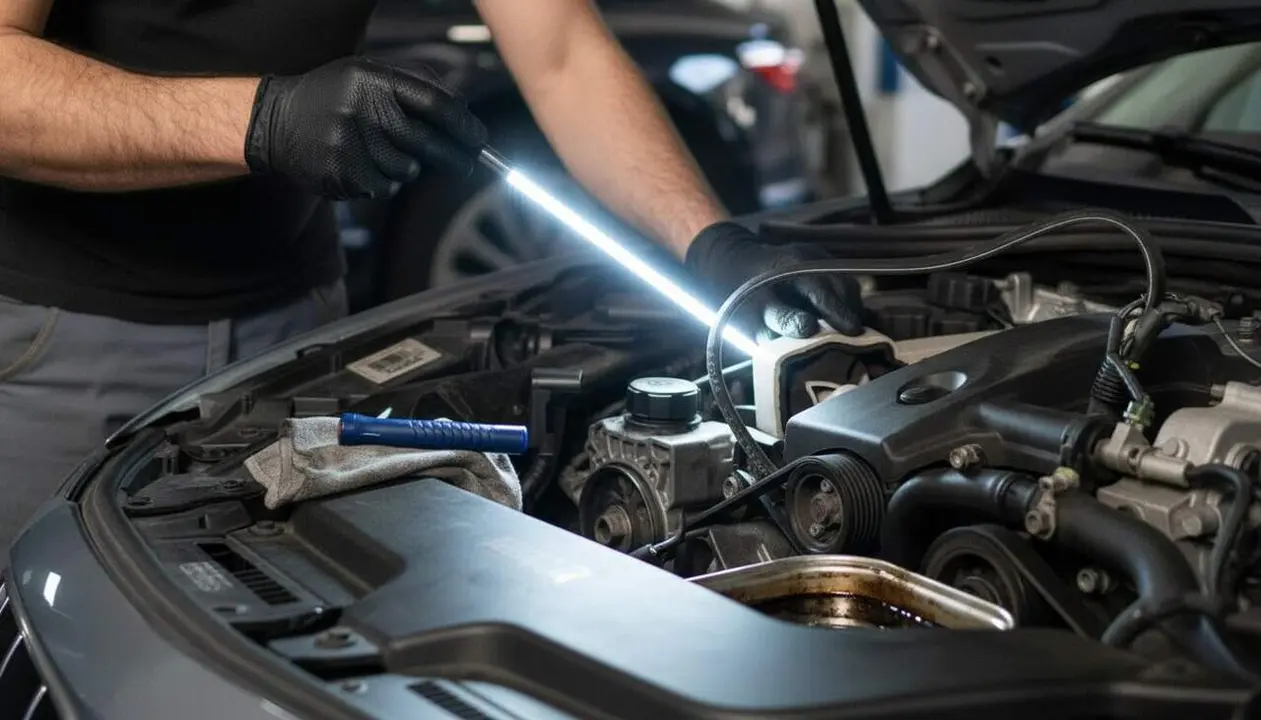

Oil changes in the engine have evolved a lot, but there are still doubts that generate debate. Juanjo Jiménez, an expert mechanic, assures that oil was changed every 10,000 km before, but now the reality is different and he has his own theory.
The issue is not only technical but also commercial, and it directly affects your car’s health. Do you want to know why this change and if you really have to follow the traditional guideline?
How the oil change interval has changed according to Juanjo Jiménez
For the reader who takes care of their vehicle, understanding maintenance changes is key to not making mistakes that the engine will pay for. Juanjo Jiménez explains that the oil from before and now have nothing to do with each other.
What differentiates the oil from before and now?
Modern synthetic oils tolerate much higher temperatures and maintain their properties for more kilometers. This allows extending the changes even up to 30,000 km, whereas before 10,000 was the norm.
How do modern engines affect the oil interval?
Today’s engines have more precise injection and electronic management systems, with stricter mechanical tolerances. This reduces wear and allows the oil to last longer without losing effectiveness.
Juanjo Jiménez’s own theory about oil changes and commercial strategies
Why is this evolution not only technical? According to Jiménez, brands also benefit by reducing maintenance in the first years. This is advertising that facilitates sales and generates fewer visits to the workshop.
Why do brands extend the oil change periods?
The European trend of making cleaner cars requires the use of more resistant oils, but also brands see a commercial advantage in offering less maintenance.
How can the engine be protected according to the mechanic?
Although he recommends following the manufacturer’s guidelines, Juanjo Jiménez maintains the practice of changing oil every 10,000 km or once a year to avoid wear. His experience says this extends the engine’s life.
The consequences of delaying the oil change in car maintenance
For any driver, understanding what happens when oil changes are extended too long is vital to avoid surprises at the workshop. Jiménez warns that wear and problems from poor lubrication are the engine’s biggest enemies.
What problems can arise from not changing the oil on time?
Premature wear, overheating, and even serious breakdowns. Modern engines resist better, but they are not infallible.
When is it advisable to change the oil to avoid risks?
According to the mechanic, the best practice is to respect the interval of 10,000 km or one year, even though technology allows extending it. This way, unexpected problems are avoided and the vehicle’s useful life is extended.
The reality is that, despite advances in oils and mechanics, the decision on when to change the oil directly affects the engine’s performance and durability. Juanjo Jiménez, with more than 20 years of experience, defends maintaining caution and not being carried away solely by brand marketing.
Frequently Asked Questions
- Why was oil changed every 10,000 kilometers before?
- Because older oils had less resistance to wear and the engine needed more frequent lubrication to avoid breakdowns.
- Do synthetic oils really allow extending change intervals?
- Yes, current synthetic oils last longer and withstand higher temperatures better, but it is not always advisable to extend changes to the maximum.
- What is the best recommended practice for changing oil?
- Following the manufacturer’s guidelines is key, but many mechanics like Juanjo Jiménez recommend changing oil every 10,000 km or once a year to prevent wear.