Elon Musk halts Tesla and invests 25 billion in Optimus robot
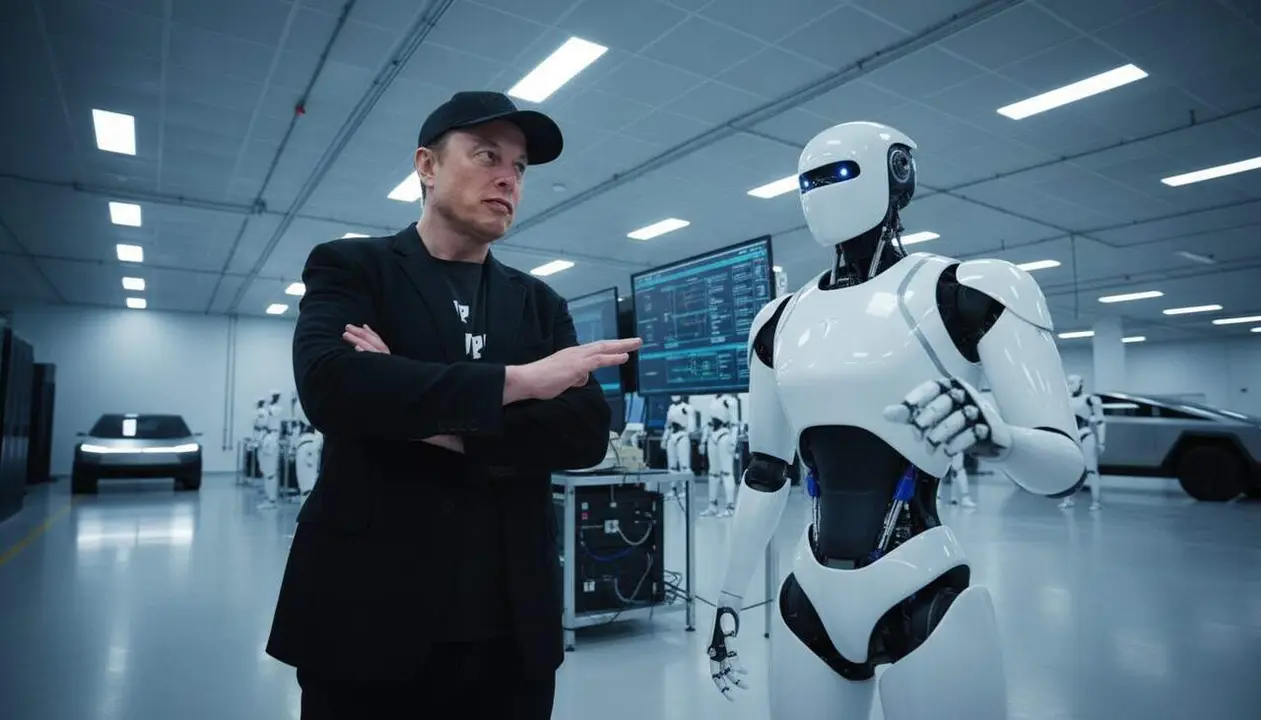

The future of Tesla is no longer just about wheels. Elon Musk has made it clear that the big bet for 2026 is not electric cars, but a humanoid robot called Optimus. This machine, which looks like it came out of a science fiction movie, could become the biggest product in the company's history, according to his own words.
But how did we get here? Tesla has announced a spectacular investment of 25 billion dollars for next year, nearly tripling the 8.5 billion spent in 2025. This millennial expenditure is no accident: it is aimed at strengthening projects such as Optimus, robotaxis, Cybercab, and battery production.
From cars to robots: Tesla’s strategic shift
Abandoning classic models to make way for the future
One of the most visible signs of this change is the end of production of the Model S and Model X. Tesla has decided to park these iconic vehicles to free up industrial space and resources for robotics and AI projects, especially Optimus.
This decision reflects that the car is no longer the ultimate goal for Tesla and is now just a piece within a larger ecosystem where physical intelligence and robotics play a key role.
Optimus as a symbol of the new era
The humanoid robot combines artificial intelligence, chips, and industrial automation. Tesla plans to start production in Fremont this year, with a substantial increase in manufacturing expected by 2027. Musk, however, keeps the details of the more advanced versions secret to prevent competition from copying his advances.
Thus, Optimus is not just a robot: it is the card Tesla wants to play to redefine itself as a company beyond electric vehicles.
The challenges and uncertainties of the Optimus project
A bet with a very high cost
The new strategy is not without risks. Reuters points out that Tesla faces a very demanding test to prove it can successfully implement this industrial shift, as neither robotaxis nor Optimus have generated massive revenues so far.
Investors, while supporting Musk’s ambition, are beginning to feel the pressure of greater spending and industrial risk, waiting for these projects to materialize into real results.
The future at stake: between hope and skepticism
If Optimus works, Musk will be able to boast of having transformed Tesla into a company that goes beyond the electric car. But if it doesn’t, he risks having diverted billions toward a promise yet to be proven.
The reality is that Tesla is selling more of an idea of the future than just a range of automobiles, and the world is watching to see if this bet will pay off.
Tesla’s vision according to experts and the market
Quotes from leaders and analysts
A spokesperson from the DGT of the automotive sector commented that Tesla’s investment breaks molds in the traditional industry, while a financial analyst recently described Musk’s strategy as bold but full of unknowns.
The independent mechanical community is also watching closely how the project develops, especially the integration of robotics with battery production and supply chain management.
Impact on the sector and mobility
Tesla’s move makes other manufacturers think twice before focusing only on electric cars. The combination of AI and robotics could change how we understand mobility and industry.
Meanwhile, drivers on the AP-7 and N-340 wonder whether this technological future will arrive before summer traffic jams become history.
The reality is that Tesla’s future no longer travels only on the road but perhaps on a walking robot.
Tesla’s new course, with an investment exceeding 25 billion dollars, marks a before and after in the industry. Elon Musk has placed his biggest bet on Optimus, a robot that could become the icon of an era where robotics and artificial intelligence are the true engine. This decision involves enormous risks and a radical transformation, but if the project succeeds, Tesla will not just be an electric car manufacturer but a total technological powerhouse.