Changes to car license plates from July 2026

The changes to car license plates in Spain starting July 1, 2026 are not just a simple bureaucratic procedure, but reflect a rather aging vehicle fleet, according to the Directorate General of Traffic (DGT) itself. Although it is now common to see license plates starting with the letter "N," there are still many vehicles with older letters like "H" or "J," indicating the actual age of the car. This reality is key for anyone considering buying a second-hand car.
But what exactly does this license plate change mean? It means that from July, the first plates with the combination "NNY" will begin to appear, evolving up to "NPW." It is no coincidence that this change coincides with one of the months when the most cars are sold in our country: June and July are peak seasons for vehicle purchases.
What does the new license plate regulation imply?
If you are one of those who pay attention to license plates to know a car’s age, this change will affect you more than you think. The DGT has confirmed that the new letter series will start with "NN" and will progress based on the demand for registrations. This means that new or re-registered vehicles will carry this new combination.
How does this affect drivers and buyers?
For drivers, knowing the year of registration is essential to assess the true condition of the vehicle, especially when buying a second-hand car. A vehicle registered many years ago may have wear on components such as tires or the timing belt.
The challenge is not to be deceived by re-registrations that aim to give the impression that the car is newer than it really is. To avoid this, the DGT provides free basic reports on the date of first registration, also accessible through the miDGT app.
What risks are there if the license plate is not in order?
A dirty, illegible, or manipulated license plate can result in fines of up to 200 euros. In addition, having an expired or faulty ITV (technical inspection) can lead to additional penalties. That is why the DGT reminds drivers to always check that the license plate is in order and to consult online if there are any pending fines associated with the vehicle.
How has the registration system evolved in Spain?
Why is the current system like this?
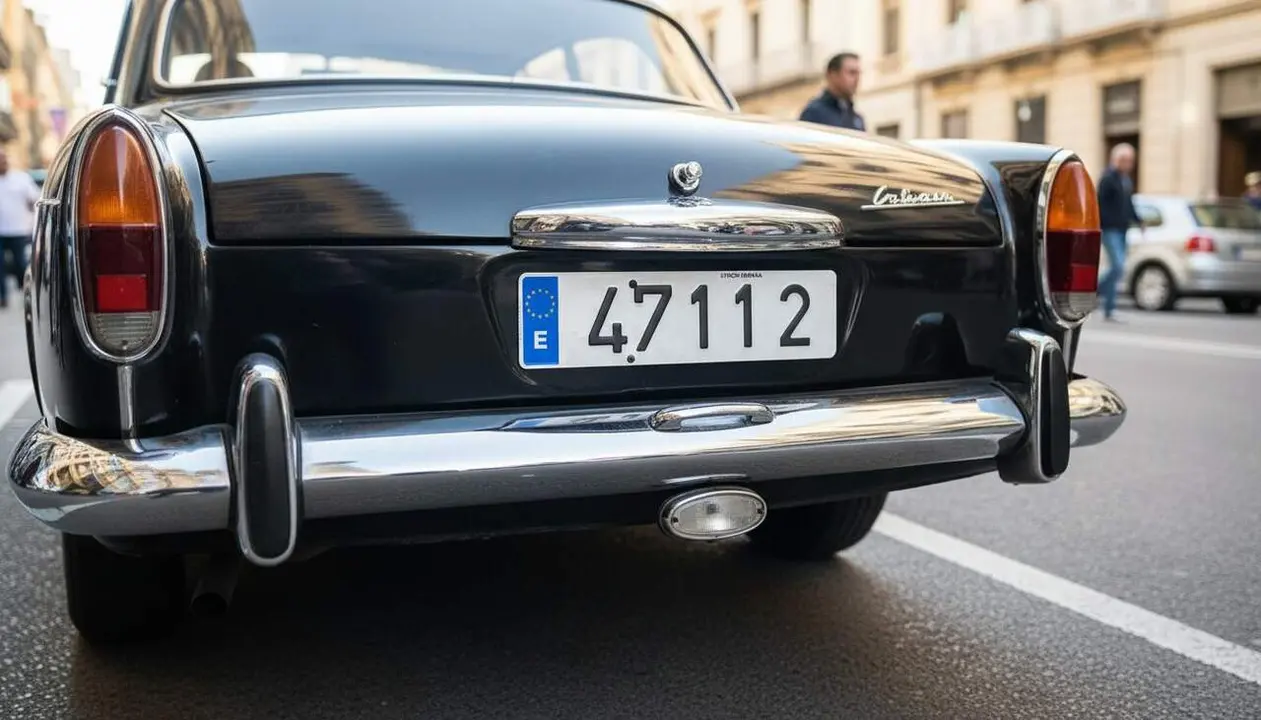
Since 2000, new cars have had license plates in the European format: the letter "E" for Spain and the European Union symbol. This has made it increasingly uncommon to re-register a vehicle. Most old cars still retain the license plate with the province, a system that has become obsolete but can still be seen on many vehicles.
What happens with re-registered cars?
Re-registration is a process that can cause some confusion: some vehicles are re-registered to appear in better condition or less used. For this reason, the DGT insists that the best option is to consult the real date of first registration through official reports. This avoids surprises and complicates scams that some unscrupulous sellers might attempt.
What DGT novelties will affect registration from 2026?
What are the new letters we will see on license plates?
The DGT has confirmed that from July 2026 new plates will start with "NNY" and may reach up to "NPW." This change responds to the need to continue assigning unique combinations given the increase in registered vehicles. These new codes will be seen mostly during the summer, coinciding with a sales peak.
What importance does this have for mobility and traffic in Spain?
This license plate change is not just another chapter in the history of the automotive industry but serves to better control the vehicle fleet and its age. The DGT has long warned that the fleet is old, which affects safety, pollution, and mobility. With these measures, the goal is to facilitate vehicle and sanction management, as well as encourage the gradual renewal of the fleet.
All this makes it essential that drivers know their license plates well and stay up to date with regulations to avoid fines and unexpected problems.
The reality is that the new plates with "NNY" and "NPW" will be a regular part of our daily lives starting July 2026. Stay alert if you plan to buy a second-hand vehicle or want to avoid fines for a license plate in poor condition. The DGT has already set up the mechanisms to inform you and facilitate these procedures.