5 reasons why Nemo Reporter has just slammed plug-in hybrids
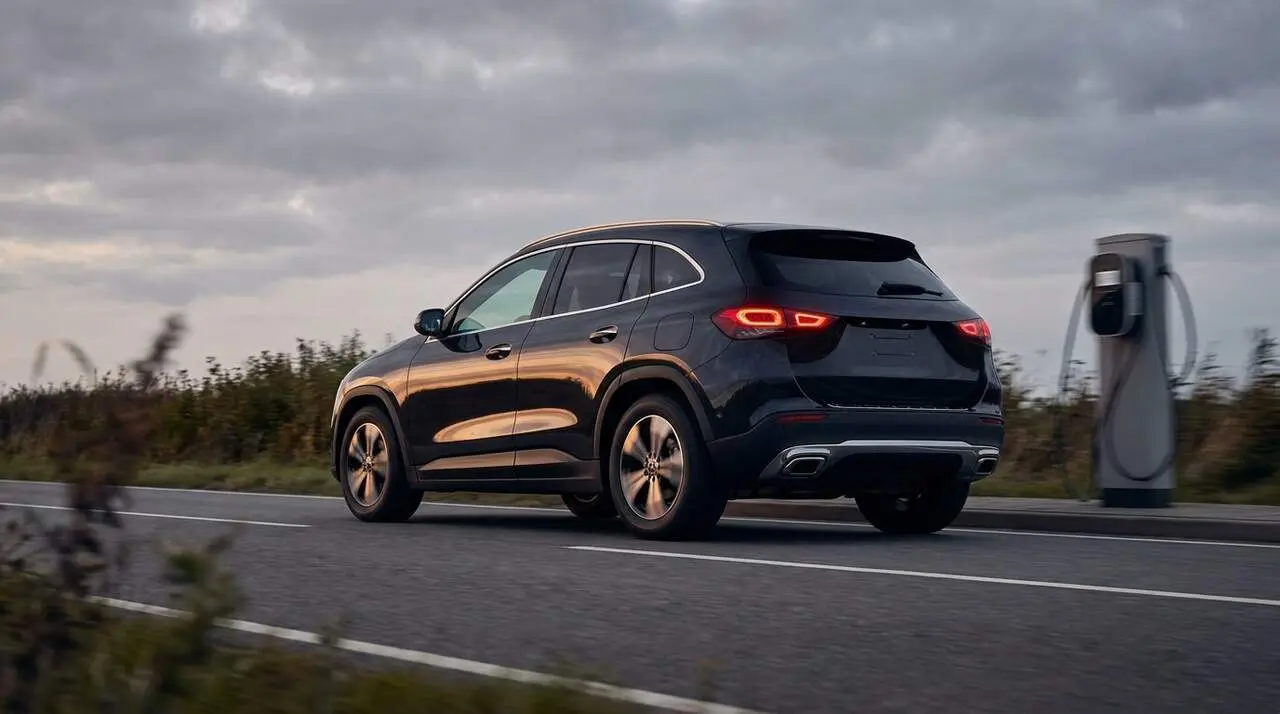

Plug-in hybrids offer electric and combustion advantages, but they also accumulate drawbacks. Nemo Reporter (content creator) has summarized the criticism in a sharp phrase circulating among drivers and workshops: “You get all the good of an electric and a combustion engine, but also all the bad.” Plug-in hybrid and Nemo Reporter are, therefore, the words explaining the controversy.
For the reader who wants to save and avoid getting stuck with repairs, this discussion matters. Daniel Ceped (journalist, 08/31/2026) captures the critical line: more components = more potential failures. If you intend to renew your car, you should read this carefully.
Why Nemo Reporter criticizes plug-in hybrids
Because they affect the owner's confidence and long-term operating costs. This matters to the local reader who makes periodic kilometers on the N-340 or suffers queues on the AP-7: a less reliable vehicle can leave you stranded when you least expect it. It seems like a great idea on paper, but in practice...
What does Nemo Reporter say and why?
Nemo Reporter explains that they are “two cars in one” and that this multiplies the parts susceptible to failure. The original quote (Nemo Reporter, 08/31/2026) appears as a clear warning: turbo, inverter, battery, management electronics... all can add up to breakdowns.
Why does this matter for a typical buyer?
Because the bill and worry increase over the years. If you buy a plug-in hybrid expecting immediate savings—and you don’t drive enough km in electric mode—the price difference compared to a non-plug-in hybrid can cost you the decision.
What technical and economic risks are at stake
The risks are not just mechanical: there is also long-term profitability. Several studies mentioned in the article point to more parts and less reliability, a combination that affects workshops, residual value, and owner peace of mind.
What are the most common mechanical problems?
Failing turbo, degrading battery, and complex electronics. This means more frequent visits to the ITV and the workshop, and parts that can be costly. According to the report, it is not unusual for a plug-in hybrid to accumulate failures related to both technologies.
How does this affect the real cost of the car?
The initial extra cost and maintenance can undermine the expected savings. Nemo Reporter and the information collected by Daniel Ceped indicate that if you don’t drive many electric kilometers, the price difference between a used non-plug-in hybrid and a new plug-in hybrid can make the purchase unviable as a saving option.
How to choose between Plug-in Hybrid, Electric, or Non-Plug-in Hybrid
The choice depends on your real driving habits and charging access. For the city reader with constant home charging, an electric or perhaps a plug-in hybrid might be worthwhile; for those who make long interurban routes, a non-plug-in hybrid or an efficient gasoline car can be more practical.
What question should you ask yourself before buying?
Do you drive enough kilometers in electric mode to justify the investment? Short answer: if you don’t have regular charging at home or most journeys are on highways, the answer tends to be no.
What practical criteria does it recommend considering?
Purchase price, maintenance cost, real electric range, and reported reliability. Review the failure history of the model you are interested in and ask your trusted workshop about parts like turbos and batteries: a simple consultation can avoid expensive surprises.
| Vehicle Type | Advantages | Risks |
|---|---|---|
| Plug-in Hybrid | Savings on urban trips if you charge | More components, more possible failures |
| Non-Plug-in Hybrid | Greater mechanical simplicity, less maintenance | Less electric range, moderate consumption |
| Electric | Looking for zero emissions and less maintenance | Dependence on charging network and range |
A practical recommendation: test the model, ask about real cases in workshops, and calculate the total cost of ownership with real driving days. Nemo Reporter has already warned; now it’s up to you to confirm if it fits your life.
The reality is that Nemo Reporter’s phrase is not a headline filled with hot air: * plug-in hybrids combine technologies and, therefore, combine potential problems. If you seek simplicity, it is advisable to consider alternatives. Plug-in Hybrid and Nemo Reporter continue to center the conversation among drivers, workshops, and cautious buyers.
The final reflection is clear: assess your real use, total cost, and recorded reliability. If you drive many kilometers in electric mode with easy home charging, a plug-in hybrid can make sense; if not, opt for an electric with large range or a less complex non-plug-in hybrid. Nemo Reporter has put the question on the table; the answer depends on you.
Frequently Asked Questions
- What is a plug-in hybrid?
- A vehicle that combines a combustion engine with an electric motor and a battery rechargeable externally. It allows driving in electric mode for short distances and using combustion for long trips.
- Is it worth buying one if I don’t have a charging spot at home?
- Only if you make many trips with access to public charging or prioritize other advantages; sometimes a non-plug-in hybrid is more practical and reliable.
- How can I estimate the real cost before buying?
- Calculate purchase price, average consumption according to your use, maintenance cost, and residual value. Ask your workshop about reported problems of the specific model.