3 dilemmas for the Bultaco fan: the Rally GT 300 has just returned to €3,999 and it's Chinese
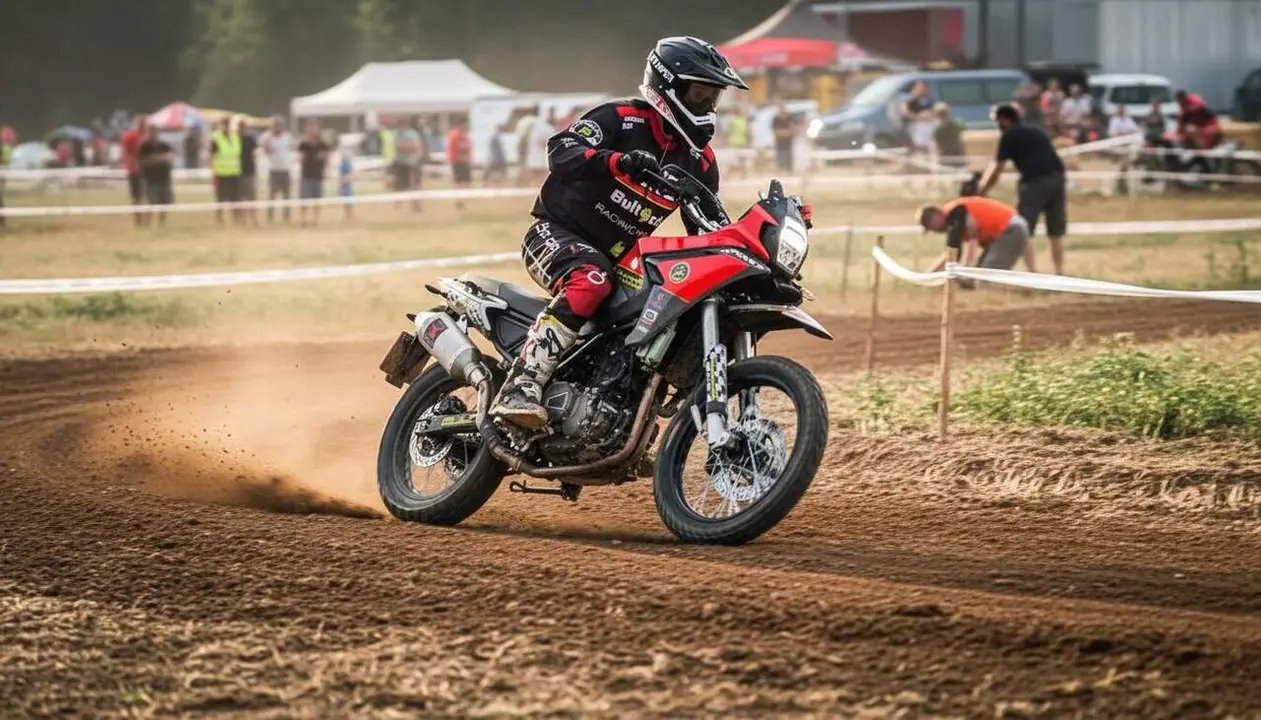

Yes: Bultaco returns with the Rally GT 300, a motorcycle designed and manufactured in China powered by Leonart Motors. This comeback involves a **28 HP motorcycle**, **150 kg** and a price of **3,999 €**, suitable for an **A2 license**; the reality is that the historic brand arrives with very pragmatic formulas.
The news, explained by **Ferran Vital (08/17/2026)** and the operation documents, has shaken the sector: there are those who applaud the survival of the name and those who criticize it for straying from the original competitive spirit. Want to know where the catch is?
Bultaco, Leonart, and the Chinese formula
⛽ Combined consumption: data not provided
💶 Starting price: 3,999 €
🏁 0–100 km/h: data not provided
Why does this matter to the A2 buyer?
For the buyer with an A2 license, the proposal is clear: a light, equipped, and affordable trail bike that can be purchased starting in September. This matters because it offers access to a motorcycle with an 'adventure' look and modern technology without requiring large resources.
What exactly has been done with the model?
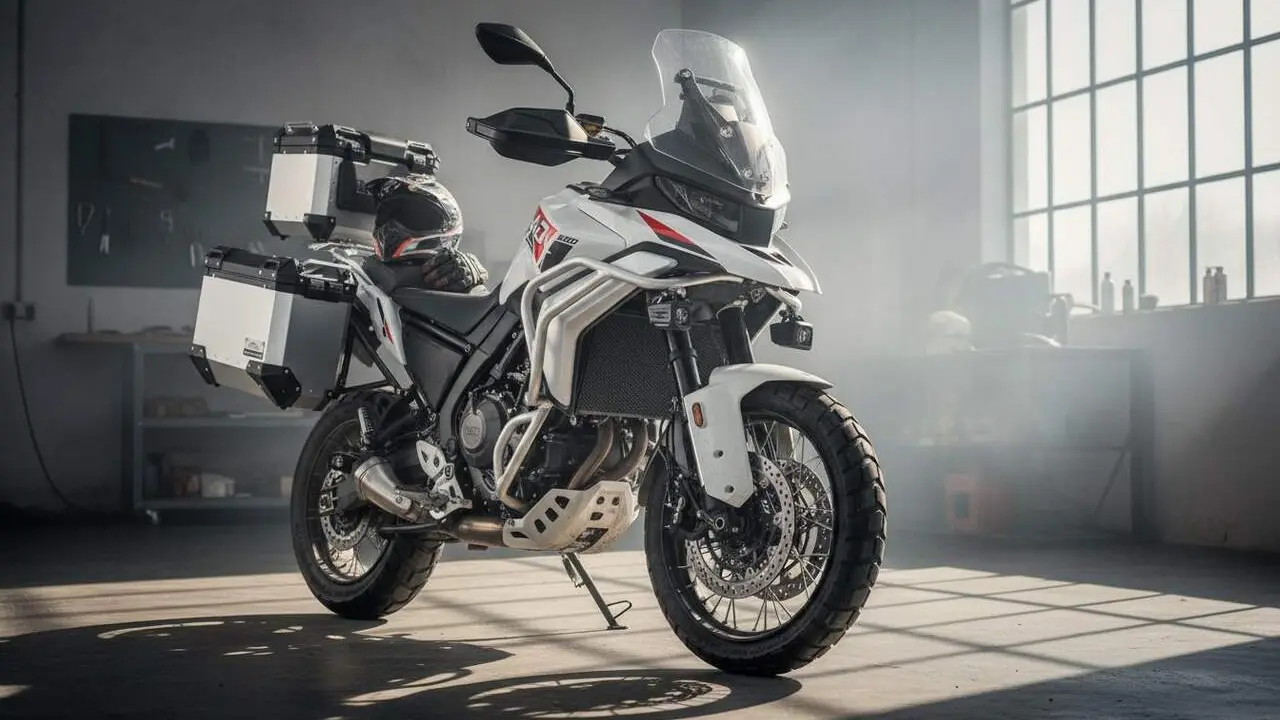
The Rally GT 300 is not an original creation: it is the Chinese Chongqing Andes UT 3.5 Rally rebranded and adapted by **Bultaco Next SL** and **Leonart Motors**, with aesthetic changes (logos and stickers) and specifications agreed upon with the Bultaco Racing team. It adds a 5-inch TFT screen, front dashcam, and LED headlights.
Heritage, image, and community reactions
Why does it bother the followers?
The reaction is both emotional and rational: the classic Bultaco was synonymous with innovation in competition, as with the Sherpa T. Now the name is revived through a Chinese model, and this causes many fans to feel the original DNA has been diluted.
How does the new management defend itself?
The promoters, from Mataró, explain that the way is practical: founding a subsidiary (Bultaco Next SL) to manage the rights and relaunch the name without assuming massive development costs. This allows putting the Bultaco logo on a competitively priced and daily use equipped motorcycle.
Commercial impact and what it means for the market
What does it represent for the low-cost trail motorcycle market?
At a commercial level, it is a classic move: leveraging an existing product (Chongqing Andes UT 3.5 Rally) and positioning it with a brand that has history. This can open quick sales due to price (3,999 €) and equipment, but can encounter limits in long-term quality perception.
What risks does it have for the brand and the buyer?
Brand risk: losing the prestige associated with innovation in competition. Buyer risk: receiving a product that, however well equipped, does not share the technical genealogy of classic Bultacos (the Sherpa T, remember?). The solution is transparency about the origin and components (and a solid warranty).
Historical parallels and context
Brief but relevant history: the original Bultaco (founded by Paco Bultó in 1953 in Sant Adrià de Besòs) triumphed through competition and innovations like the Sherpa T. A previous comeback attempt (Bultaco Motors, 2014) with electric models like the Brinco ended in 2019 with the company's closure.
There is a bittersweet taste in seeing the name resurrected with such industrial formulas. The remaining question is whether this move will be the first step of a serious recovery or just a way to monetize an icon.
Operationally, the new Bultaco will go on sale starting in September and will be available in **black**, **black and red**, or **black and orange**; the bike includes a **5" TFT screen**, **front dashcam**, and **LED headlights**, details that weigh as much as the name for many young buyers.
Economic and strategic context: the formula of reusing Chinese products to relaunch European brands is not new (see similar cases in other sectors), but here it clashes with a legacy many consider sacred.
According to author **Ferran Vital (08/17/2026)**, the maneuver is consistent with Leonart's capacity to collaborate with Asian manufacturers; the difference now is that the logo is not from a new company, but from a legendary brand that arouses passion.
If you are a rider with an **A2 license**, the decision will be practical: you have a light, equipped, and cheap trail bike; if you are a purist, it will be hard to accept that the new Bultaco is not an original work of sporty and revolutionary nature like the Sherpa.
The reality is that the resurrection of Bultaco with the Rally GT 300 marks a clear commercial strategy: survival of the name in exchange for an efficient industrial bet. In the short term it may work for sales and visibility; in the long term, the question will be whether **Bultaco Next SL** and **Leonart Motors** want to invest in models that return to the competitive essence of **Paco Bultó** or if they maintain this rebranding route. What do you prefer, authenticity or immediate access?
Frequently Asked Questions
- Can the Bultaco Rally GT 300 be ridden with an A2 license?
- Yes. The new Rally GT 300 is designed to be accessible with an **A2 license**; it has **28 HP** and weighs **150 kg**, according to the launch information.
- Where is the new Bultaco manufactured?
- The motorcycle is designed and manufactured in China; it is the Chongqing Andes UT 3.5 Rally adapted and marketed by **Bultaco Next SL** with the support of **Leonart Motors**.
- How much will the Bultaco Rally GT 300 cost?
- The announced starting price is **3,999 €**; it will be on sale starting in September and includes features like a TFT screen and dashcam.