3 warnings from Enrique Álvarez (Talleres Piba): he just said why having a car will be only for the rich
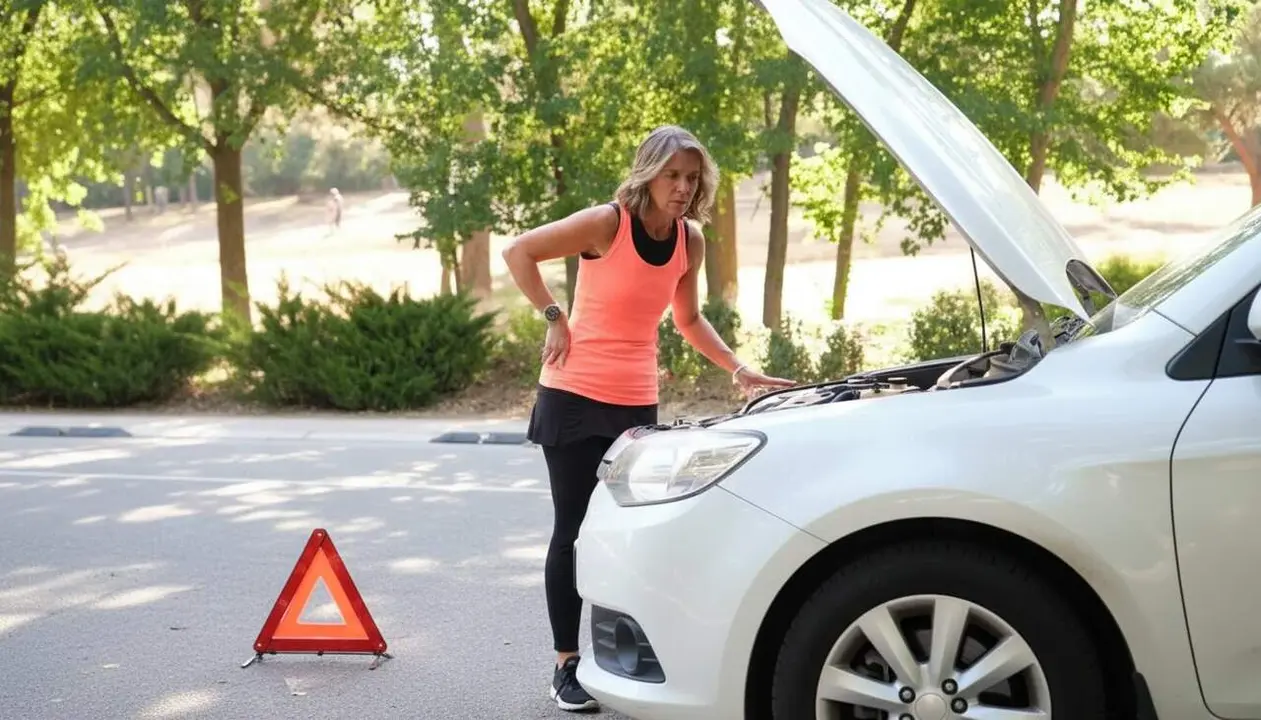

Yes: Enrique Álvarez, from Talleres Piba, says that maintenance is rising sharply and that this affects the purchasing power of ordinary people. The sentence is not an easy headline; it is the voice of a mechanic who lives every day with the figure of the invoice. €80 that are now €480 is not a math error, it is the reality that brought a client to the workshop with a vehicle with just over 89,000 km.
Enrique Álvarez and Talleres Piba repeat the same concern on camera and behind the scenes: cheaper parts, rising repairs. What does this mean for those who pay the mortgage and still can afford it? Right now, many people are realizing this when they open the invoice.
Why the message from Enrique Álvarez and Talleres Piba affects us
This matters to the reader because almost all of us drive and pay for maintenance. If a part that used to cost €80 now requires replacing an entire control unit for €480, the household budget is shaken. This is not a technical anecdote; it is an economic problem that comes into people’s kitchens.
How has the policy for spare parts changed?
The industry is imposing complete solutions instead of independent parts. This forces the replacement of entire units (for example, control units), whereas previously only the airbag reel could be replaced. The result is a noticeably higher bill.
Why does this news interest ordinary people?
Because wages do not rise at the pace of these invoices. When the repair cost becomes recurrent (€500 each time a similar breakdown appears), the vehicle stops being a practical asset and becomes an unpredictable and heavy expense for families with average incomes.
What concrete examples does Talleres Piba offer
The case of the reel/airbag is at the center of Enrique Álvarez’s complaint. A car with a J license plate and about 89,000 km showed a broken airbag ring: the part used to cost €80, today the technical solution required involves replacing the control unit for €480.
What exactly happened with this vehicle?
The problem was the breakage of internal cables due to steering wheel use. Previously only the reel was replaced; now, according to Talleres Piba, the manufacturer supplies the solution that forces replacing more components and increases the cost of the intervention.
Which other parts have worsened?
Bolts and basic materials have lost quality, according to the mechanic. Álvarez explains that the heads of the screws deform easily and many parts have become single-use, with a significantly shorter lifespan compared to decades ago.
What are the proposals and the sector’s response (as seen by Talleres Piba)
Enrique Álvarez’s message is clear: a collective reaction is needed. The video ends with a warning that sounds like a call: if there is no social movement, according to him, “no one will have a car, like in the 60s.” This is more a political metaphor than a numerical prediction, but it serves to put the issue on the table.
What does the mechanic propose as a solution?
Álvarez recommends taking advantage of every intervention to review as much as possible. The practical (and somewhat pragmatic) idea is to use repair time to renew elements that may fail shortly: an integral maintenance view from the workshop.
How does the industry respond to these criticisms?
The industry usually argues safety and electronic integration as reasons to supply complete solutions instead of isolated parts. However, for the average driver, this means a higher bill and less transparency about economical alternatives.
But what can the driver do right now? First: ask for detailed quotes and inquire if the independent part exists. Second: take the vehicle to trusted workshops where there is transparency. Third: prioritize repairs wisely, because not everything has to be done the same day if it represents an excessive financial blow.
The outlook is clear for Talleres Piba and Enrique Álvarez: more expensive repairs, lower quality parts, and recurring bills. This can turn the car into an exclusive asset if there are no changes. If you have paid €40,000 for a car and face €500 breakdowns often, the model becomes unsustainable for many people.
Final reflection: The reality is that Enrique Álvarez’s story (Talleres Piba) forces us to consider how to reorganize mobility and family priorities. Repairs, quality of parts, and prices are the three elements to act upon if we don’t want the car to be only for the rich.
Frequently Asked Questions
- Why does Enrique Álvarez say the car will be only for the rich?
- Because he observes that many repairs become more expensive (for example, a part that was €80 now requires a control unit of €480) and wages do not follow this rising pace.
- Which specific part is discussed in the exposed case?
- It is about the airbag reel or ring: before the part could be replaced for €80, now the imposed technical solution requires replacing the control unit for €480.
- What can a driver do when told they have to replace the entire control unit?
- Request a detailed quote, ask if the independent part exists, seek a second opinion at a trusted workshop, and prioritize repairs according to cost and safety.