3 keys to understanding how a Mercedes‑Benz Sprinter becomes a 14 m² home for four
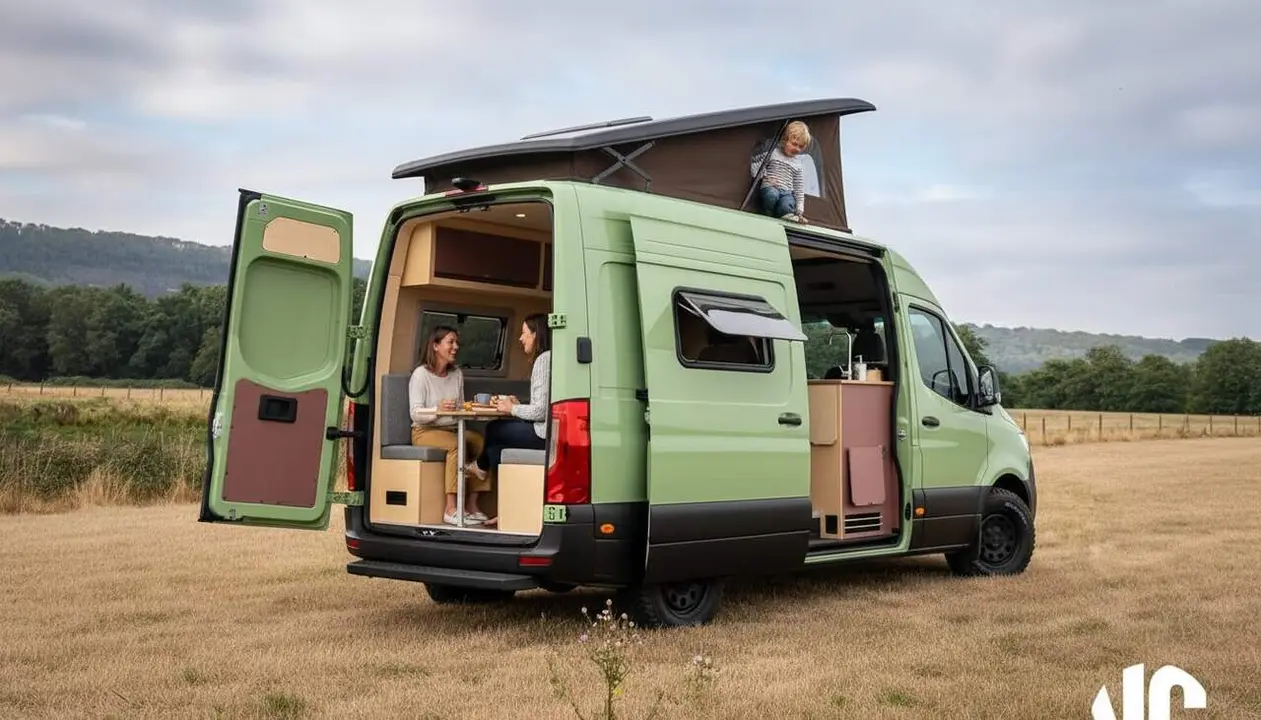

Yes: a Mercedes‑Benz Sprinter has been redesigned to accommodate four people with a bathroom and kitchen. The interior favors natural materials and lighting that make the few square meters seem much larger (and more livable).
There are tensions between the optimism of the design and the practical reality of daily road use: autonomy, storage, and living together in 14 m² are real challenges. VannyCampers signs the transformation on a Sprinter with a 144-inch wheelbase.
Mercedes‑Benz Sprinter: What and Why it Matters
⛽ Combined consumption: Not specified by VannyCampers
💶 Starting price: Not specified for the conversion
🏁 0–100 km/h: Not specified
Why should this interest you?
Because it is not just an aesthetic conversion: transforming a Sprinter into a mobile home changes which trips you can take, how you manage off the grid, and how you experience nature live. If you travel with family or friends, these decisions affect autonomy, comfort, and logistics.
How has the vehicle's identity been maintained?
VannyCampers started from a 2025 Mercedes‑Benz Sprinter with 26,554 km and kept the body structure while adapting internal spaces: swivel seats, a transverse bed, and a pop‑top to gain usable space without altering the mechanical base.
Interior design and layout: trick or sanity?
How do they make the most of the space within 14 m²?
The key is to combine fixed and mobile solutions: a transverse bed at the rear, a bed in the pop‑top, and a removable table that serves as a dining area or outdoor picnic spot. Materials like laminated spruce wood and treated cork flooring add a sense of space and warmth.
What essential spaces are there and how do they work?
Compact kitchen, multifunction bathroom, and internal garage are the three pillars. The kitchen features an 85-liter Vitrifrigo fridge-freezer, a double induction cooktop, and a steel sink; the bathroom has a shower, ventilation, and a Trelino compostable toilet hidden in a specific compartment.
Autonomy and life off the grid
What electrical autonomy does the conversion offer?
The electrical system combines a Fogstar Drift battery of 300Ah and 24V (equivalent to 600Ah at 12V) with 450 W of solar panels and a Victron MultiPlus‑II inverter of 3,000 VA. According to VannyCampers, this provides approximately four days of autonomy if energy is managed with care.
How does this impact daily travel life?
It means less dependence on campsites and more freedom: managing appliance consumption, heating, and lighting becomes a daily task. The seven-inch Savvyvan screen centralizes control, but discipline is required (and a plan for cloudy days).
Practical organization (quick list)
- Approved seats: four with seat belts.
- Beds: one fixed transverse + pop‑top.
- Complete kitchen: 85 L fridge, induction cooktop, sink.
- Bathroom: shower and Trelino compostable toilet.
- Energy: LiFePO4 battery 300Ah, 450 W solar, 3,000 VA inverter.
What compromises must be accepted?
Living together in a small space involves sacrifices: limited closets, close quarters at the table, and strict logistics for clothing and gear. Also, maintenance of the electrical system and planning shading for solar recharging.
Expert opinions and reactions
What does a VannyCampers representative say?
According to VannyCampers, the idea was to offer autonomy and comfort for four people without depending on the grid, maintaining a natural aesthetic with green tones and warm materials. This makes the Sprinter branded as Verity feel more like a nomadic home than a pure van.
What do mechanics and real users say?
An independent mechanic consulted for this article points out that keeping the diesel equipment and not overloading installations is key for reliability. Test users highlight the comfort of the transverse bed and the versatility of the pop‑top, but warn of the organizational effort needed for family travel.
A final (and personal) detail: the sage green paint and green upholstery work well for Instagram photos. But what happens when it rains? The space really feels reduced. So thinking about plan Bs is essential.
The reality is that converting a Mercedes‑Benz Sprinter into a home for four involves technical and coexistence decisions: electrical autonomy, interior layout, and materials are the variables that will determine if life on the road is comfortable or just aesthetic. It is an appealing option for those seeking freedom but requires planning and discipline.
Frequently Asked Questions
- How many days can this Sprinter stay off the grid?
- With the Fogstar 300Ah battery and 450 W panels combination, VannyCampers estimates about four days of autonomy under optimal conditions.
- Does the conversion maintain approved seats for travel?
- Yes: the Verity has four seats with safety belts approved for traveling with seated occupants.
- Is special maintenance required for the battery and panels?
- Periodic inspection of the electrical system, cleaning and orientation of solar panels, and checking inverter connections are necessary to ensure autonomy and safety.