The regions of Tarragona, international epicenter in diabetes research
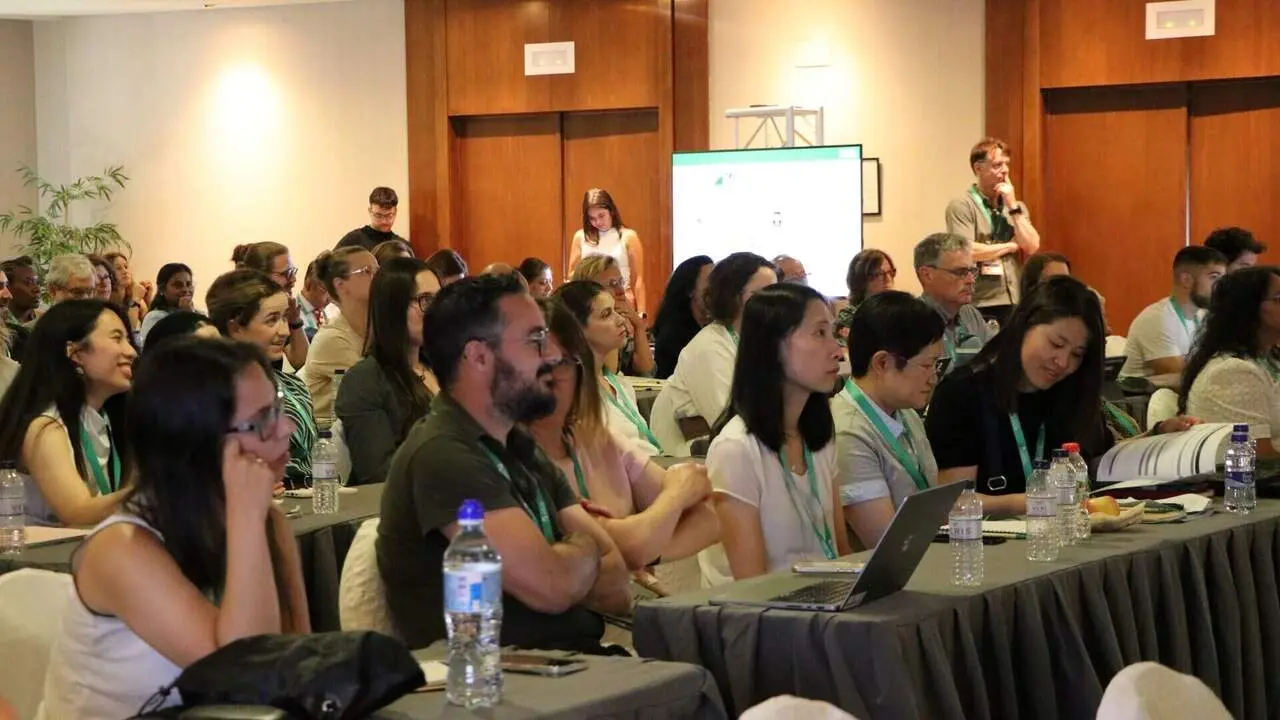

More than 220 international experts have filled Montbrió this week to debate the latest advances in diabetes, nutrition, and metabolic diseases. A stage that turns the province of Tarragona into a key point of global research.
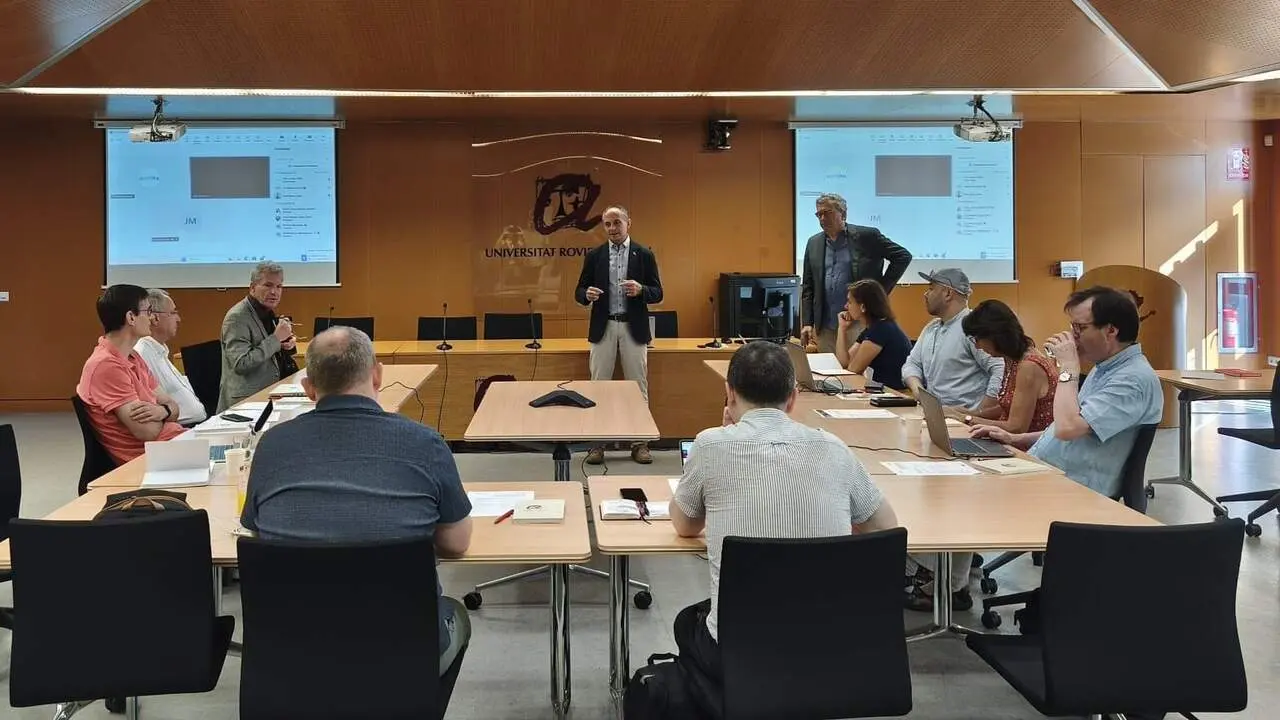
The 43rd International Symposium on Diabetes and Nutrition began this Monday and will run until Thursday, with the presence of professionals from 41 countries. This meeting, organized by the Rovira i Virgili University and IRB CatSud, focuses on the prevention and treatment of these diseases that affect millions of people.
A symposium with more than 40 years of history in Montbrió del Camp
A scientific forum with record attendance
The Diabetes and Nutrition Study Group (DNSG) drives this annual appointment that is a global benchmark in the field of diabetes and nutrition. This year, the congress has broken records with 118 scientific communications, surpassing all previous editions.
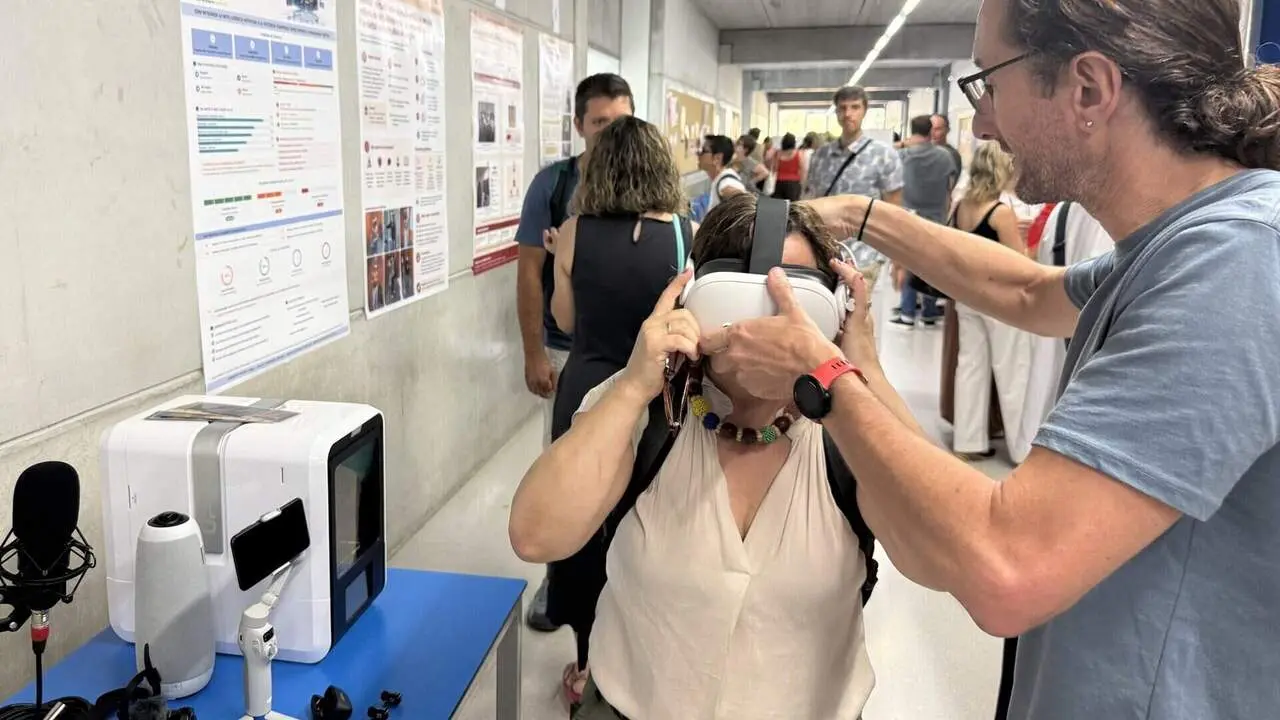
The sessions combine lectures, debates, and presentations addressing topics from the gut microbiota to food sustainability. The involvement of young researchers is key, reinforcing a legacy that already spans four decades.
The role of Tarragona on the international stage
The URV and IRB CatSud lead the local organization, showcasing the work of the Tarragona teams in metabolic diseases. For the first time, a scientific committee made up of Spanish societies in the field strengthens multidisciplinarity and connection with clinical practice.
This edition places Tarragona as a global epicenter, where knowledge is generated and transferred towards more effective prevention and treatment tactics.
The scientific and human value of the meeting in Tarragona
World-class experts with a message for society
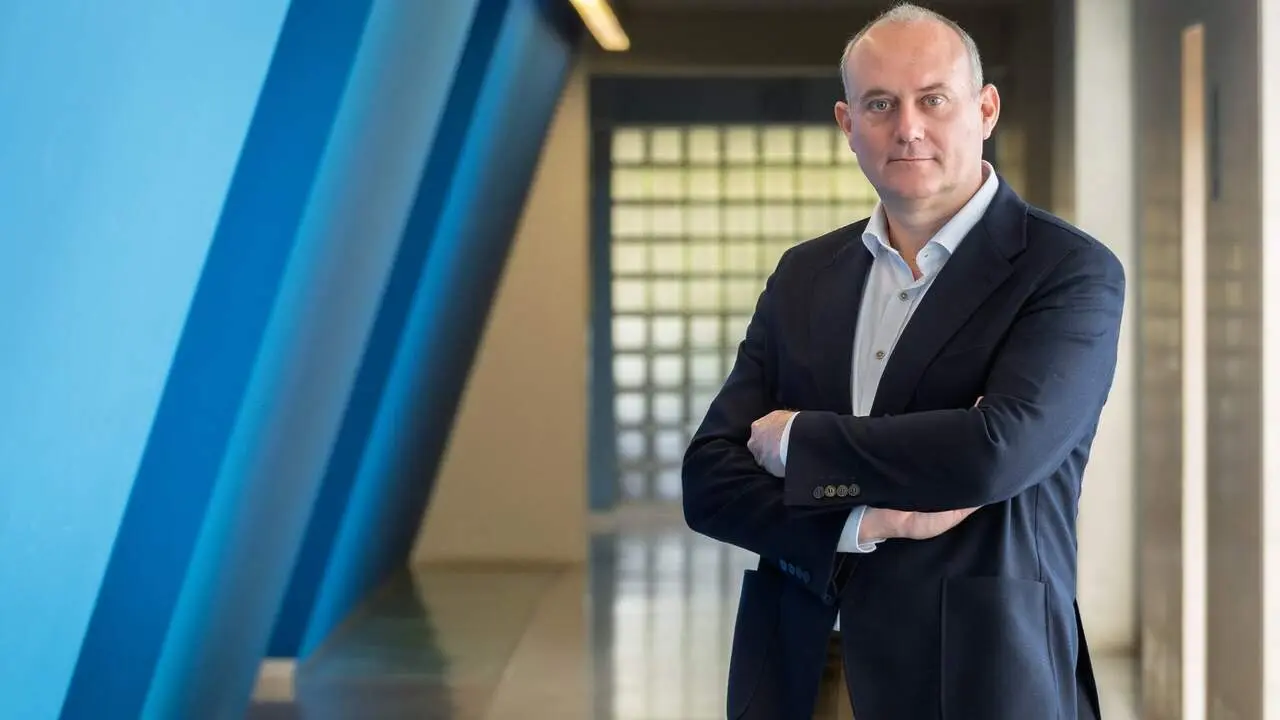
Among the speakers stands out Dr. Frank Hu, from Harvard University, who warns about the loss of popularity of the Mediterranean diet, especially among young people. Hu recalls that this diet is one of the healthiest and that research and policies must go hand in hand to bring it closer to the population.
“It is a space to fill the gap between scientific evidence and change of habits,” he states, valuing that the Camp de Tarragona is the venue for this international debate.
Innovation in research and medical practice
According to Jordi Salas Salvadó, vice president of the symposium, the future lies in nutritional guidelines that update in real time with new scientific data. This agility would help to bring knowledge more quickly to clinical care.
The transfer of knowledge is crucial to improving the lives of patients with diabetes and other metabolic diseases that are a growing problem in the province and everywhere.
Research in Tarragona, a bet that is already international
Collaboration between institutions and global visibility
The symposium not only highlights the work of local researchers but also stimulates international collaborations. This symbiosis makes Tarragona a benchmark in the fight against diabetes and obesity.
The scientific and health institutions of the territory, with the URV at the forefront, take advantage of the occasion to consolidate emerging talent and boost applied research.
A boost for public health and the local economy
Besides the scientific impact, the meeting brings visibility and movement to the province. Debates on health policies and sustainable nutrition open the door to concrete strategies that can benefit public health and the local economic sector.
Montbrió del Camp thus becomes a stage where science is not only done but shared so that it reaches everyone.
A symposium that confirms that Tarragona is much more than a tourist destination: it is a nerve center where global research on diabetes and nutrition has settled to stay.
Source of the article: Rovira i Virgili University