Museum of the Terres de l'Ebre launches immersive reality in archaeological sites
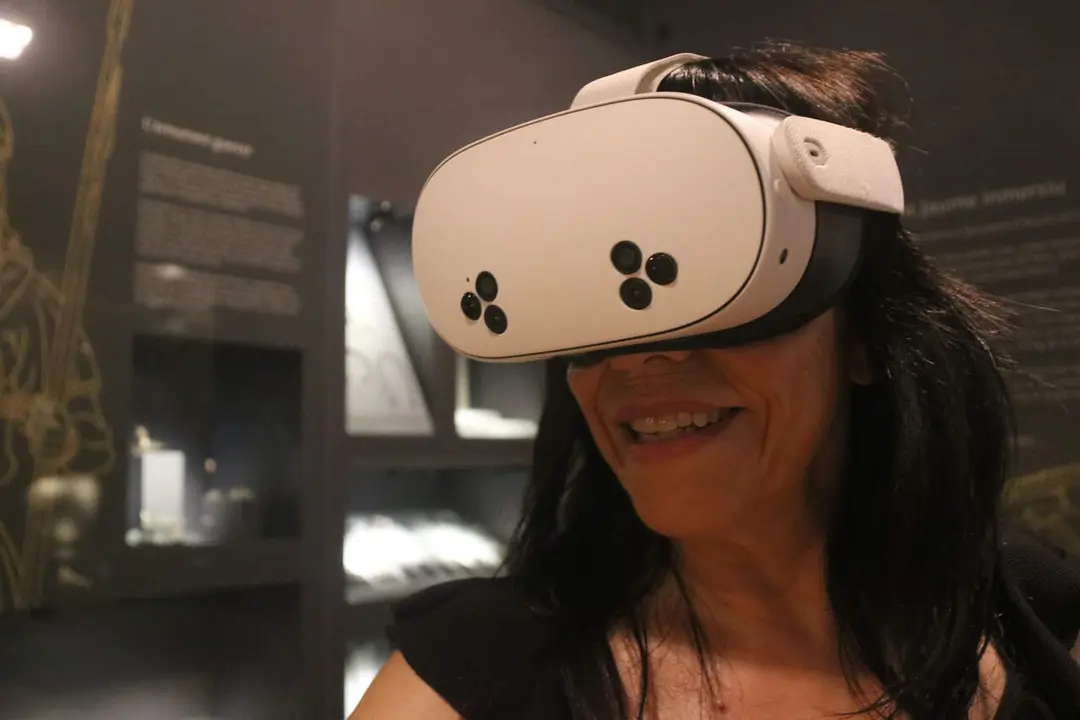

The Museu de les Terres de l'Ebre offers an immersive journey into ancient protohistoric life with a unique virtual reality experience in Catalonia.
With immersive reality glasses, visitors can explore the Sant Jaume d'Alcanar settlement as it was 2,700 years ago, based on excavations by GRAP-UB.
Museu de les Terres de l'Ebre and immersive reality
Why is immersive reality key for the Museum?
Virtual reality transforms the way visitors connect with history, especially younger ones, offering a visual and emotional experience that no book can match.
What is the virtual tour of the Sant Jaume d'Alcanar settlement like?
The experience allows seeing with special glasses the houses, daily life, and natural environment of the pre-Iberian settlement, based on concrete archaeological data.
The GRAP-UB archaeological project
What has the Protohistoric Archaeology Research Group discovered?
For decades, GRAP-UB has been excavating Sant Jaume d'Alcanar, providing detailed information that supports the virtual recreation and expands knowledge of the sites in the area.
What importance does this research have for the territory?
The results strengthen the appreciation of local heritage, highlighting it and facilitating its dissemination through innovative technologies.
Impact and future of immersive reality in the territory
How does this initiative affect local visitors and tourists?
The experience captivates both residents and visitors, encouraging interest in heritage while offering an incentive that increases visits to the Museum.
What are the expansion prospects for the project?
The Museum aims to extend immersive reality to other protohistoric sites in the territory, making it a reference educational and tourist resource.
| Aspect | Detail |
|---|---|
| Site location | Sant Jaume d'Alcanar |
| Recreated antiquity | 2,700 years |
| Excavation team | GRAP-UB |
| Type of technology | Immersive virtual reality |
| Objective | Dissemination and education about protohistory |
Source of the article: Jordi Marsal| ACN