250 participants in the Canoe Race of the Platform in Defense of the Ebre
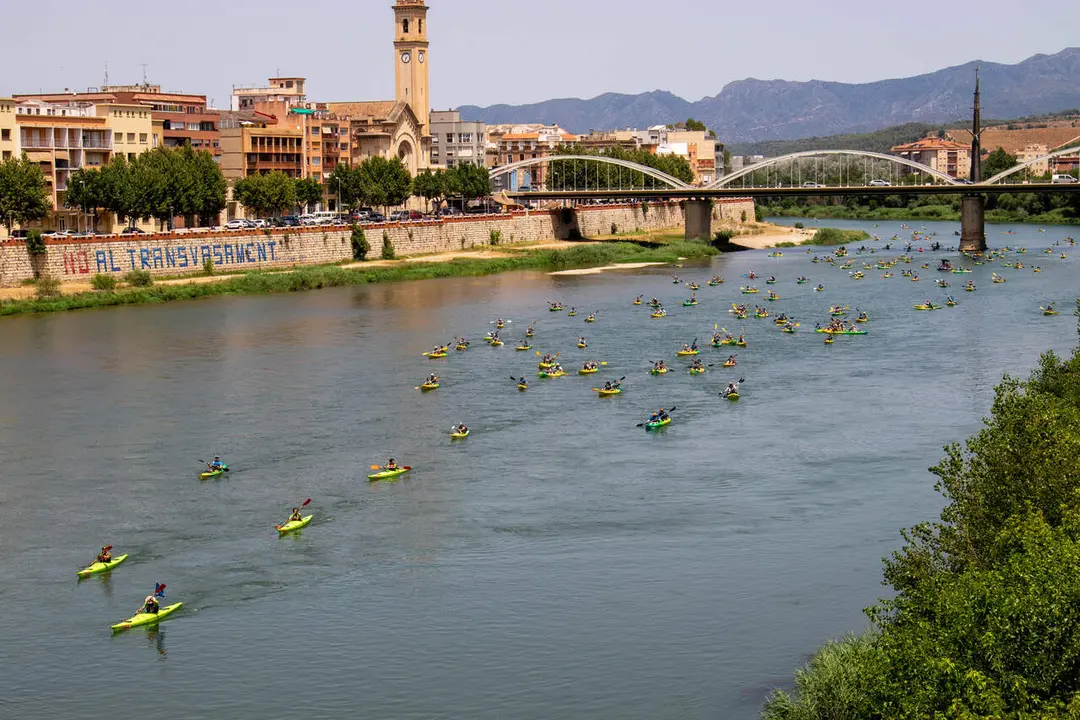

About 250 people participated this Sunday in the 25th Canoe Race of the Platform in Defense of the Ebro, paddling the route between Xerta and Tortosa. A mobilization that focuses on the health of the river and citizen participation in hydrological decision-making.
The Platform takes advantage of one of its most emblematic events to warn about changes in the river's ecosystem and to claim an active role in the debate over the new Hydrological Plan and the Catalan Water Transition law.
The Canoe Race: a popular call for the Ebro
What is the Canoe Race and why does it matter to citizens?
The Canoe Race is an annual event that brings together activists and residents to travel the stretch between Xerta and Tortosa. It is a symbolic and direct way to connect with the river and denounce its degradation, focusing on conservation and the need for more responsible political decisions.
How has the river changed in the last 60 years?
Spokesperson Matilde Font highlighted that the water has lost its transparency, a factor that favors the spread of invasive species. This change in water quality reflects the human and environmental pressure the river has suffered, a concern especially at a key moment for its management.
The current context: the Hydrological Plan and the Water Transition law
What relevance does the new Hydrological Plan of the Ebro Basin have?
The plan is the tool that will define the future management of water in the basin, with direct impacts on the use, conservation, and protection of the river. The Platform demands that citizens have a voice and that the ecological health of the river is prioritized over extractive or urban interests.
What are the expectations regarding Catalonia’s Water Transition law?
This law seeks to establish a regulatory framework that promotes sustainable and fair water management. The organization warns that efforts from citizens must not be diluted and that the protection of water resources must be guaranteed in the face of the climate crisis.
Social mobilization and river defense
How does this mobilization affect residents and the region?
Massive participation shows that the river is a living and central element in local culture and economy. The social movement raises awareness and pressures administrations to listen to the voices of inhabitants and protect their environment.
Why is maintaining citizen involvement now key?
The current political moment is crucial to define the river’s future. Social pressure is the only guarantee that decisions will be sustainable and will not disregard biodiversity nor the interests of the people living along the Ebro.
| Aspect | Detail |
|---|---|
| Participants | About 250 people |
| Route | Xerta - Tortosa |
| Duration of the Canoe Race | 25 years (annual edition) |
| Main objective | Defense and conservation of the Ebro river |
| Political context | Debate on Hydrological Plan and Water Transition law |
Source of the article: Editorial | ACN