More than 1,200 Catalan representatives bring Popular Culture to Stockholm in a unique Festival
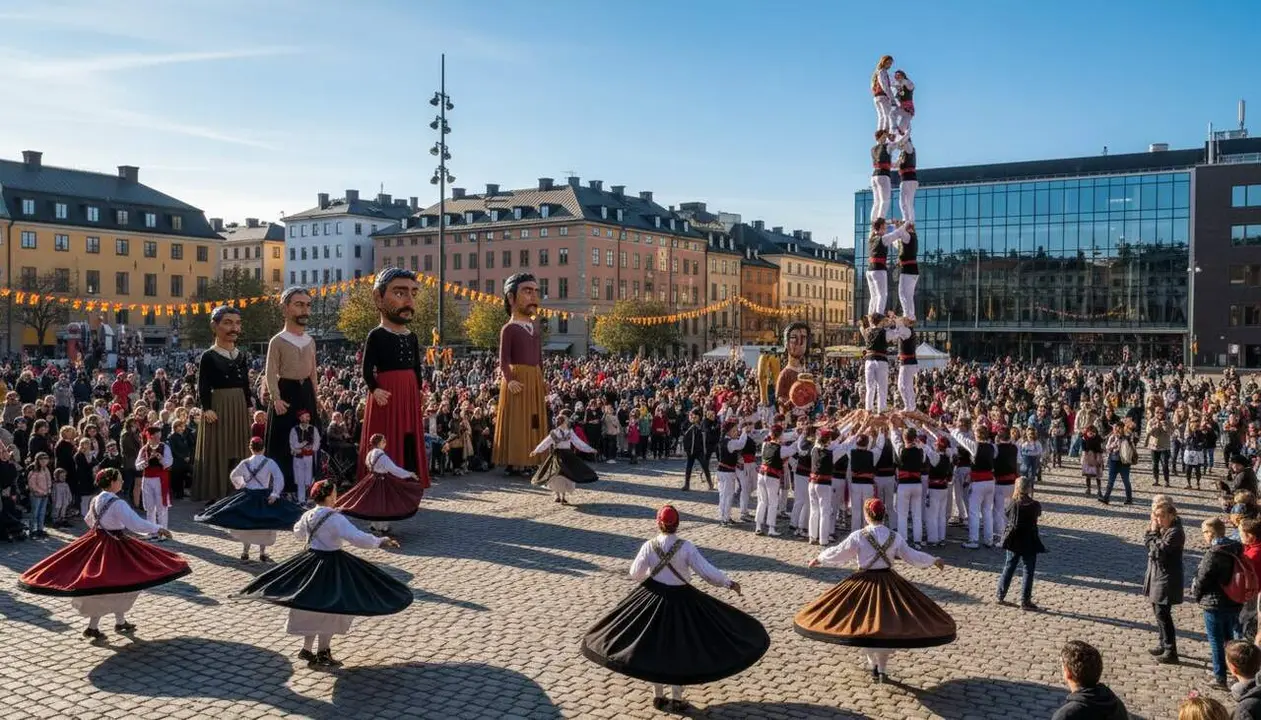

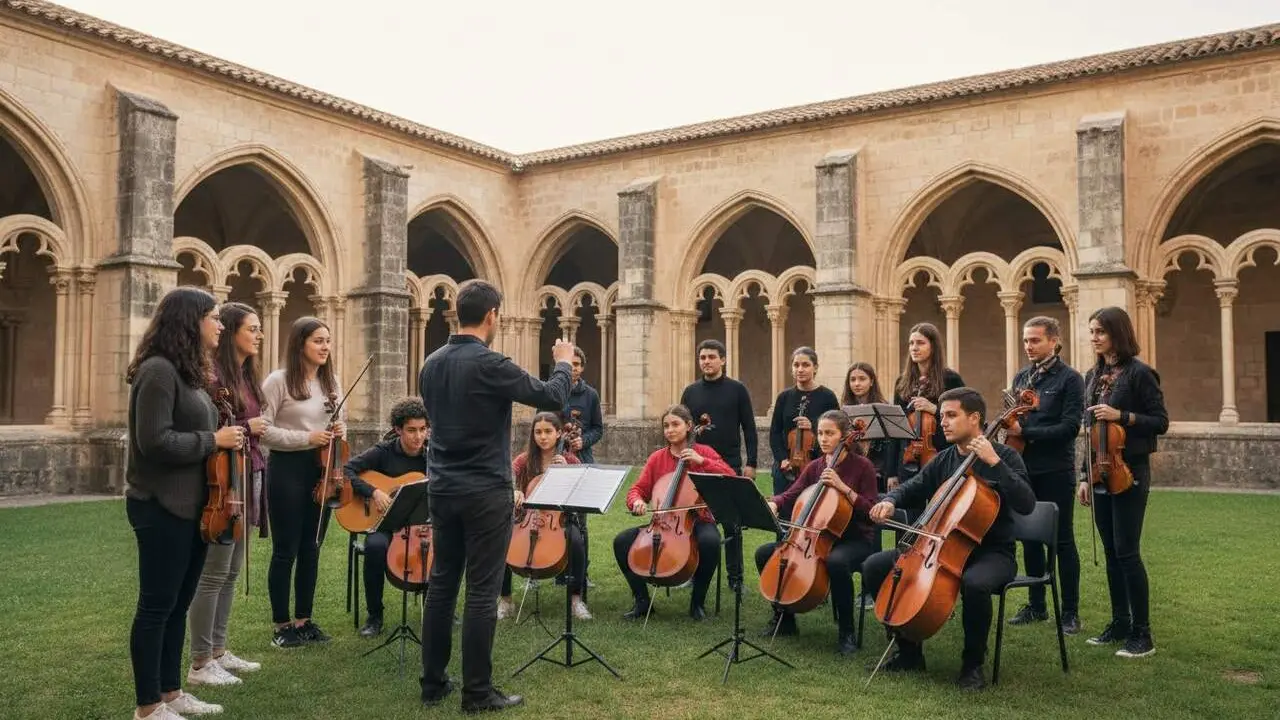
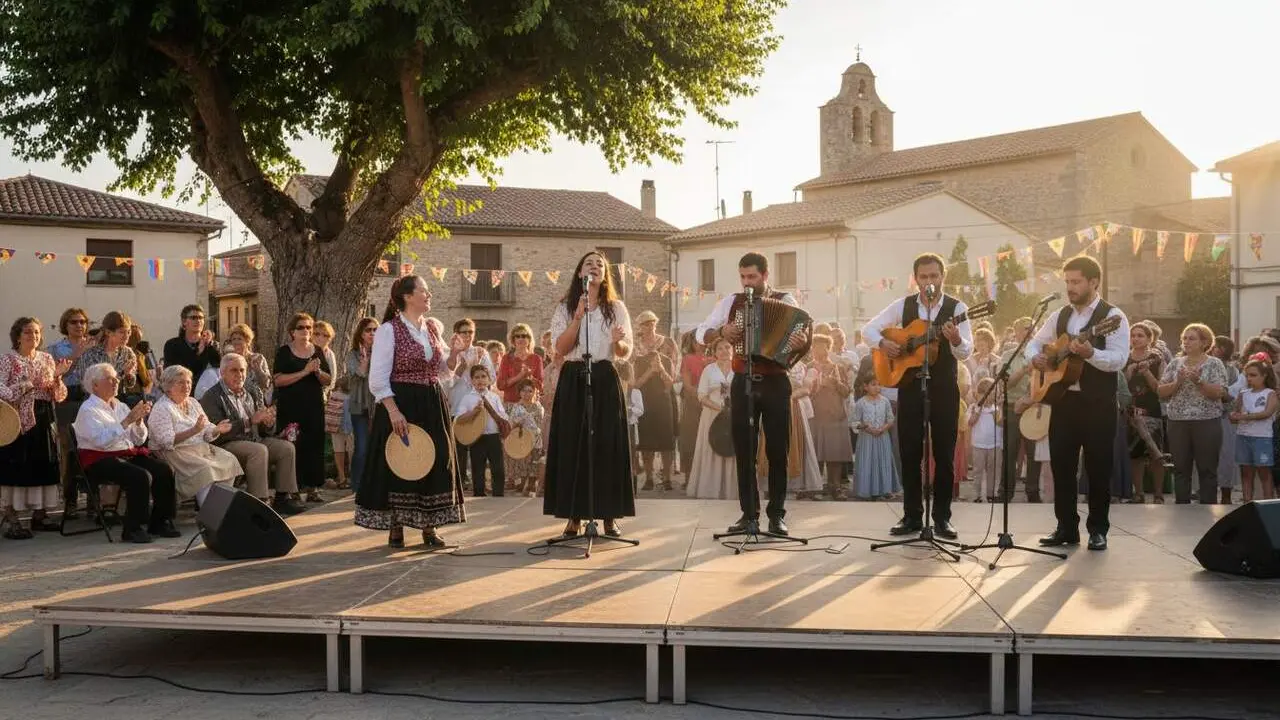
More than 1,200 Catalan artists and collectives took over Stockholm this weekend with their popular culture. Sardanes, human towers, giants, and traditional music have filled the streets and squares of the Swedish capital, placing Catalonia at the center of one of the largest cultural festivals in the Nordic country.
The Minister of Culture, Sònia Hernández, has defended that this event is a "tool to project Catalonia to the world" and has highlighted the ability of Catalan culture to build bridges between peoples and nations.
Catalan Culture triumphs in Stockholm
What makes this Aplec special for Catalans?
For readers from Tarragona and the rest of the province, the International Aplec of Adifolk is much more than a festival: it is the opportunity to see Catalan popular culture recognized hundreds of kilometers from home. With a record participation of 42 groups and 1,200 performers, the Catalan presence at the Stockholm Culture Festival demonstrates the strength and vitality of Catalan traditions.
What elements of Catalan Culture are exhibited?
The Aplec has brought sardanes, human towers, giants, beasts, dance, and traditional music to the most emblematic spaces of Stockholm. These expressions rooted in the territory, combined with an innovative spirit, show a culture that is "tradition and modernity" at the same time, as Minister Sònia Hernández has emphasized.
International projection and ties with Sweden
How does the Aplec fit within the cultural relationship between Catalonia and Sweden?
The Catalan presence in Stockholm is not an isolated event but a piece of a long-standing relationship that includes literature, visual arts, music, and Catalan language teaching. The Ramon Llull Institute has promoted translations of Catalan authors and supported multiple cultural exchanges, reinforcing links between both regions.
What importance does this exchange hold for Stockholm and Catalonia?
According to Deputy Mayor Torun Boucher, Catalan culture reaches "the heart of Stockholm" in a festival that last year attracted more than two million visitors. This cultural interaction fosters mutual respect and creates lasting bonds, as well as showcasing Catalonia as an open country connected to Europe.
Claims and perspectives of the protagonists
What do the Catalan and Swedish leaders say?
The President of the Parliament, Josep Rull, has described the Aplec as the best "soft diplomacy" to project Catalan culture and has highlighted the integrative capacity of the traditions. The Catalan representatives have noted that the Swedes are "absolutely amazed" by the cultural display, which presents Catalonia as a joyful, combative, and universal people.
How is the meeting experienced from the associative movement?
Ivan Besora, president of Adifolk, has highlighted the spirit of collaboration and the will to showcase Catalan traditions everywhere. The Aplec, which began in 1988 with the sardana, has grown into an international event that returns to Sweden this year, twenty years after Malmö.
| Aspect | Key data |
|---|---|
| Participants | 1,200 performers |
| Groups | 42 cultural collectives |
| Location | Stockholm (Sweden) |
| Year of creation | 1988 |
| Last edition in Sweden | 2006 (Malmö) |
Catalan popular expressions are not only a spectacle but also a vehicle to explain "who we are" and what Catalonia represents in the world. This experience in Stockholm makes clear that culture is an asset that connects people and territories and that our country knows how to project itself strongly beyond its borders.
Participation in an event of this magnitude, within a festival with millions of visitors, is a unique opportunity for Catalan culture to continue weaving international ties and showcase its richness and diversity.
For the people of Tarragona, seeing their culture grow in Stockholm is not only a reason for pride but also an invitation not to lose their roots and to continue nurturing it with the same passion and commitment that more than one thousand two hundred performers have put on stage.
Source of the article: Miquel Codolar / Catalan News Agency