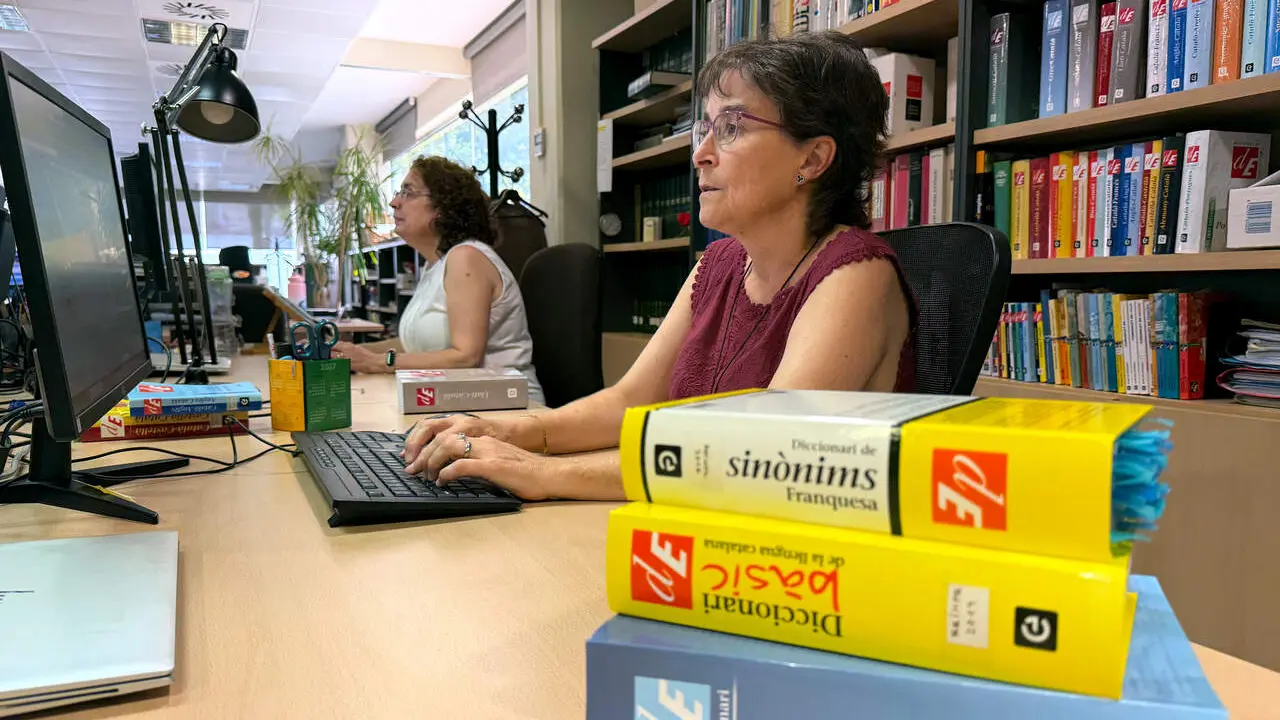
Paper guides and maps: why they remain strong in the digital age in Catalonia
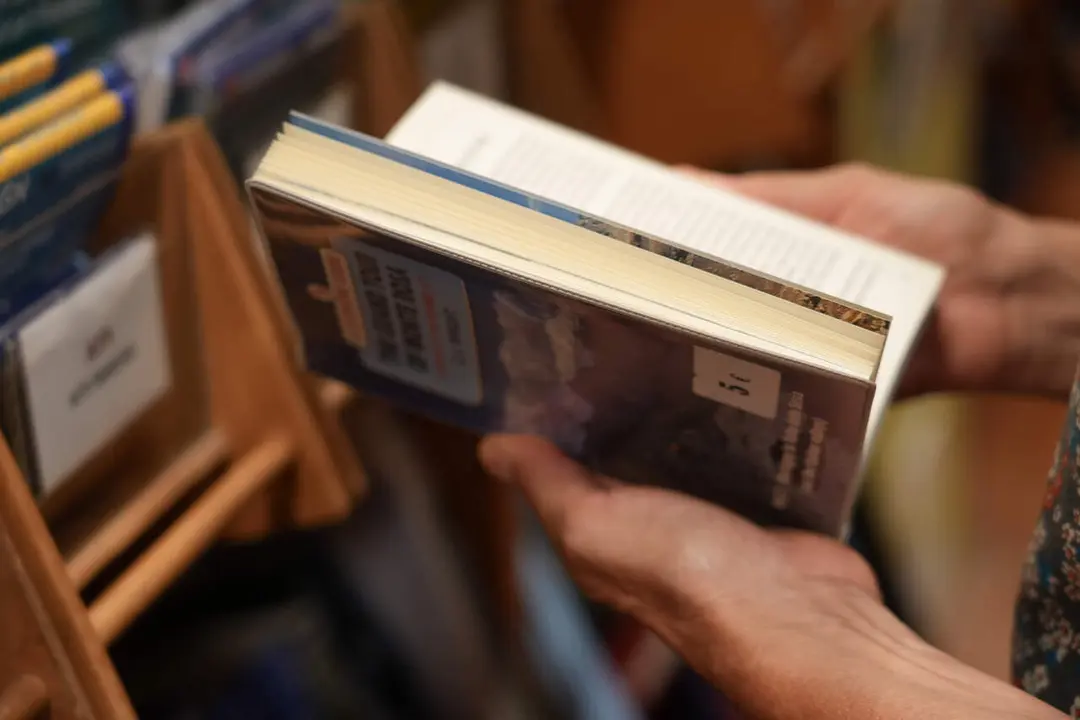

Paper guides and maps continue to be key tools for many travelers despite increasing digitalization and the rise of artificial intelligence. Their clarity, order, and reliability make them essential to complement the excess of scattered information found on the internet.
This contrast with digital resources has led the physical format to reinvent itself and maintain a loyal audience, especially for planning trips with calm and security.
The resilience of paper guides in the digital age
Why do paper guides still matter today?
Paper guides offer easy and structured consultation that does not depend on a connection or an electronic device. They are a trusted support for planning itineraries, accommodations, and local recommendations without getting lost in the digital chaos.
Josep Maria Iglesias, from the Ulyssus bookstore, highlights that despite the decline in young buyers, the format remains alive with constant editorial novedades. Their convenience for having all information at hand and their complementary function to the digital world are key.
How have publishers adapted to new uses and audiences?
Lonely Planet, with over 25 years in Spain, sells about 200,000 guides annually in the country and millions globally. Its manager, Núria Cabrero, defends that they are a product complementary to the internet, providing information validated by local experts who live at the destination.
The guides have replaced exhaustive lists with exclusive recommendations and more personal approaches, adapting to a very diverse audience: families, seniors, and travelers as couples or groups.
Maps and guides as tools for planning and experience
How do paper guides complement digital resources?
In an environment saturated with digital information and fleeting trends, paper guides offer geographic and thematic order, facilitating planning according to season, weather, and local festivities.
Elena Barnadas, from Altaïr, argues that they do not compete with Google Maps but complement it by providing complete and objective information. This makes them more valuable for long getaways and mountain trips, where reliability is essential.
What changes have occurred in buyer habits?
Purchasing has become more selective: now guides are chosen for specific destinations, especially for long or mountainous trips. Destinations such as Japan, Albania, and China are trends for 2026.
A use as a souvenir has also been detected, because the physical book symbolizes the emotional experience of travel more than just a useful object.
Mountain cartography and the impact of artificial intelligence
Why do paper mountain maps remain indispensable?
In the mountains, the global view provided by a paper map surpasses the pinpoint location of GPS. It allows planning routes, identifying refuges, and adapting to unforeseen events with more security and intuition.
Buyer Jordi from Girona exemplifies how he combines paper maps and technology to adapt the route depending on terrain conditions and weather.
How has artificial intelligence affected guidebook sales?
Xevi Cortacans, from the Muntanya de Llibres bookstore, estimates a 25% drop in sales due to tools like ChatGPT, which quickly provide personalized itineraries.
Despite this, loyal customers value the contrasted and structured information that guides offer. Publishers have also evolved formats, adding more photos and maps and reducing texts to adapt to today’s speed and visual style.
| Aspect | Paper format | Digital resource |
|---|---|---|
| Reliability | High from local specialists | Variable, scattered sources |
| Accessibility | No connection or battery needed | Depends on internet and devices |
| Updating | Periodic revisions, less immediate | Constant updates, but less verified |
| Experience | Sentimental and tactile | Fast and visual |
Source of the article: Eli Don / Nia Escolà / Iñaki Martinez / Catalan News Agency