55% of families supported by Cáritas Tarragona do not have decent housing or legal status

55% of the families that Cáritas accompanies do not have decent housing nor do they have regular administrative status. This reality exacerbates entrenched poverty and hinders access to job opportunities in the province of Tarragona and the rest of Catalonia.
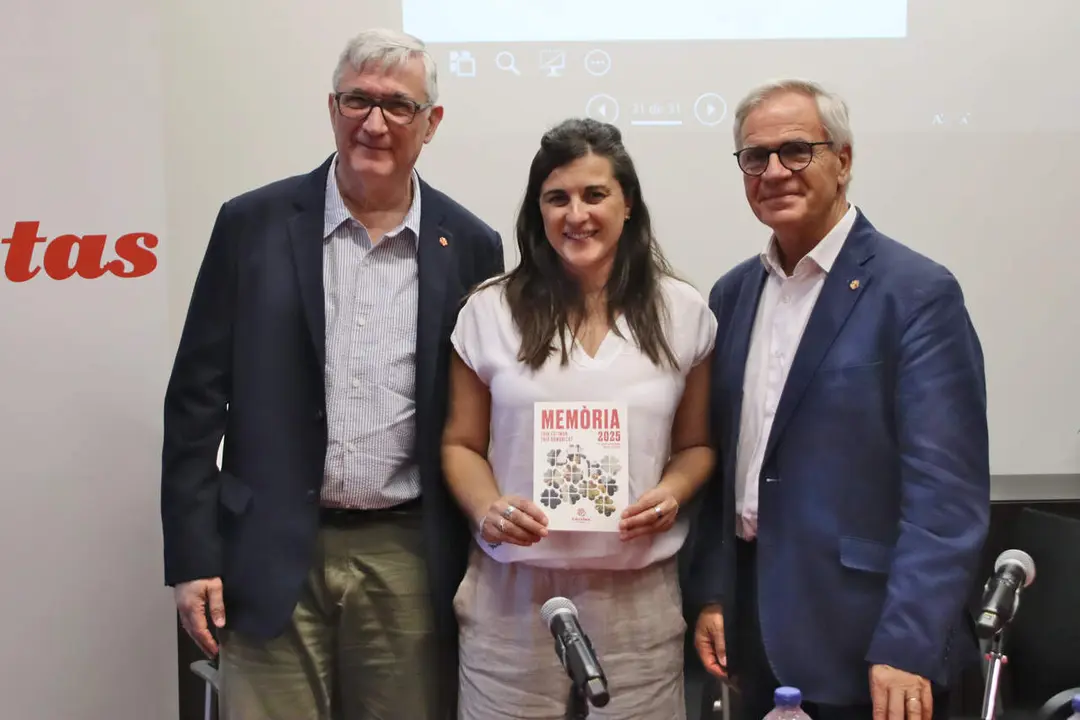
This figure comes from the 2025 Report of Cáritas Catalunya, which supports more than 86,000 households and almost 200,000 people, revealing an issue that goes beyond just a number.
Context and key data from the 2025 Report of Cáritas
What does an undignified housing situation and administrative irregularity imply?
An undignified housing situation means living in precarious conditions, often in unhealthy apartments or with health risks. When this is combined with administrative irregularity, the doors to stable work and social services almost completely close. In Tarragona, this results in extreme vulnerability for more than half of the families Cáritas supports.
What are the main figures outlined in the Report?
- 86,128 households supported in Catalonia in 2025.
- 199,571 people assisted in total.
- 55% without decent housing.
- 46% in irregular administrative status.
- 53 million euros invested in more than 2,000 projects.
- 82% of resources allocated to direct social action.
- 647 professionals and 11,110 volunteers involved.
Local impact: what does this mean for Tarragona and its people?
How does this situation affect families and neighborhoods in Tarragona?
In a territory like Tarragona, where inequality is growing and social resources cannot meet all needs, these data are a call for attention. Families without decent housing or regular documentation find themselves trapped in a cycle that makes it difficult to escape poverty. The lack of effective housing policies and barriers to accessing work worsen the situation.
What are the responses from Cáritas and civil society?
Cáritas Tarragona, with the support of nearly 12,000 volunteers and collaborators, dedicates most of its resources to projects and social actions aimed at alleviating these shortcomings. This includes direct housing support, legal advice, and labor integration programs. Nevertheless, they demand stronger and more coordinated public policies.
Housing policies and social action: where is the challenge?
Why is the lack of housing policies a key problem?
Without a public stock of accessible housing, many families are excluded from the market and forced into precarious situations. Moreover, administrative irregularity prevents access to basic resources and rights. This combination creates entrenched poverty that does not disappear with temporary solutions.
What measures are demanded to break this cycle?
- Increase social and affordable housing in Tarragona and Catalonia.
- Facilitate the administrative regularization of people in irregular situations.
- Promote labor insertion programs adapted to the reality of these families.
- Enhance coordination between administrations and social entities to maximize impact.
| Type of support | Resources allocated | Impact |
|---|---|---|
| Housing | 53% of 53 MEUR | Improvement of living conditions and stability |
| Labor insertion | Approximately 20% | Access to employment and economic autonomy |
| Legal advice and support | 15% | Regularization and defense of rights |
| Other social actions | 12% | Psychological and community support |
Look at that, this issue shows that it is not only about helping people but about dismantling a system that leaves them out. Little by little, however, Tarragona and entities like Cáritas fight to reverse this reality.
Source of the article: Eloi Tost / Editorial | ACN