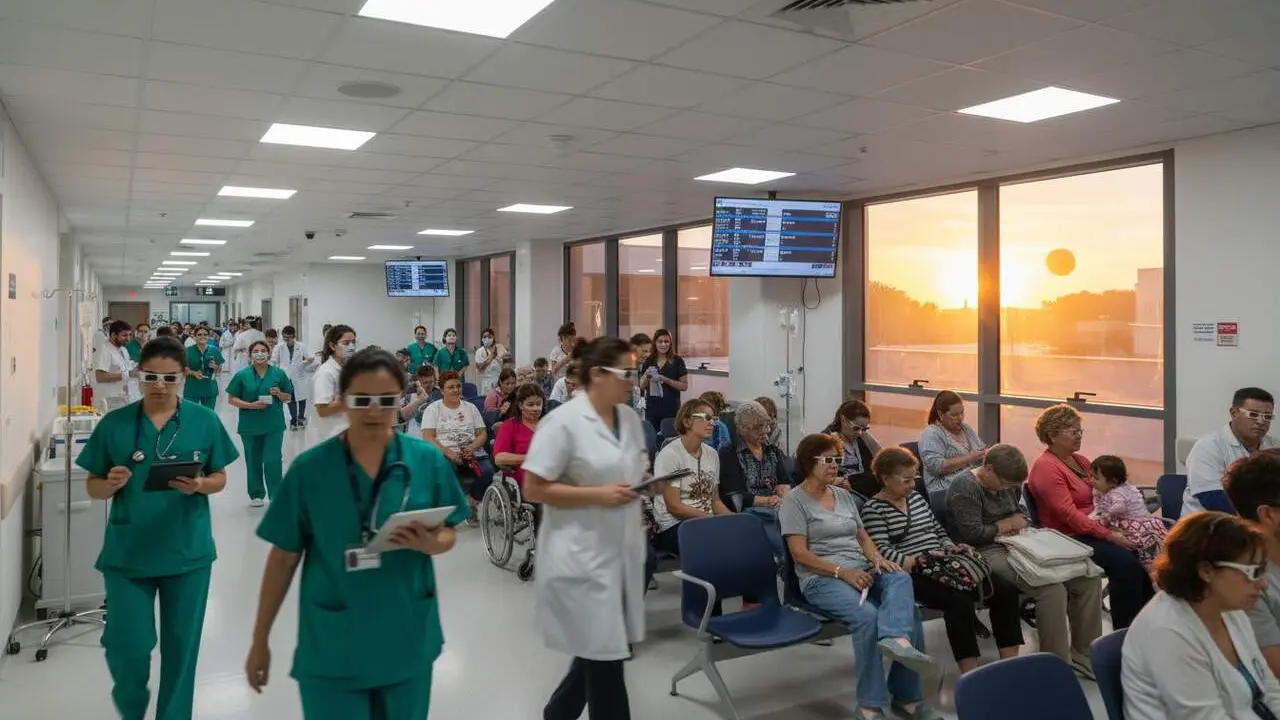
2.3 million daily trips in the Camp de Tarragona: more than half by private transport
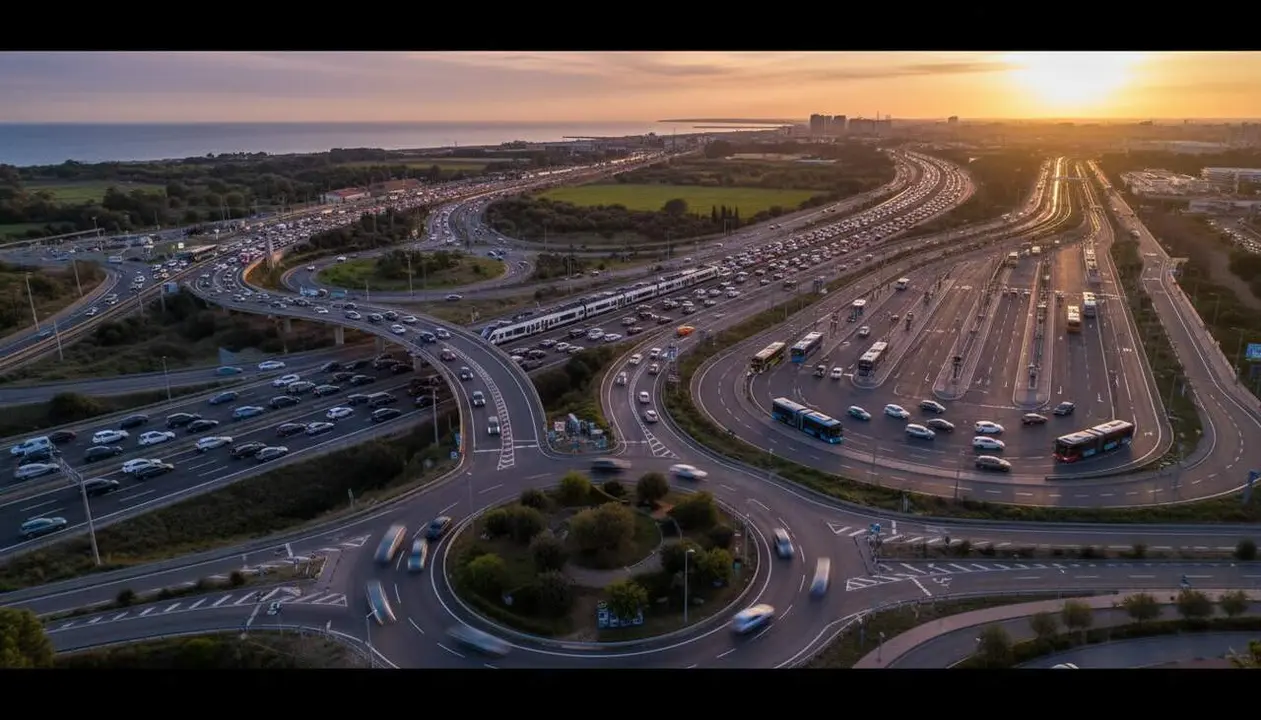

Every day, 2.3 million trips are recorded in the Camp de Tarragona, with 53.2% using private transport. This figure reflects a notable increase of 23% compared to 2020, a year marked by COVID-19 and its restrictions.
The survey, which involved the participation of 14,000 people, reveals clear changes in mobility habits affecting Tarragona and the rest of the region. But what does this mean for the inhabitants of this area?
Increase in mobility in Camp de Tarragona
What are the key data from the mobility survey?
The Daily Mobility Survey shows that daily trips have risen from 1.86 million in 2020 to 2.3 million in 2026, an increase of 23.28%. The average mobility per person has also risen from 2.96 to 3.9 daily trips. Thus, people are moving more often and farther.
Why has mobility grown so much since 2020?
The main reason is the recovery and growth of personal mobility after the pandemic restrictions. While in 2020 COVID-19 slowed movements, now normality has increased trips, both for work and for leisure and other activities.
Distribution of transport modes used
How are trips distributed by mode?
53.2% of trips are made using private transport, whether car or motorcycle. Active modes (walking or cycling) account for 40.4%, while public transport reaches only 6.4%. This distribution shows a clear preference for individual mobility.
What are the risks and opportunities of these figures?
The massive use of private transport can cause congestion and pollution, but it also reveals a habit difficult to break. On the other hand, the significant percentage of active mobility is positive for health and sustainability, although public transport should be further promoted.
Local impact and future of mobility
How does this affect the lives of Camp de Tarragona residents?
This increase in daily trips directly impacts traffic congestion, air quality, and noise. Inhabitants may notice more time lost in traffic and a less healthy environment, which could motivate demands for improvements in infrastructure and mobility policies.
What measures could be taken to balance this mobility?
Promoting public transport, expanding bike lanes, and encouraging active modes are key steps. Additionally, digitalization of work and flexible hours could reduce the need for daily trips, contributing to a more sustainable Camp de Tarragona.
| Type of transport | Percentage | Comment |
|---|---|---|
| Private transport | 53.2% | Majority, with risks of congestion and pollution |
| Active modes | 40.4% | Healthy and sustainable, but with room for improvement |
| Public transport | 6.4% | Minority, needs incentives and improvements |
Article source: Editorial | ACN