The mistake of plug-in hybrids: why many drivers regret it after just a few months
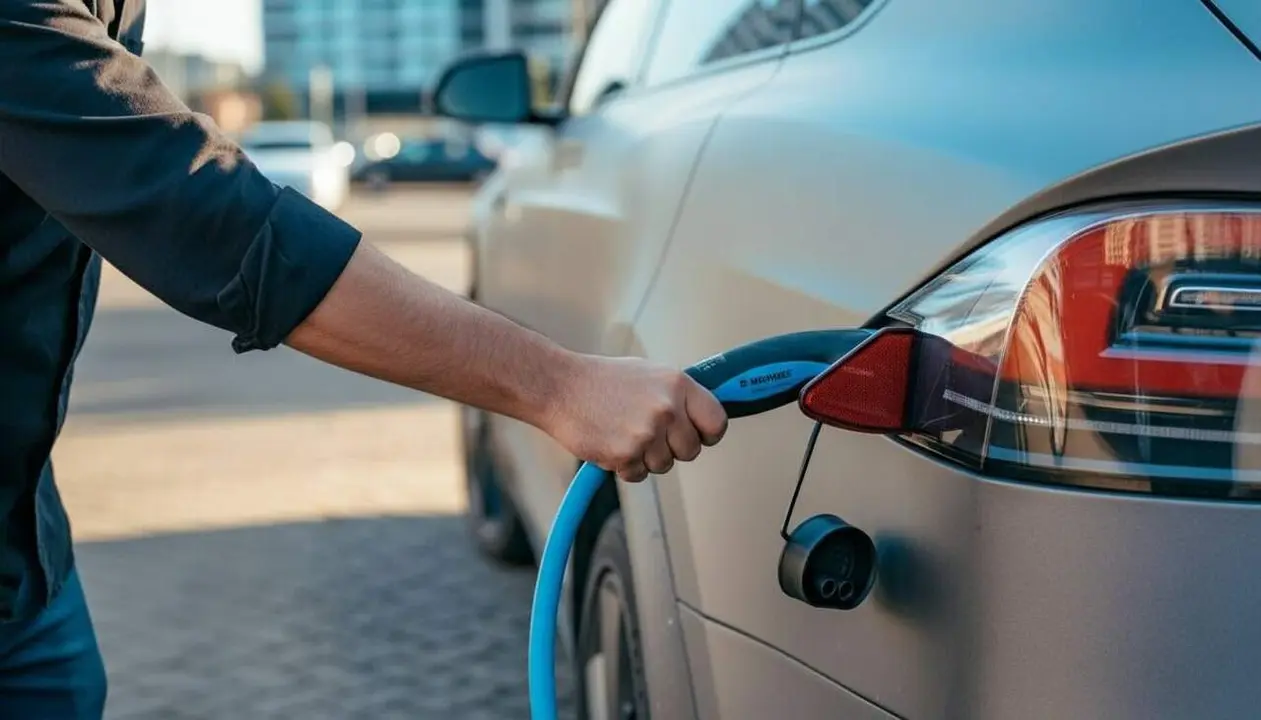

Saving up to 2,500 euros annually on fuel and maintenance is the main reason why users who try electric no longer want to ever go back to gasoline. According to Albert Sagarra, delegate in Barcelona and Catalonia of the Electric Vehicle Users Association (AUVE), the transition towards clean mobility is no longer a future promise but a reality that exposes the high maintenance costs of traditional combustion engines.
Despite the massive arrival of new models, there still exists a narrative of resistance based on myths that, in practice, fall apart in the first week of use. The reality is that, nowadays, charging the car in the home garage while you sleep costs approximately two euros per every 100 kilometers traveled, a figure that no TDI engine can dream of matching.
🎯 Home charging cost: ~2 € / 100 km
📅 Key date: September 9 (World Electric Vehicle Day)
🏛️ Source: AUVE Catalonia
The plug-in hybrid trap and the autonomy myth
One of the most curious phenomena detected by AUVE is the profile of buyers who, out of fear, choose a plug-in hybrid (PHEV). *And here comes the drama*: shortly after, seeing the smoothness of electric driving and, above all, the low cost per kilowatt, many feel they have missed an opportunity. The hybrid ends up being seen as a burden that maintains the mechanical complexity of combustion without offering the full advantages of pure electric.
Why can the hybrid be a wrong decision?
Regret arises when the driver realizes that 90% of their trips are urban or short interurban ones. Sagarra explains that many people size their vehicle purchase thinking exclusively of the single long trip they make each year, ignoring that the rest of the year they could move much more cleanly and economically. The association often sees how these users end up wishing they had gone directly 100% electric.
Is range anxiety real?
The so-called range anxiety is, in Sagarra's words, totally a myth. Today, vehicles offer between 400 and 500 real kilometers. The idea that everyone makes 1,000-kilometer trips without stopping for a second is a fallacy. With a 15-minute stop to have a coffee at an ultra-fast charger, the problem disappears. The real problem is not the car but the visibility of charging points along our highways.
Infrastructure and prices: the barrier is breaking down
While it is true that public infrastructure in Catalonia has serious shortcomings, such as lack of maintenance or the frustrating bureaucracy to legalize new points, the private network already allows crossing the peninsula smoothly. Private operators resolve issues immediately, contrasting with the neglect of certain municipal points where a stolen cable can take months to be replaced.
What is the real price of an electric car today?
Currently, there are electric models that cost the same as their gasoline counterparts. The Tesla Model 3 or Model Y can be found for under 30,000 euros with subsidies, and options like the Dacia Spring hover around 18,000 euros. The mid-range offerings have multiplied, breaking the cliché that electrification is only for the highest incomes.
How do Low Emission Zones (LEZ) affect this?
LEZs act as an inevitable lever for change. Those forced to renew their vehicle seek the Zero label to guarantee future access to urban centers. Sagarra insists that, despite the initial cost, the long-term benefit for household economy is huge, especially for pensioners and families who make intensive daily use.
The future of mobility and Chinese brands
The arrival of Chinese manufacturers has shaken the European market, forcing traditional brands to step up (literally). For the end user, this competition is a golden opportunity to get better equipment at more reasonable prices. Market diversification is, undoubtedly, the engine needed to accelerate the renewal of our aging automotive fleet.
The reality is that in a decade we will look at combustion cars with the same nostalgia as we now look at a landline phone. We will see vehicles that made noise, emitted harmful fumes, and required expensive maintenance as relics of the past. The transition to electric vehicles is inevitable, desirable, and above all, a matter of common sense to stop depending on oil that only brings subordination and high costs.
Frequently Asked Questions
- Is it true that electric cars catch fire more than gasoline ones?
- No, it’s a myth fueled by old viral videos. Statistics show that the percentage of fires in electric vehicles is ridiculously lower than in thermal cars.
- Can I travel across Catalonia and Spain without fear of being stranded?
- Yes, absolutely. Current navigators and mobile applications inform in real-time about charger availability. Thousands of European tourists already cross the peninsula every summer without problems.
- How much can you really save with an electric car per month?
- Savings depend on use, but a reduction of up to 2,500 euros annually in fuel and maintenance is estimated, as there are no oil changes, filters, or severe brake wear.