3 keys to understand the car clock witness and avoid fines for distraction
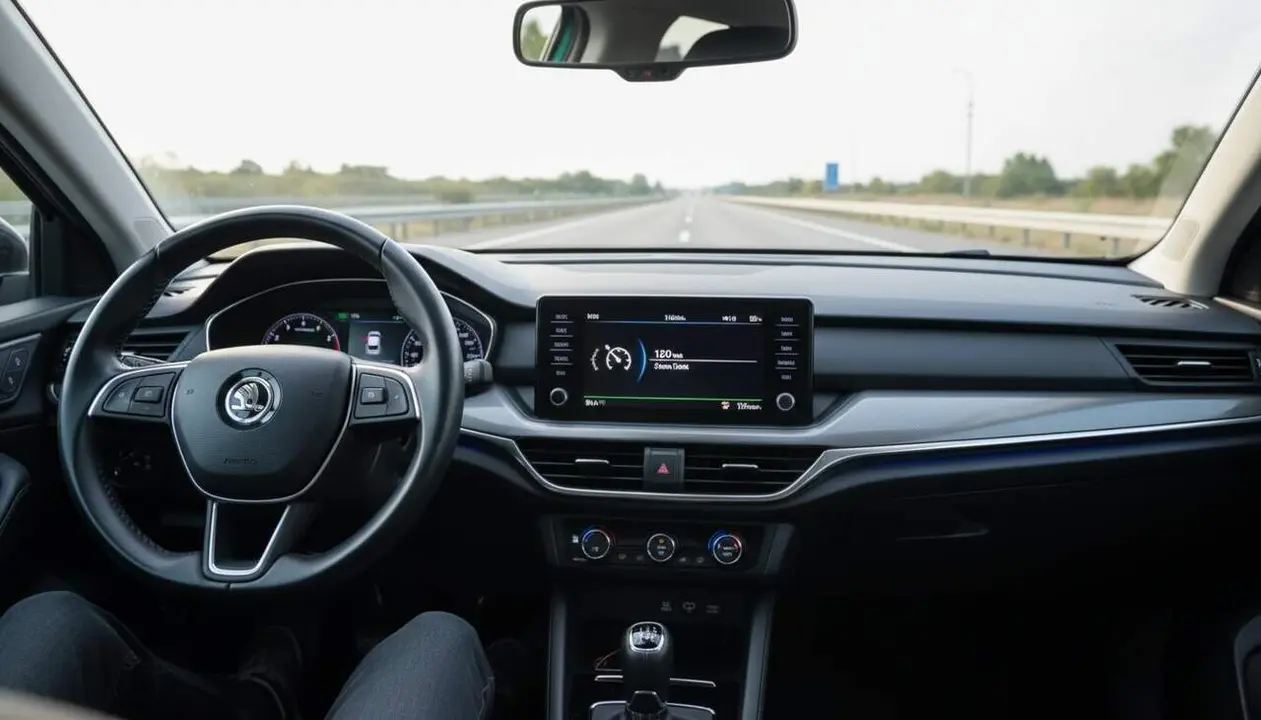

The watch-shaped indicator on the car dashboard indicates that the cruise control system is activated or on standby. This function allows maintaining a constant speed without pressing the accelerator, being key for comfort on highways.
Surely it has happened to you: you are driving on the AP-7, you look at the instrument cluster, and there it is, a mysterious watch that does not tell the time. Don’t worry, your vehicle hasn’t turned into a time machine nor is it about to explode; it’s simply offering a break for your right foot.
🎯 Points lost: Up to 6 points
📅 In effect since: 2026-09-11
🏛️ Authority: DGT / Catalan Traffic Service
The real meaning of the watch symbol on the dashboard
Contrary to what many novice drivers think, this symbol does not warn of a malfunction nor remind us that we are late for dinner. It represents the cruise control system, a technology that takes over acceleration to maintain a steady pace. In the most current 2026 models, this system has evolved into adaptive cruise control, which even brakes by itself if it detects a slow truck ahead of you.
Is it a malfunction or an active function?
The indicator does not signal a failure. If you see it lit, it means the car is ready to drive autonomously regarding speed. According to industry experts, "lack of knowledge of basic symbols causes unnecessary visits to the workshop", which shows that we still need to read the dusty instruction manual in the glove compartment a little more.
Differences between colors: white, yellow, and green
Color is fundamental to know what is happening under the hood. If the watch is white or yellow, the system is in standby mode. However, when it turns green, it means the car has already fixed the speed and you can lift your foot off the pedal. Remember that each manufacturer has their quirks, so taking a look at the vehicle manual never hurts.
Why it is your best ally on highway trips
Handling this system is not just a matter of comfort, it is almost a lifestyle for those who regularly travel the N-340 or the A-2. The main virtue is the reduction of physical fatigue. Not having to maintain constant pressure on the pedal means muscle fatigue takes much longer to appear, avoiding uncomfortable cramps in the middle of a long journey.
Fuel savings and road safety
Want to save a few euros at the gas station? Cruise control is extremely efficient on flat terrain since it avoids sudden accelerations and useless braking that shoots consumption. Furthermore, it reduces the risk of fines due to distractions; it’s impossible to get caught driving at 130 km/h if you have the system set at 110 km/h. As a DGT spokesperson said this September 2026, "technology should help maintain limits, not replace the driver’s attention".
The importance of staying alert
Does this mean you can take a nap? Obviously not. No matter how much the car maintains speed, you are in charge. Your hands must be on the wheel and your eyes on the road. The system disconnects instantly when you press the brake or the "CANCEL" button, so safety still depends on your reaction ability to any unforeseen event.
How to activate and configure the system correctly
To turn it on, there is usually a button on the steering wheel with the word "CRUISE" or the watch symbol itself. Once you reach the speed you want, press "SET" and voilà, the car drives by itself. You can adjust the pace with the "+" and "–" buttons without having to touch the pedals again, a marvel for patience in radar trap zones.
| Button Function | Action Performed |
|---|---|
| SET | Sets the vehicle’s current speed. |
| RES (Resume) | Recovers the last saved speed. |
| CANCEL | Deactivates the control without erasing memory. |
How to deactivate in case of emergency?
It’s instantaneous. You just need to touch the brake pedal or the clutch pedal (in manual cars) for the system to return full control to your legs. You can also use the cancel button if you want to reduce speed gradually without braking abruptly. It’s that simple.
Tips for safe use in adverse conditions
Do not use cruise control in heavy rain or ice. In these situations, the car might try to maintain speed while the tires lose grip, causing a monumental scare. The reality is this tool is for sunny days and dry asphalt, where the monotony of the road is our only enemy.
Understanding what the dashboard tells us is the first step for smart and safe driving. The cruise control indicator is only a reminder that technology serves our comfort and savings, as long as we know when and how to use it correctly on our roads.
Frequently Asked Questions
- Can I use cruise control in the city?
- It is not recommended. The system is designed for constant speeds and obstacle-free conditions. In the city, with traffic lights and pedestrians, it could be dangerous and impractical.
- What happens if I press the accelerator with the system activated?
- The car will accelerate normally to overtake. Once you release the pedal, the vehicle will automatically return to the previously set speed.
- Do all cars have the same watch symbol?
- Most do, although some may show the word "CRUISE". Green is the universal standard color to indicate the system is actively working.