Why does someone who never posts on social media not seek external validation?
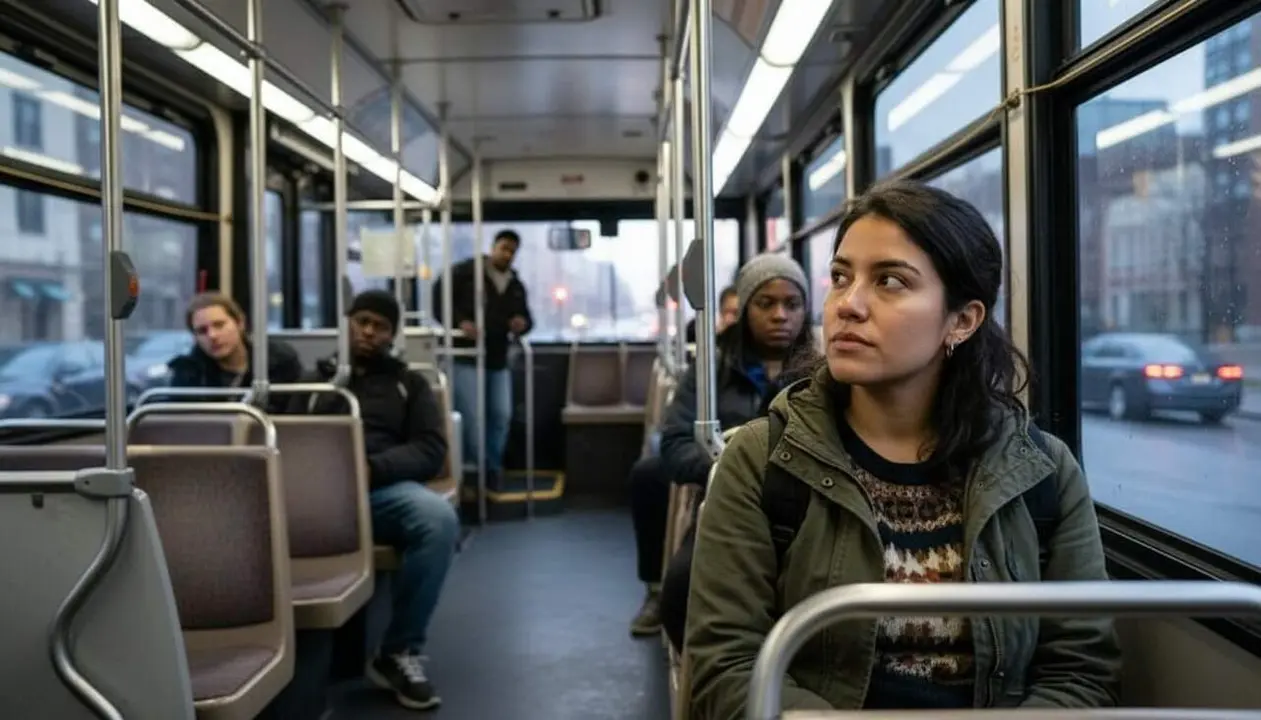

People who never post on social media are not just seeking privacy, but they do not need external validation. This behavior reveals an emotional maturity that many do not suspect, although these people are often judged as boring or unsociable.
If you have ever wondered why some simply observe and do not share, this psychological analysis will help you better understand this very particular digital profile.
Who are the users who do not post on social media?
What defines this profile according to psychology?
People who do not post content on social media, known as "zero posting," are mainly guided by their own values and principles. This characteristic shows a great self-awareness and an uncommon maturity in the digital context.
They are confident in their worth and do not depend on 'likes' or followers to feel recognized. Thus, they not only protect their privacy but also set clear boundaries about what they want to share.
Why is this relevant for today’s reader?
For many, this attitude may seem strange or even antisocial, but it is a sign of emotional strength that offers a healthy contrast to the culture of constant exhibition. Understanding this profile can help respect the diversity of behaviors on social media and avoid prejudices.
Positive and sensitive aspects of this behavior
What advantages do these people have?
According to psychologist Olga Albaladejo, these users stand out for better decision-making and a conscious management of their digital space. They use social media selectively, avoiding social pressure and maintaining a clear awareness of their privacy and mental well-being.
This attitude allows them to protect themselves from the anxiety generated by the constant need for approval.
What about their emotional sensitivity?
Despite the benefits, many zero posting individuals are more sensitive to criticism and external judgment. They carefully analyze every possible post to avoid receiving negative opinions, which may reflect insecurities or social fears that go beyond social media.
This also translates into a more reserved attitude in face-to-face social situations.
The risks of excessive social media use and its counterpoint
How does constant use of social media affect mental health?
Intensive use of social media can cause feelings of addiction, anxiety, depression, isolation, and FOMO (fear of missing out). Many psychological studies support these negative effects, which contrast with the emotional stability of zero posting individuals.
The contrast is clear: while some get swept away by the need for approval, others distance themselves to protect their well-being.
What can we learn from this profile?
Adopting a more conscious and selective use of social media can be an effective way to protect mental health. Setting boundaries and not relying on external validation are skills that any digital user should consider to feel better and avoid social stress.
This makes the zero posting profile an example worth keeping in mind today.
The reality is that not everyone who does not post is boring or antisocial; many simply live their lives with internal security and without needing to prove anything to anyone.
A shift in perception can help appreciate the emotional and digital diversity that coexist on social media.