Morocco buys Dutch maritime drones to stop the departure of immigrants
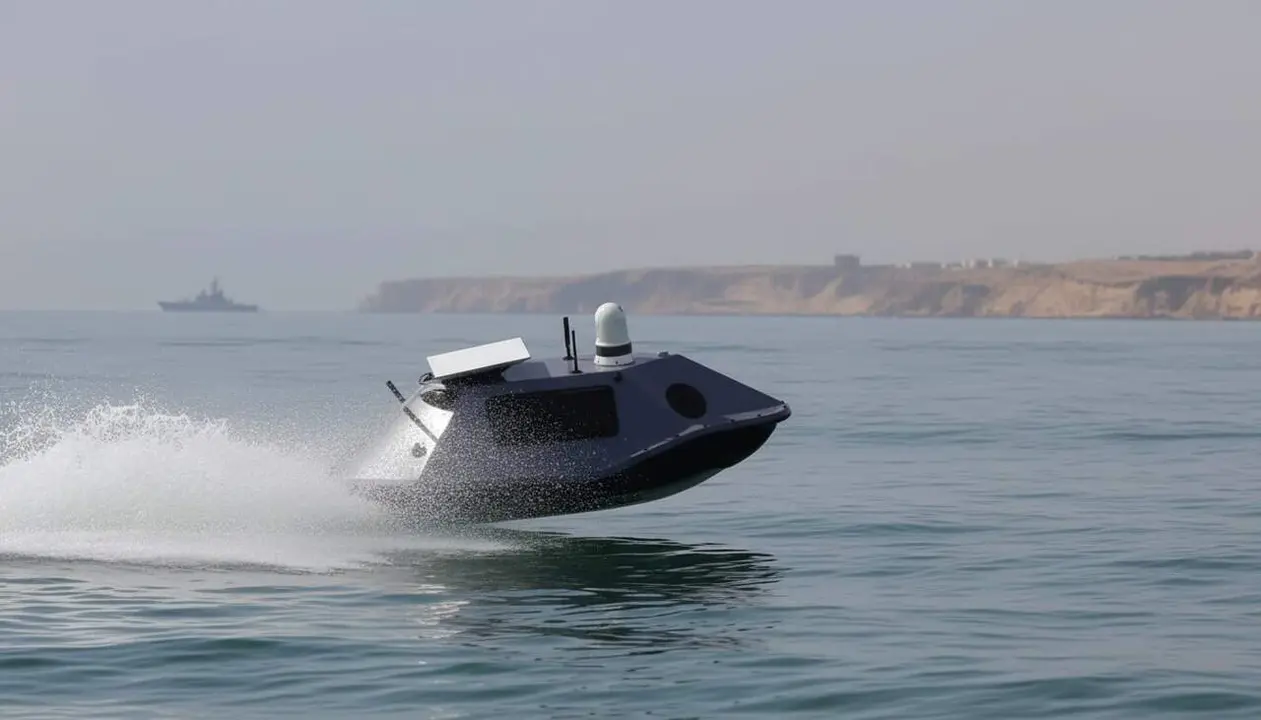

The Dutch government has authorized the export of advanced military technology to Morocco, including two unmanned maritime drones, sensors, and control systems, valued at 13 million euros. This decision was made following an evaluation according to the European Union’s arms export criteria, which consider factors such as end use and respect for human rights. The sale also includes training and technical assistance for the Royal Moroccan Navy.
The primary reason for this operation is to strengthen Morocco’s capacity to control irregular migration towards the Canary Islands, an issue that affects both Spain and the European Union in general. The collaboration between the Netherlands and Morocco is justified by the consideration of Morocco as a “stable and strategic security partner.”
What do these drones mean for Morocco?
How do maritime drones work and why are they key?
These drones are autonomous vessels that can patrol maritime areas without the need for crew, equipped with sensors to detect irregular vessels or suspicious objects. Their function is to monitor and intercept possible departures of migrants more efficiently and constantly, especially in areas difficult to access for traditional boats.
Why does Morocco need this technology?
Controlling maritime routes to the Canaries is complex and costly. With these drones, Morocco can expand its surveillance capacity between islands and coastal areas, reducing risks for people attempting the crossing and improving coordination with Spain and the EU on security matters.
Who is directly affected by this purchase?
Which political and social actors are involved?
This purchase directly affects the Royal Moroccan Navy, Spain’s migration authorities, and the European Union, as well as the people attempting irregular access to the Canaries. It also impacts European migration policy and diplomatic relations with the Netherlands.
How can this technology influence irregular migration?
Strengthening maritime surveillance with drones can reduce the departures of irregular vessels, but it also raises humanitarian issues regarding the treatment of migrants and the need for legal alternatives for migration.
How to check if this technology affects your area or project?
Which indicators show the use of these drones in the area?
The presence of unmanned vessels patrolling the waters, increased maritime controls, or official statements from the Royal Moroccan Navy can be clear signs. It is also important to stay alert to news about interceptions or joint operations with the EU.
How can this export be officially verified?
The authorities of the Netherlands and Morocco publish reports on export licenses and military operations. Following statements from the Dutch Ministries of Foreign Affairs and Foreign Trade is key to obtaining confirmation.
- Access the official website of the Dutch Ministry of Foreign Affairs
- Check public lists of arms export licenses
- Follow communications from the Royal Moroccan Navy about maritime operations
- Stay alert to news related to irregular migration to the Canaries
- Confirmed presence of maritime drones in your area of interest
- Increase in maritime controls or interceptions on routes to the Canaries
- Official statements about the use of this technology
- News of cooperation between Morocco and the EU on security matters
| Platform / Version | Affected | Solution or Status |
|---|---|---|
| Dutch maritime drones | Royal Moroccan Navy | Active with technical support and training |
To maintain effective and responsible security, it is recommended to follow the evolution of migration policies and bilateral agreements, keep coordination protocols between countries updated, and promote transparency in the use of this technology.
Be attentive to possible irregular situations or abuses in the use of drones, as well as warning signs in intensified patrol areas. In case of doubts or incidents, it is advisable to contact specialists in maritime security or official bodies.
The reality is that military technology such as maritime drones represents a significant change in managing irregular migration, but its use must be tied to humane and coordinated strategies to ensure security and respect for human rights.
Frequently Asked Questions
- What is the function of the maritime drones acquired by Morocco?
- They are autonomous vessels that monitor maritime routes to detect and intercept irregular departures towards the Canaries.
- How does this purchase affect irregular migration?
- It improves Morocco’s control capacity, potentially reducing irregular departures, but it can generate debates about human rights.
- Where can I verify the legitimacy of this export?
- On the official websites of the Dutch Ministries of Foreign Affairs and Foreign Trade and in communications of the Royal Moroccan Navy.