What to connect first, the phone or the charger? the secret to avoid
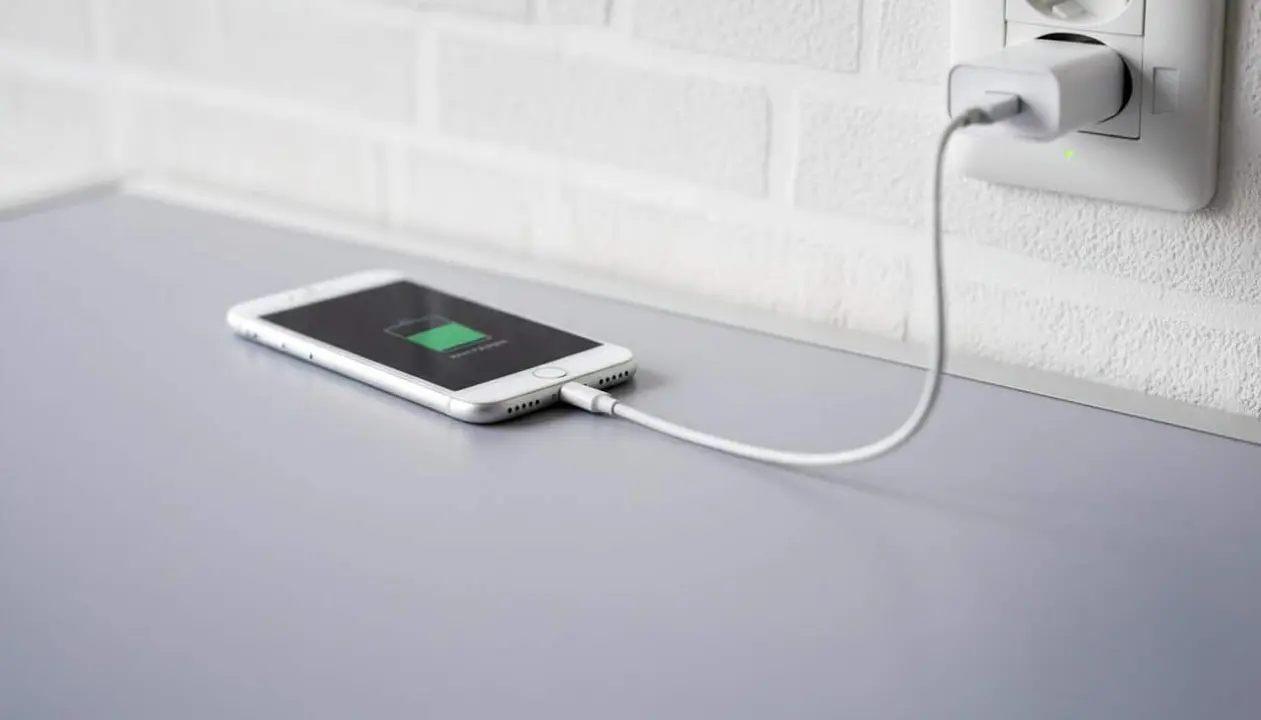

Any given day, you connect your phone to charge it and you may never have wondered if the order in which you connect the charger and the device really matters. Well, it does have a direct impact on the lifespan of your device and on charging safety.
Technology experts warn that the way we link the phone and the charger can prevent or cause problems such as sparks, battery capacity loss, and even mechanical damage to the connectors. I'll explain why and how to do it right so you don't have to regret it.
How to connect the phone to avoid electrical and mechanical damage
The correct order to protect the battery and device
The main recommendation is clear: first connect the charger to the power outlet and then link the cable to the phone. This order allows the electrical flow to stabilize inside the charger before reaching the device.
If you do it the other way around, that is, first connect the cable to the phone and then the charger to the outlet, the internal circuits receive direct voltage spikes that can accelerate wear and reduce battery capacity in the medium and long term.
The risks of incorrect connection
Connecting the components in a disordered way generates a potential difference that causes small invisible but very harmful sparks. These can cause oxidation and corrosion on the metal terminals, especially in humid or dusty environments.
In Lightning connectors, it is common to see the connector change color and lose conductivity, while in USB-C the accumulation of dust and poor insertion wears down the contacts mechanically.
Disconnection protocol and habits to preserve the battery
How to disconnect to avoid feedback spikes
When you finish charging the phone, you should follow this order: first disconnect the cable from the device and then unplug the charger from the outlet. This prevents feedback spikes and residual sparks that can damage the charging port.
Also, a proper circuit closure makes the whole process safer and helps extend the lifespan of the components.
Tips to care for the battery and equipment
- Keep the charge between 20% and 80% to avoid stress on the lithium cells.
- Do not leave the phone connected all night to prevent overheating and thermal stress.
- Always use original or manufacturer-certified chargers and cables.
- Unplug the charger when not in use to prevent overheating or unnecessary consumption.
How to avoid connector wear and ensure safety
Factors that accelerate deterioration of ports and cables
The combination of poor connection practices with dust and humidity causes connectors to deteriorate faster. This makes the phone need specific positions to charge or causes the cable to heat up and fray.
Therefore, it is advisable to keep ports clean and handle the cable carefully to avoid premature breakage.
Benefits of proper handling
By following the order and care recommendations, you will prolong the life of your phone and its charging system. Also, you will minimize electrical and mechanical risks that often go unnoticed but, over time, can lead to unnecessary repair or replacement expenses.
Remember that a simple habit like connecting the charger first can make the difference between a durable device and one that degrades quickly.
The reality is that taking care of these details helps you save money and frustration, and enjoy your phone like the first day.