Google's secret submarine cables that revolutionize the Internet between America and Europe
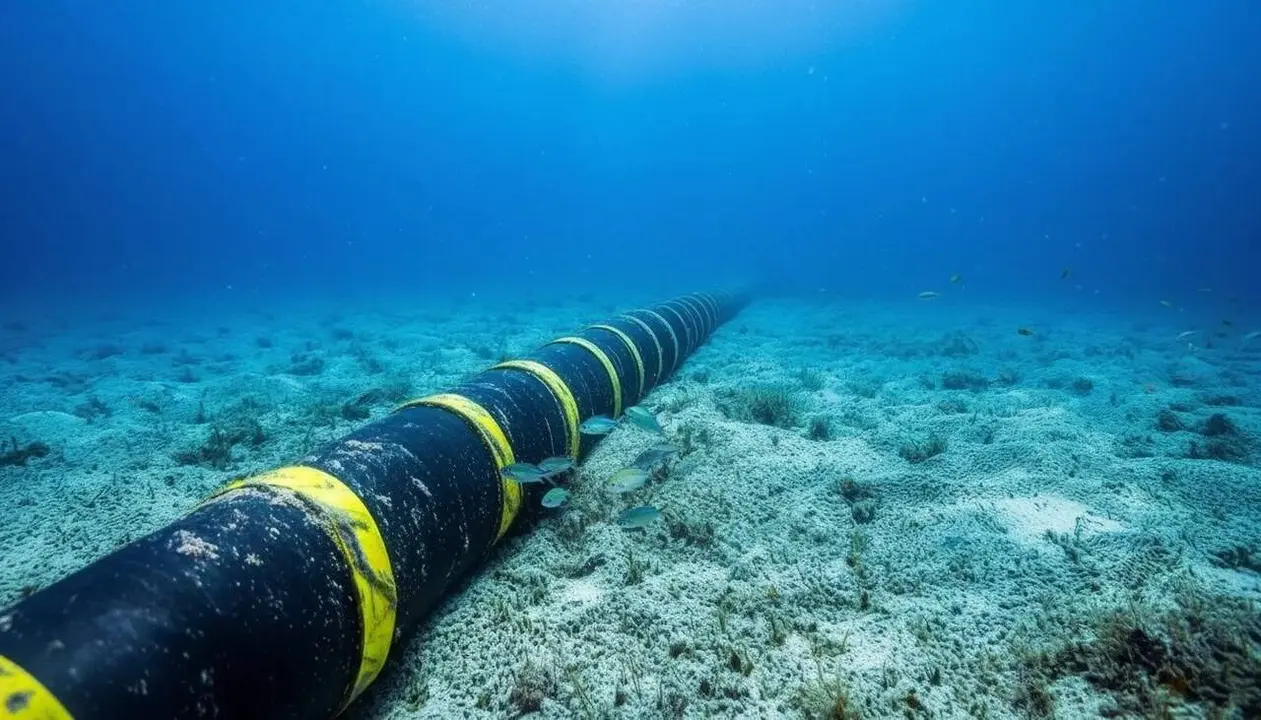

Google expands its submarine cable network with three new systems totaling more than 7,000 kilometers of fiber optic under the ocean, designed to improve capacity, reliability, and resilience of digital communications between America and Europe. This technological advance is key because most of the world's internet traffic depends on these cables, which carry everything from daily messages to cloud services and applications requiring stable and fast connections.
The information comes from the official Google blog, which details this new infrastructure within the network called Americas Connect.
The three submarine cables that will transform connectivity
What is the Alisios cable and what connection does it establish?
Alisios is the first of the cables and will connect the Dominican Republic, Panama, and Chile. Its name refers to the trade winds, symbolizing the smooth flow of data through this new submarine route. This connection will strengthen traffic between Central and South America, providing greater capacity and various alternatives for information flow.
How does Canoa work and which points does it link?
Canoa links the Dominican Republic with Bermuda and integrates with other cables like Nuvem and Sol to create routes reaching the United States and Europe, including the Google Cloud region in Madrid. The name, inspired by the Taíno language, honors the maritime tradition of the Caribbean and the North Atlantic, and its goal is to guarantee more stable and diverse connections.
What role does the OlaLuz cable play in digital communication?
How does OlaLuz connect the Dominican Republic and Florida?
OlaLuz directly links the Dominican Republic with Florida, combining the words 'wave' and 'light' to highlight the technology that transmits data by light signals through submarine optical fibers. This connection will strengthen communication capacity between the Caribbean and the U.S. East Coast, improving data efficiency and speed.
Why does this new infrastructure improve the network in the Caribbean and America?
In addition to these cables, Google will expand Firmina, a submarine cable system that connects North and South America, with a branch reaching the Dominican Republic. This will reduce dependence on limited routes and provide more capacity and alternatives for digital traffic, especially in high-demand areas like the Caribbean and the Pacific coast.
How does this network affect users and businesses?
What advantages does Americas Connect offer for connectivity?
Americas Connect is designed as a network of alternative paths that increases the reliability and scalability of digital communications. With this infrastructure, the risk of service outages due to failures in specific cables is minimized, and capacity is improved to absorb the constant growth of data.
Which regions and data centers benefit directly?
The links between Chile, Panama, and the U.S. West Coast will connect Google Cloud data centers in Chile, Los Angeles, and Las Vegas, while connections to the Caribbean and the U.S. East Coast will improve coverage and speed for users and businesses between these areas and Europe with the Madrid region.
- Check if your connection passes through any of these routes (especially if you use services in America and Europe).
- Consult official Google news to confirm the progressive activation of these cables.
- Pay attention to possible improvements in speed and connection stability in the indicated areas.
| Platform / Region | Connectivity with new cables | Main benefits |
|---|---|---|
| Caribbean (Dominican Republic) | Alisios, Canoa, OlaLuz and Firmina branch | New routes, more capacity and less dependence |
| South America (Chile) | Alisios and connection with Panama | Improved traffic on the Pacific coast |
| U.S. East Coast (Florida) | OlaLuz | Direct connection with the Caribbean and improved speed |
| Europe (Madrid) | Combined route with Canoa and other cables | Reliable access to Google Cloud and digital services |
To keep this connectivity secure and stable, it is essential to keep devices and services updated, enable two-factor authentication (2FA), and periodically review access permissions. It is also advisable to make regular backups to avoid data loss in case of incidents.
If you notice significant delays or frequent outages, especially in services depending on these routes, it is recommended to consult with a network expert or the service provider to rule out major issues.
With this new submarine infrastructure, Google not only strengthens its technological presence but also ensures that the network supporting the digital economy is more resilient and prepared for the future.
Frequently Asked Questions
- Why are submarine cables important for the Internet?
- These cables carry most of the world's data traffic, ensuring fast and reliable connections between continents.
- When will the new Americas Connect network be operational?
- Google has announced the infrastructure, but full deployment will take place gradually according to needs and activation of each cable.
- How can I know if my connection has benefited from these new cables?
- The improvement will be noticeable in areas like the Caribbean, South America, and the U.S. East Coast, especially in speed and stability when using Google Cloud services or international connections.