30 years of the Nokia 9000 Communicator: the First smartphone that changed telephony
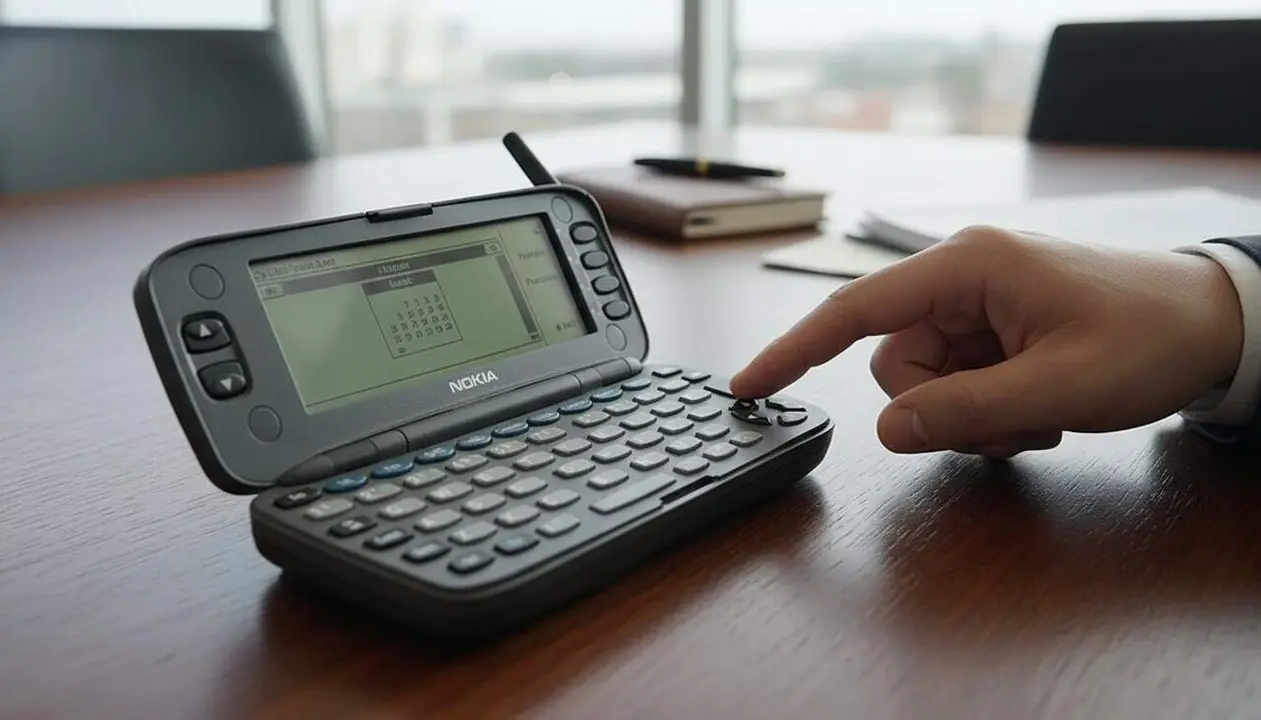

The Nokia 9000 Communicator was the real beginning of smartphones, long before Apple introduced the iPhone. This device, launched in 1996, offered advanced features such as email, fax, and internet access with a built-in modem, all in a foldable format that became a "pocket office."
The considerable weight and high cost did not prevent its innovative design and capabilities from making it iconic and a symbol of innovation in mobile telephony.
The Birth of the First Smartphone
What Made the Nokia 9000 Communicator Special?
The Nokia 9000 Communicator combined a mobile phone with a miniature personal computer. It had a full keyboard, a 4.5-inch screen, and allowed management of emails, faxes, and documents—functions we now consider basic but were revolutionary at the time.
Who Was It Designed For?
Mainly for professionals and executives who needed to stay connected and work anywhere. Its price and size made it less accessible for the average user, but it opened the door to smart telephony for business.
Nokia’s Legacy in Mobile Telephony
Why Did Nokia Stand Out After the Communicator?
Despite limited sales of the first model, Nokia consolidated its position as the world leader in mobile phone manufacturing in 1998, surpassing Motorola. In 2007, it reached its peak with over 40% of the global mobile phone market.
How Did the Nokia 9000 Influence the Industry?
It was a pioneer that demonstrated the possibilities of mobile devices beyond calling, moving toward the convergence of functions and multifunctionality that define today’s smartphones.
The Change After the iPhone and the Impact on Nokia
What Did the Arrival of the iPhone Mean?
The iPhone, also launched in 2007, revolutionized telephony with touchscreens and an application ecosystem. This caused radical changes in the industry, which Nokia and other leaders failed to adapt to in time.
Why Did Nokia Lose Prominence?
The difficulty in adapting to new technologies and operating systems caused Nokia to lose market share until it sold its mobile business to Microsoft in 2014, focusing thereafter on telecommunications.
- Check if your Nokia device has a full keyboard and foldable screen
- Verify if the operating system version is the first of Symbian
- If your phone has fax functions and internet access via built-in modem, it is a model from the 9000 series
- The initial weight was close to 400 grams, much more than current smartphones
| Model / Year | Outstanding Feature | Market Impact |
|---|---|---|
| Nokia 9000 Communicator (1996) | Foldable screen, integrated email and fax | First smartphone, business use |
| Nokia 9210 Communicator (2000) | Color screen and more power | Improvement of the original model |
| iPhone (2007) | Touchscreen and application ecosystem | Radical change in the industry |
To maintain the security and functionality of mobile devices, it is key to update operating systems whenever possible, enable two-factor authentication (2FA), review app permissions, and perform periodic backups.
Pay attention to signs of malfunction or data loss and, if needed, consult a professional. The story of the Nokia 9000 Communicator reminds us that innovation drives change, but adapting is essential for survival.
Frequently Asked Questions
- What made the Nokia 9000 Communicator unique?
- It was a foldable device that combined a phone and mini computer with integrated email, fax, and internet functions.
- Why did Nokia lose its dominant position?
- Because of its difficulty adapting to the touchscreen revolution and new operating systems with application ecosystems.
- What impact did the Nokia 9000 have on telephony?
- It was the first smartphone that opened the door to modern smart telephony and influenced future generations of mobile phones.