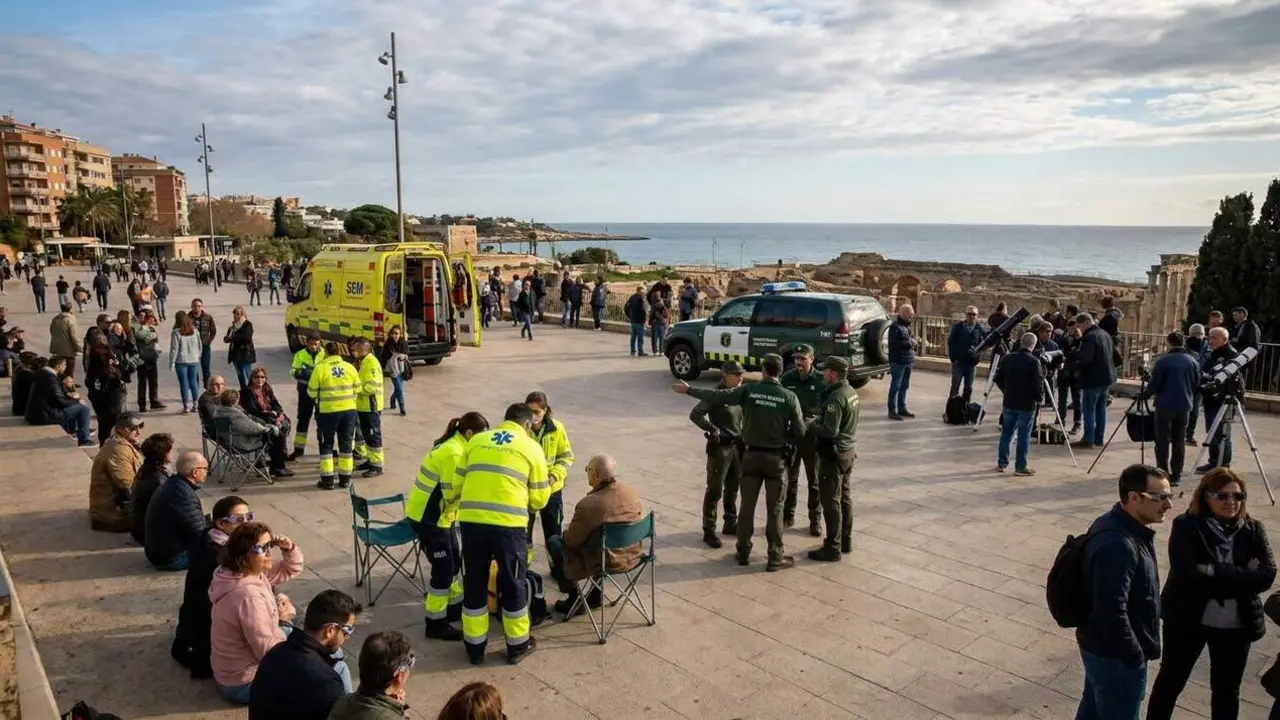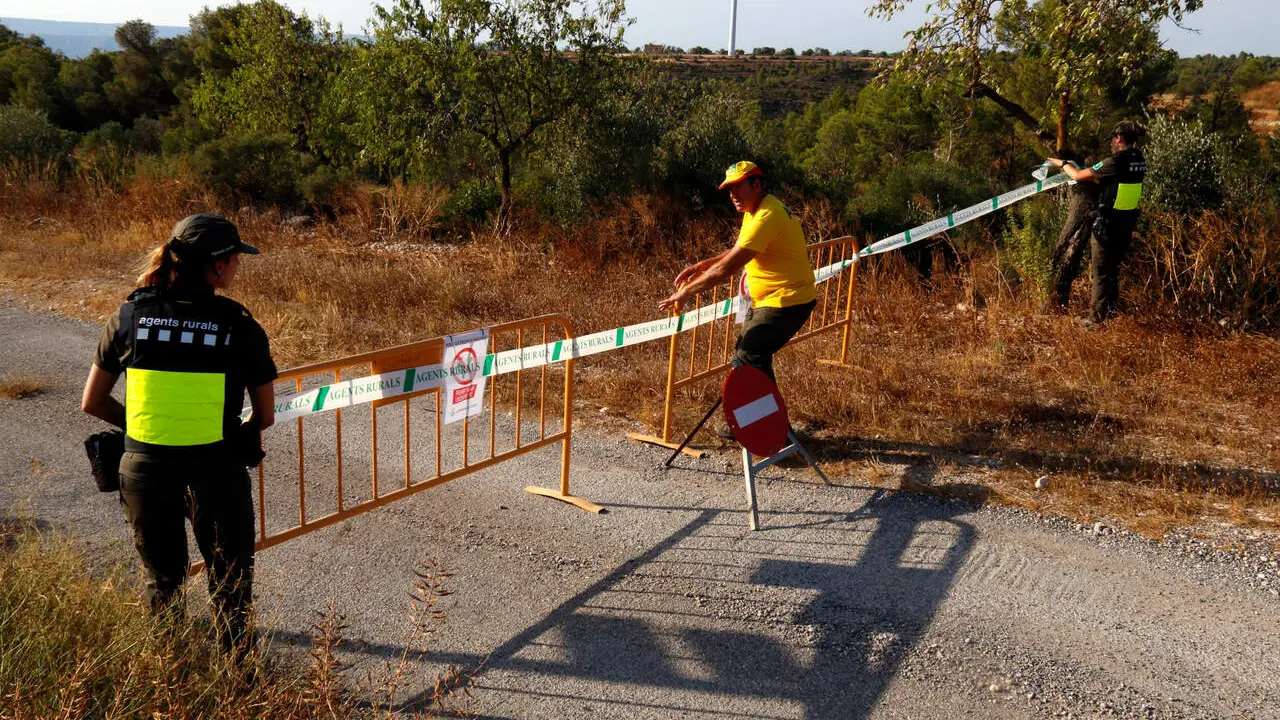
Manel Nadal admits the collapse in Rodalies on the day of the eclipse and describes the communication as "inadequate"
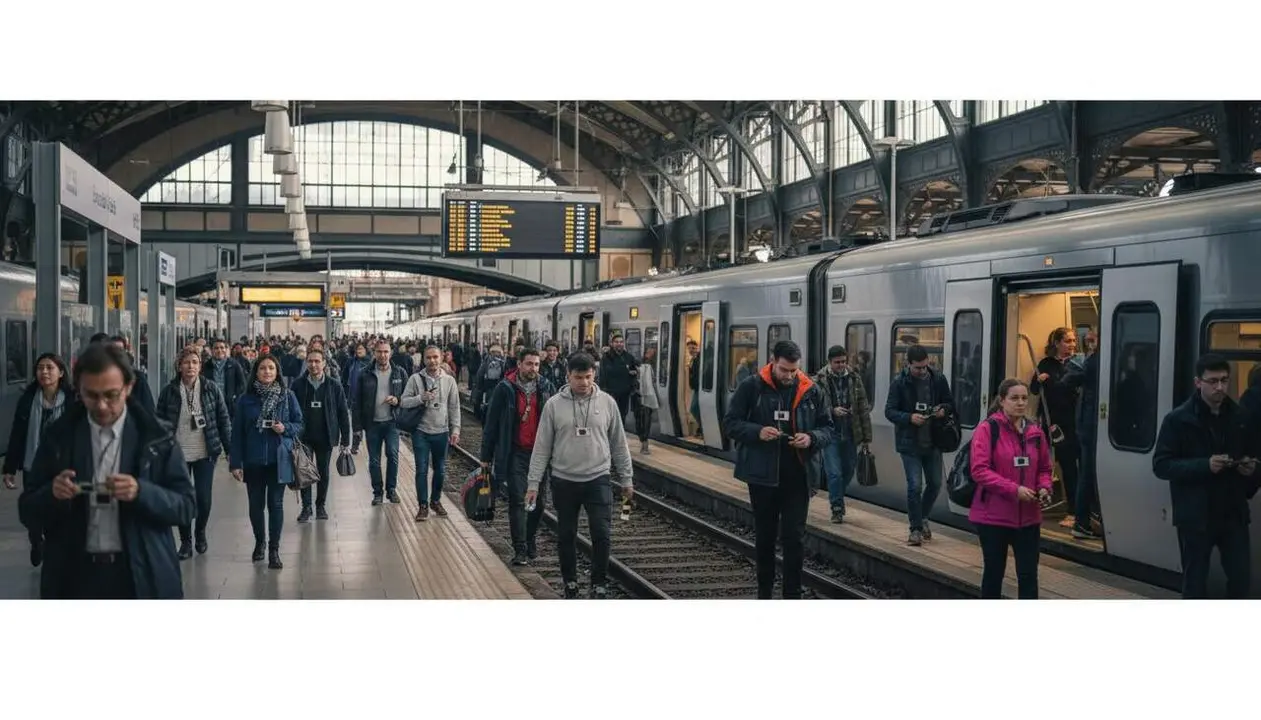

Manel Nadal has acknowledged a collapse on Rodalies southbound on the day of the eclipse, attributing it to poor public communication. Nevertheless, he argues that the return from Tarragona was carried out in an orderly manner and that the train offerings were sufficient.
The Secretary for Mobility and Infrastructure admitted that the information about the need to stagger travel was not transmitted well enough, particularly regarding public transportation, which caused a large crowd between 4:30 p.m. and 6:30 p.m. at Rodalies.
Managing the collapse on Rodalies during the eclipse
Why was communication key in the problem?
Communication was inadequate because the call to stagger travel focused on private transport and not trains. This caused overcrowding at very specific times, generating a collapse that, according to Nadal, could have been avoided with more information about train capacity and composition.
What incidents complicated the situation?
Besides the collapse due to the concentration of passengers, an incident on the tracks and an alarm triggered on a train worsened the situation, further hindering circulation and service management.
Supply and demand of transportation during the eclipse
Was the train supply sufficient for the event?
According to Nadal, the supply was adequate: more than 20 double-composed trains were deployed, and three R11 line trains were assigned to the southern corridor, in addition to a special train from Tortosa. Some of these trains departed almost empty, as many chose to stay in Tarragona.
How was the return from Tarragona managed?
The return was carried out in an orderly manner. The government, coordinated with Mossos and Rodalies, closed the station to avoid problems and ordered that buses be added if necessary. In the end, they were not needed, and an extra train was set for the early morning that acted as a "sweeper train."
Lessons after the collapse
What has Manel Nadal acknowledged about the management?
He has acknowledged that adequate information was not given about the need to stagger public transport use nor about train capacity. He insists that the forecast was correct, but the operation was not adequate because people did not arrive on time or traveled under complicated conditions.
What measures should be applied to avoid future collapses?
It would be necessary to provide better and earlier information about the composition and capacity of trains, as well as to emphasize much more the staggered use of public transport, not just private, to avoid overcrowding at specific moments.
The case of the collapse on Rodalies during the eclipse highlights that, despite having a sufficient number of trains, the lack of clear and specific communication can cause the system to fall apart. The reality is that passenger flow management depends as much on supply as on the information users receive. Without this key piece, even the best planning can fail.
Source of the article: Editorial staff / Catalan News Agency