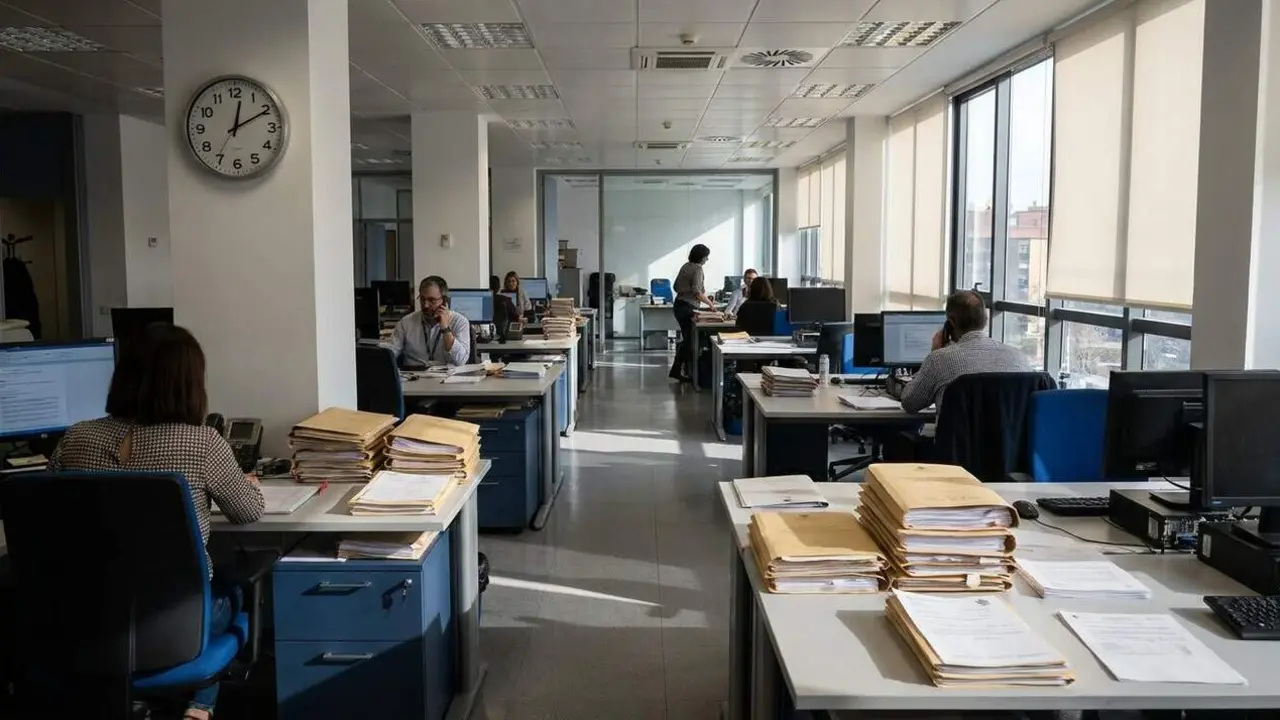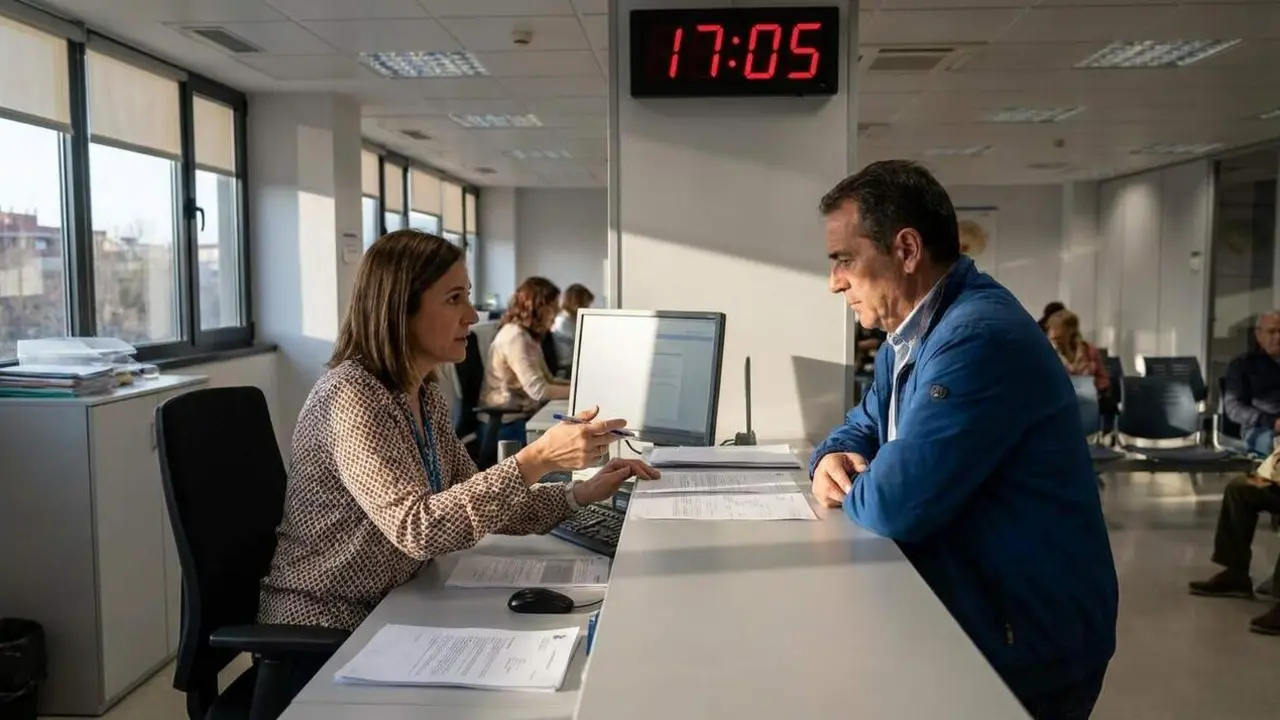
Why the current pension system in Spain will not hold up in the near future


The current Spanish pension system is hitting rock bottom. The combination of low wages, less available work, and a population that will stop growing is forcing a change that no one wants to openly acknowledge.
Experts warn that very soon it will become public that Spain does not need the same amount of people as it does now. Technology, with its unstoppable invasion, is making human contribution obsolete in many sectors, directly affecting the viability of the pension system as we know it.
The reality of wages and pension sustainability
The most common wage: an invisible obstacle
Although the average gross annual wage in Spain is often cited as €26,900, the reality is much harsher: the most common wage is nearly half that, around €14,586 gross per year. This means that the contribution collection from most workers is very limited.
With such tight salaries, the system’s capacity to finance decent pensions drastically decreases. While current retirees receive pensions based on contributions from more prosperous times, younger generations contribute very little, fueling an imbalance that grows year after year.
Pension expenses devouring the economy
Monthly spending on contributory pensions already exceeds €12.7 billion, absorbing more than 12% of Spain’s GDP. This figure is not only alarming but also reveals a system consuming resources faster than it can generate them.
The combination of low wages and a non-growing population, coupled with the increasing number of retirees, makes this situation unsustainable. The system is at a critical point.
Technology that cuts workforce needs and contributions
Machines replacing workers
Productivity no longer depends on the number of people working but on technological capacity. Automation and artificial intelligence are taking on jobs that were once exclusively human.
When companies can produce more while spending less on staff, the demand for jobs falls and, therefore, Social Security contributions decrease as well. It is a vicious cycle that endangers the viability of the current pension system.
The pending debate: should technology contribute?
This issue has already reached European bodies, which have proposed the possibility of imposing a tax on machines or robots to compensate for the loss of revenue from contributions.
Ideally, this tax would serve to finance a universal basic income intended for those workers affected by technological substitution. However, pressure from industrial sectors has so far halted these measures due to fears that Spain might lose international competitiveness.
Toward a new social and economic model
Universal basic income as a solution?
Job losses due to technology make clear that the current model is not viable. Since robots neither consume nor contribute, profits concentrate in few hands, while the middle class weakens.
For this reason, many believe that the new path will be to guarantee a universal minimum income, financed by taxes on high technological productivity.
A future with fewer people and a smaller State
Studies point to a scenario with a smaller population, low wages, and a State that will have to cut its weight in the economy. This represents a radical change from what we have experienced so far and forces us to prepare for a very different society.
The pension system, as we know it today, seems doomed to profound reform or inevitable failure.
The reality is that Spain faces a dilemma no one wants to face: fewer people, less work, fewer contributions, and the need to rethink how we protect our retirees. And no magic or empty political speech will fix this.