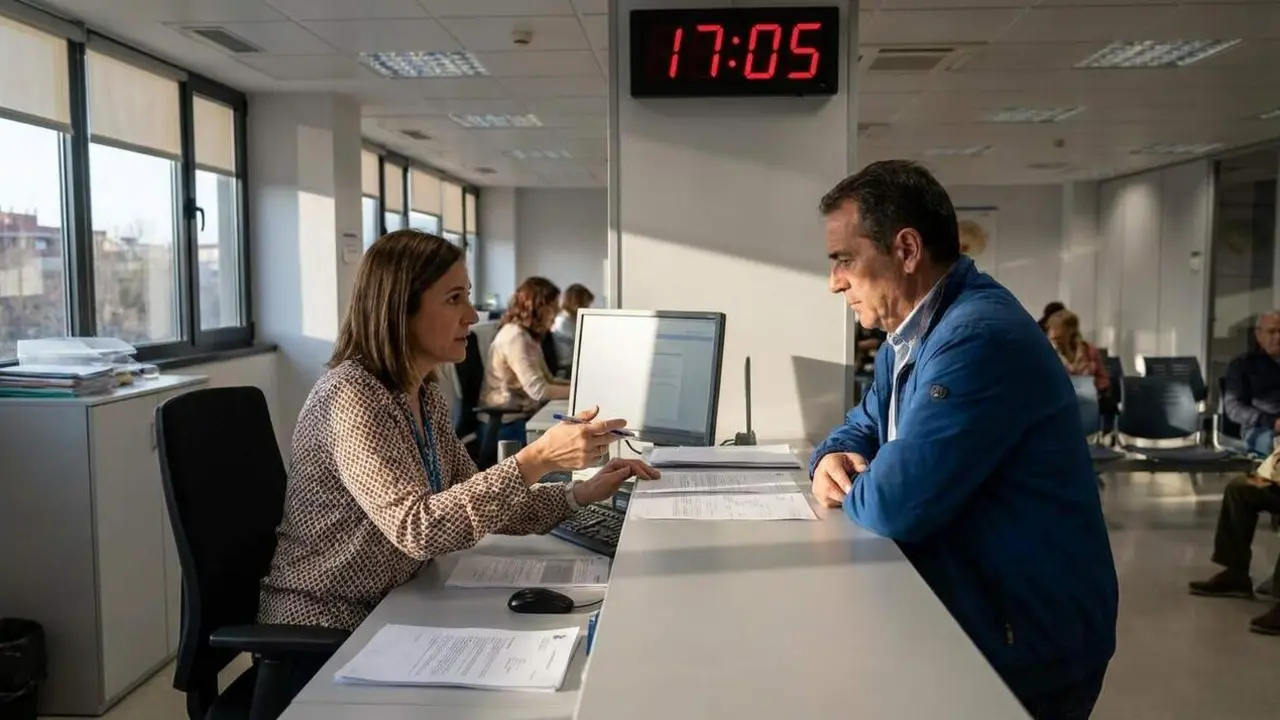
3 million self-employed workers will be able to invoice for free with the new app from the Tax Agency


The new invoicing application from the Tax Agency will allow nearly three million freelancers to issue electronic invoices at no cost. This tool facilitates compliance with new tax obligations with a system adapted to Verifactu and QR code integration.
Many freelancers and small businesses will see this public initiative as a direct saving and a response to mandatory digitization, but the challenge will be to ensure effective and accessible implementation for everyone.
What does the new application bring to Freelancers and why does it matter?
How does the new app benefit Freelancers?
The new app offers free issuance of electronic invoices with automatic registration according to Verifactu and a verifiable QR code, saving costs on invoicing programs.
For freelancers with low or medium billing, this service represents an economic and technological relief, as they will not have to pay for external tools or adapt complex systems.
Why is this change relevant for the entire business fabric?
The initiative covers approximately 80% of individual freelancers and more than 60% of small companies, which make up the majority of the sector. This represents a massive impact on Spain's fiscal digitization.
For UPTA, digitization with Verifactu can be a turning point in the fight against fraud and equality between businesses, provided that fair and consistent implementation is guaranteed.
What challenges does the implementation of the application present and how can they be overcome?
What obstacles might Freelancers encounter in adapting to the new app?
Many professionals may have difficulties with digital tools and need specific training to avoid errors and doubts during the transition to Verifactu.
UPTA calls for an official information and assistance program to ensure that no one is left behind in this regulatory change.
How can the Administration ensure the platform works smoothly?
Before the final implementation, it is necessary to ensure technical and organizational robustness so that the solution is stable and effective from day one, preventing collapses or new administrative burdens.
A reliable system is key not to turn the tool into a problem, but into real support for freelancers who want to comply properly.
How can the benefits of digitization be expanded beyond invoicing?
What is UPTA's vision on digitization and fiscal control?
UPTA advocates that digitization should extend to other economic areas to increase transparency and avoid the underground economy, with coherent measures for all professional groups.
Equality in digital obligations reinforces trust and prevents unfair advantages between businesses with different tax regimes.
Why is coherence in digital tax obligations key?
If most freelancers have a system that allows immediate control, it makes no sense for some to be left out without similar control mechanisms.
Forcing telematic payments and collections for exempt groups would strengthen traceability and the fight against tax fraud.
| Aspect | Detail |
|---|---|
| Target user | Individual freelancers and small companies with low or medium billing |
| Key functions | Free issuance of electronic invoices, automatic Verifactu registration, QR code |
| Estimated impact | Coverage of 80% of freelancers and 60% of small companies |
| Challenges | Training, technical assistance, and platform stability |
| Additional objectives | Fight tax fraud and underground economy, equality between businesses |