Why keeping cash at home is the key to weathering unexpected emergencies
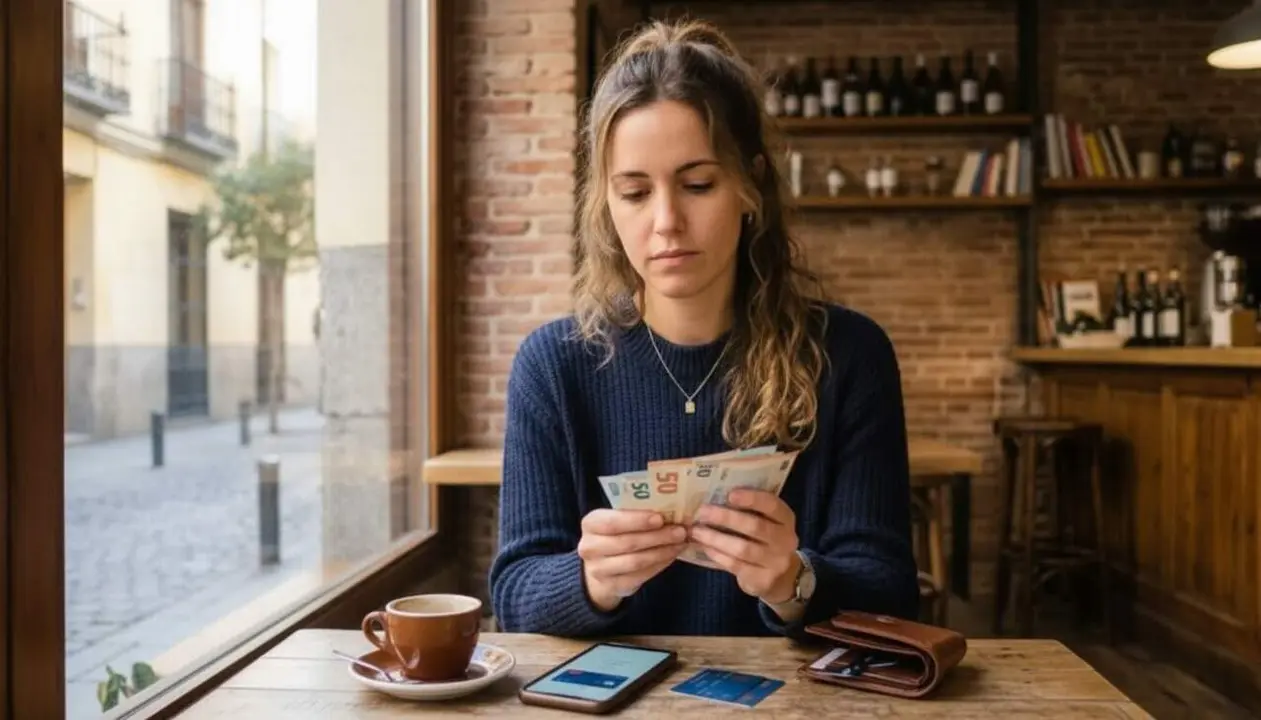

Keeping a small amount of cash at home can be vital in an emergency that renders digital and banking systems inoperative. This is the conclusion that various European governments have begun to communicate to their populations to ensure that no one is left without resources for basic needs if there is a service outage.
The growing dependence on electronic payments means that a simple power outage or cyberattack can temporarily block access to money. Therefore, having a cash reserve allows maintaining the ability to pay for food, medicine, and other essential expenses during the critical first days.
How much cash is recommended?
How much cash should be kept at home?
The suggested amount varies according to authorities and country, but it ranges around 70 to 100 euros to cover approximately 72 hours of basic expenses. This amount should be adjusted according to the number of household members and their particular needs.
Why only a limited amount?
The idea is not to accumulate large sums of money, which could pose security risks or losses, but to have just enough to survive a few days while regular services are restored. This prevents people from having to rely exclusively on ATMs or digital payments, which may fail in extreme situations.
What scenarios can put digital payments out of service?
What risks can affect the digital financial system?
Main scenarios include widespread power outages, extreme weather events, geopolitical tensions, and cyberattacks. These can interrupt Internet connectivity, communications, or the network processing payments, rendering bank cards and applications unusable for hours or days.
Is this a banking solvency problem?
No. The problem is not bank solvency but the temporary failure of the technological infrastructure that enables digital transactions. For this reason, cash becomes a secure and immediate alternative to cover urgent expenses.
How is this recommendation addressed in different European countries?
What does Sweden do in this regard?
Sweden recommends having enough cash to cover one week of home purchases. This preparation involves having different payment methods available and reducing dependence on a single system, facilitating the purchase of food and medicine if digital payments fail.
What stance does Spain take?
In Spain, there is no single official figure, but European and local authorities agree on recommending having a cash reserve for at least 72 hours. The message is clear: do not distrust banks but prepare for exceptional situations where cash is key to maintaining financial autonomy.
How to prepare for emergencies with cash at home?
- Calculate an amount that covers basic household needs for three days (food, medicine, transport, and basic communication).
- Keep the money in a secure but accessible place, avoiding large sums that could pose a risk.
- Maintain bills and coins of various denominations, especially small ones, which facilitate payments in scarcity situations.
- Periodically review the state of this reserve and update it according to changes in family needs.
What mistakes should be avoided?
- Do not accumulate large amounts of money that are unnecessary, as they pose a risk of theft or loss.
- Do not rely solely on one digital payment method but diversify alternatives.
- Avoid leaving cash in unsafe or unknown places for other family members.
- Do not forget to update the reserve when needs or household size change.
What to do if you do not have cash?
Try to save a minimum amount as soon as possible. In case of emergency, seek alternatives that allow access to cash, such as family or friends, while digital systems are restored.
The reality is that having a limited cash reserve is a simple yet vital measure for home preparedness against emergencies affecting banking and technological infrastructures. It is not a call to withdraw savings but to have a temporary solution that guarantees access to basic resources during critical moments.
Remember that this reserve should cover at least 72 hours of basic expenses. If not done, in case of an emergency affecting digital systems, acquiring food or medicine may be difficult. Maintain this practice as part of family safety management.
Frequently Asked Questions
- How much cash should I have at home to be prepared?
- It is recommended to have between 70 and 100 euros to cover basic expenses for at least 72 hours, adjusting according to family size.
- Why are digital payments not enough?
- Digital systems can fail due to power outages, cyberattacks, or disasters, temporarily disabling bank cards and applications.
- Does keeping cash mean distrust of banks?
- No, it is a punctual preparedness measure for emergencies, not a sign of distrust towards banks nor an invitation to withdraw savings.