
How to postpone the payment of the 2026 Income Tax if you do not have sufficient liquidity
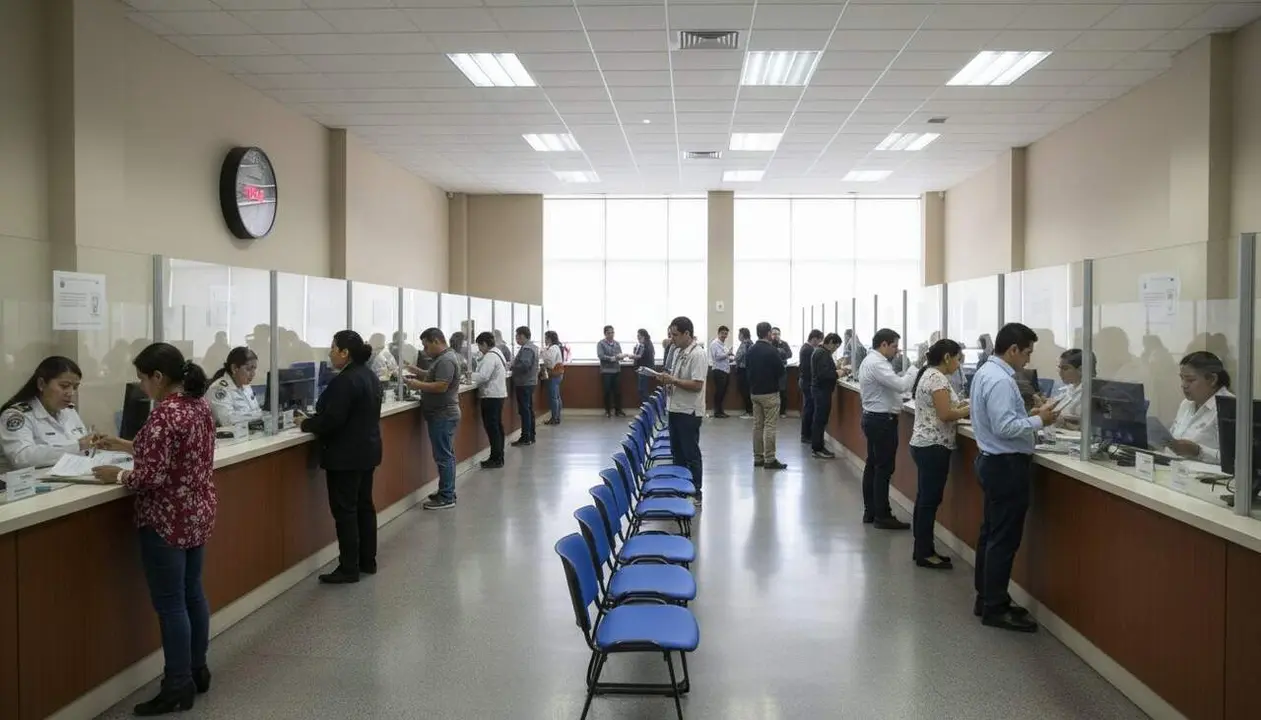

Thousands of taxpayers find themselves trapped without money in the middle of the 2026 Income Tax campaign. It is not just a matter of numbers, but of how to face a payment that can destabilize any household economy.
The Ministry of Finance has opened the door to deferrals, provided that a lack of liquidity is proven, but at a cost: the interest, which this year rises to 4.0625% annually, is not free.
Options to avoid falling into a financial hole with the Income Tax
Deferrals: a costly relief
The Treasury allows taxpayers to request a payment deferral when they do not have the resources to pay the full amount. This measure serves to avoid the immediate impact but involves a cost: late payment interest.
It is the Tax Agency itself that evaluates case by case, ensuring that the economic problem is temporary. Without this proof, the deferral is not granted. The procedure is done online from AEAT’s Electronic Headquarters, with digital certificates or Cl@ve, since not everyone is prepared for this digital bureaucracy.
Payment methods: from installment plans to deferrals
The system allows splitting the payment into two installments without interest: 60% when filing the return and the remaining 40% before June 25. This is the most popular option, especially for those who can pay in installments without additional costs.
But when the pocket does not allow it, the only option left is deferral, the last resort that does not avoid the extra burden of interest. There are also alternatives such as direct debit, in-person payments, or through Bizum, but these imply settling the full amount without deferrals.
Why the return may result in a payment and not a refund
Low withholdings and other fiscal traps
That the return comes out to pay is not a mistake, but a fairly common inconvenience. It happens when IRPF withholdings have been too low during the year, leaving more money each month but a pending bill when it’s time to settle.
Factors such as having multiple payers, receiving public aid, withdrawing pension plans, or salary changes that disrupt the withholding calculations also influence.
Who is obligated to file the return
Anyone earning more than 22,000 euros from a single payer or more than 15,876 euros if there are several is obligated to file. Freelancers and recipients of unemployment benefits are also fully included.
Experts recommend always filing to avoid later problems. And don’t forget to keep all receipts for at least four years in case the Treasury decides to review your return and impose fines that can range from 150 to 6,000 euros.
How to plan and what to do to avoid surprises
Anticipate the payment to avoid falling into a hole
Having a return to pay can be a hard blow if unplanned. Therefore, including this payment in the annual planning or having a small savings cushion for these obligations can ease strong financial tensions.
It is a way not to be caught off guard and to prevent the payment from unbalancing the family or personal budget, often just when it is least affordable.
The cost of interest and digital bureaucracy
It must be kept in mind that deferring the payment is not free. The annual interest of 4.0625% can turn a small debt into a bigger problem if not controlled.
The process to request the deferral is neither immediate nor simple, it requires digital identification and verification that the case meets the requirements. It is not an open door for everyone, but for those who really cannot face the payments right now.
The reality is that the Treasury provides some breathing room, but does not give away a single euro.