How to apply for a pension if you were born between 1960 and 1970: everything you need to know
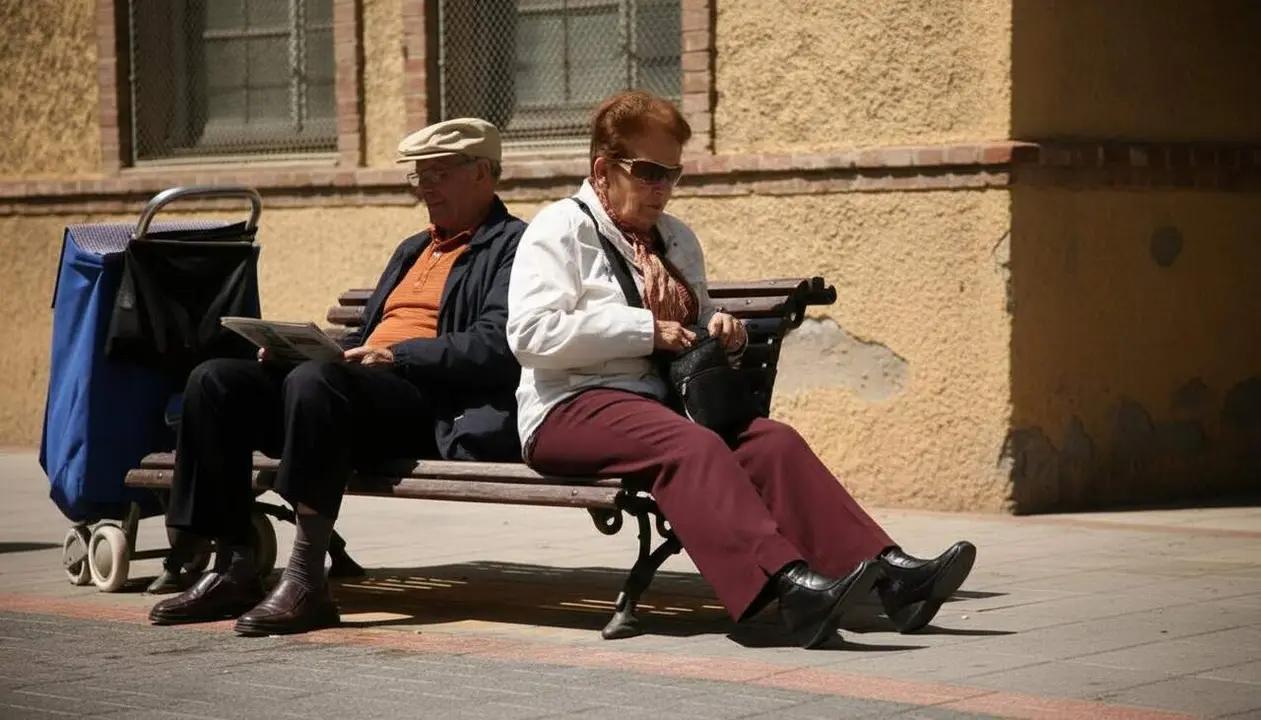

People born between 1960 and 1970 will have to retire at 67 years old and have contributed at least 38 years and 6 months to receive 100% of the pension. This new reality affects thousands of workers who must understand the changes to plan their retirement.
Social Security has introduced a new pension calculation system that modifies the years taken into account and applies penalties in case of voluntary early retirement. These measures are crucial for anyone approaching retirement age and wishing to optimize their benefit.
Changes and requirements for pensions of those born between 1960 and 1970
What does retiring at 67 years old mean?
For this age group, ordinary retirement is fixed at 67 years old starting in 2027. But it’s not just a matter of age: you must have contributed a minimum of 38 years and 6 months to collect 100% of the regulatory base. If you don’t reach this threshold, the pension is reduced, and you will have to wait until 67 years to receive the full amount.
How is the pension calculated with the new method?
There are two valid methods to calculate the pension:
- Traditional method: the last 25 years of contributions are taken into account.
- New method: the last 29 years are considered and the two worst years are discarded, which can improve the regulatory base.
Nevertheless, 100% of the regulatory base does not guarantee the maximum pension, due to the Intergenerational Equity Mechanism (MEI), which adjusts pensions to balance the impact of the massive retirement of this generational group.
Types of retirement and how they affect those born between 1960 and 1970
What retirement options are there?
Those born between 1960 and 1970 can manage their retirement through five recognized modalities:
- Early retirement: allows retiring earlier but with financial penalties. It can be voluntary or forced, and there are special options for certain groups such as police officers or firefighters.
- Partial retirement: combines part-time work with receiving a portion of the pension, facilitating transition.
- Active retirement: allows working while receiving part or all of the pension if self-employed with an employee under their charge.
- Flexible retirement: for pensioners who return to work part-time, supplementing income or generating new contributions.
- Deferred retirement: financially rewards those who delay retirement while maintaining their work activity.
How does voluntary early retirement affect you?
In this case, the pension is reduced by applying reduction coefficients directly to the amount. Those born between 1960 and 1970 must carefully consider this factor, since advancing retirement can mean a significant loss of income during the rest of life.
How to apply for the pension and common mistakes to avoid
What documents are needed?
To process the pension, you must have:
- Valid identification document.
- Work life certificate.
- Information about contribution periods and contracts.
- Documentation proving age and employment situation.
What steps should be followed to apply for the pension?
- Check that age and contribution requirements are met.
- Gather all the necessary documentation.
- Submit the application through Social Security, either in person or electronically.
- Provide additional documents if required.
- Wait for the official resolution.
What mistakes should be avoided?
- Not applying for the pension with sufficient advance notice, as the process can take weeks.
- Omitting contribution periods or essential documents.
- Confusing types of retirement and their financial consequences.
- Not considering penalties in case of voluntary early retirement.
Remember that the deadline to apply for the pension is key to not losing rights. Missing deadlines can result in payment delays or loss of some benefits. Therefore, anticipating and informing oneself well is the best strategy.
The reality is that the changes in retirement for those born between 1960 and 1970 imply rigorous planning and good knowledge of the requirements to obtain the full pension. Knowing the different types of retirement and their implications is essential to make the right decisions at this crucial moment.
Frequently Asked Questions
- When can I retire if I was born in 1965?
- You can retire starting at 67 years old, provided you have contributed at least 38 years and 6 months to receive 100% of the pension.
- What is the difference between the traditional and the new method of calculating the pension?
- The traditional method considers the last 25 years of contributions, while the new one analyzes the last 29 years and discards the two worst years to improve the calculation.
- What happens if I decide to retire before the established deadline?
- If it is voluntary early retirement, the pension will be reduced by applying reduction coefficients directly to the amount, lowering the monthly payment.