Why will fruits and vegetables go down in price in Spain?

Spanish supermarkets are already beginning to notice a movement that will change the shopping basket. It is neither magic nor a temporary offer: fruits and vegetables could start to decrease in price due to a new trade pact.
But not everything will be immediate nor the same for all varieties: there are conditions and deadlines ahead that will set the pace of this price revolution. And, of course, the Spanish countryside is watching this new international competition closely.
The new EU-Mercosur agreement and its impact on prices
Since May 1, the free trade agreement between the European Union and the Mercosur countries has come into effect: Argentina, Brazil, Uruguay, and Paraguay. This agreement progressively eliminates tariffs on a wide range of products, including fruits and vegetables that often arrive in Spain from these regions.
According to sources from the European Commission, the immediate removal of levies below 5% already affects some tropical fruits such as melons, watermelons, and papayas. Those tariffs higher, ranging from 5.1% to 10%, will be reduced over a maximum period of four years, while those above 10% will be phased out within up to seven years.
Schedule and prioritization of tariffs
- Tariffs below 5%: disappear from day one.
- Between 5.1% and 10%: gradual reduction over four years.
- Above 10%: progressive elimination up to seven years.
Most affected products
The products that may see the most short-term price drops are melons, watermelons, papayas, and some citrus fruits from South America. Importing these fruits at more competitive prices will put direct pressure on local producers, especially during off-season periods for national production.
Reactions from the agricultural sector and protective measures
The Spanish agricultural sector has expressed concerns about the growing competition posed by this agreement, which could reduce profit margins for national producers. The situation requires adapting to new market demands and finding ways to maintain competitiveness.
However, the agreement also includes safeguard clauses that allow reintroducing tariffs if imports cause significant distortions in local markets or negatively affect prices over prolonged periods.
Environmental regulations and sustainability
Another important guarantee is the incorporation of the "zero deforestation" regulation, which limits the entry of products that do not meet certain environmental standards. This measure seeks to prevent competition at the expense of sustainability and protects both the environment and the reputation of European products.
Perspectives and balance
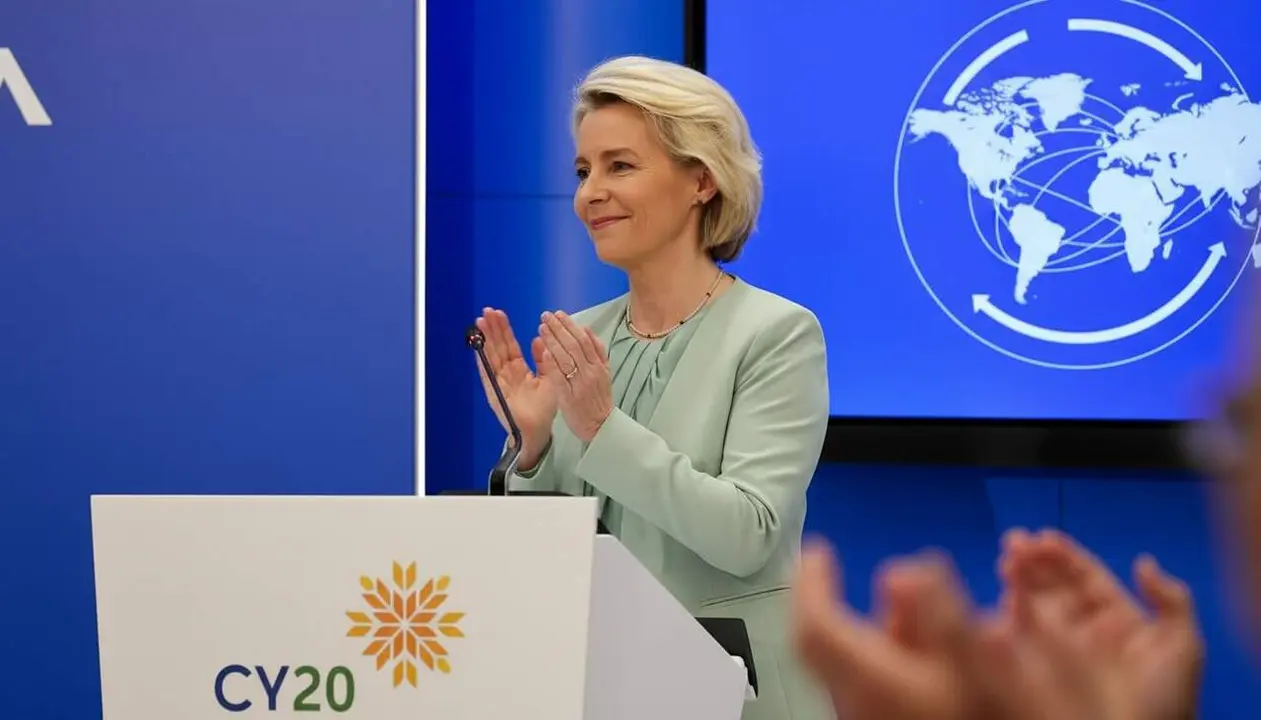
The President of the European Commission, Ursula von der Leyen, has defended that this agreement is good news for consumers and European farmers, as it opens new market opportunities and allows enjoying more affordable products without giving up quality or environmental respect.
Direct impact for Spanish consumers and markets
Citizens will mainly notice the possibility of finding tropical fruits and seasonal vegetables at lower prices, which may encourage consumption and diversify the usual shopping baskets.
Even so, the drop will be gradual and uneven depending on the products and areas, and competition will progressively intensify with the arrival of Mercosur products at more adjusted prices.
Changes in the market
Supermarkets are already beginning to adapt their offer with imported products at more competitive prices, which may alter the traditional dynamics of the sector and cause adjustments in both prices and supply.
Advice for consumers
- Be attentive to offers and compare prices between local and imported products.
- Prioritize quality and sustainability, especially in fresh products.
- Follow recommendations about the season to enjoy an optimal product.
Finally, it should be mentioned that the rise in competition through the EU-Mercosur agreement is a phenomenon that directly impacts not only prices but also the way the agricultural sector and Spanish consumers interact with their shopping basket. This transformation is already underway and will mark the near future of fresh products in our country.
For more detailed information about fruits and how this trend will affect prices, you can consult the specific analysis available.
And if you want to know the story of Frutas y Verduras Llúcia, a centenary reference in the sector, you will find a tale full of tradition and adaptation to new times.
The reality is that the interrelation between the European Union and Mercosur, with this agreement, has created a new reality in the agricultural market, a movement that will not only lower prices but also redefine competition and the sustainable approach in the production and consumption of fruits and vegetables.