Why Asturian cooks prefer to cook rice in water
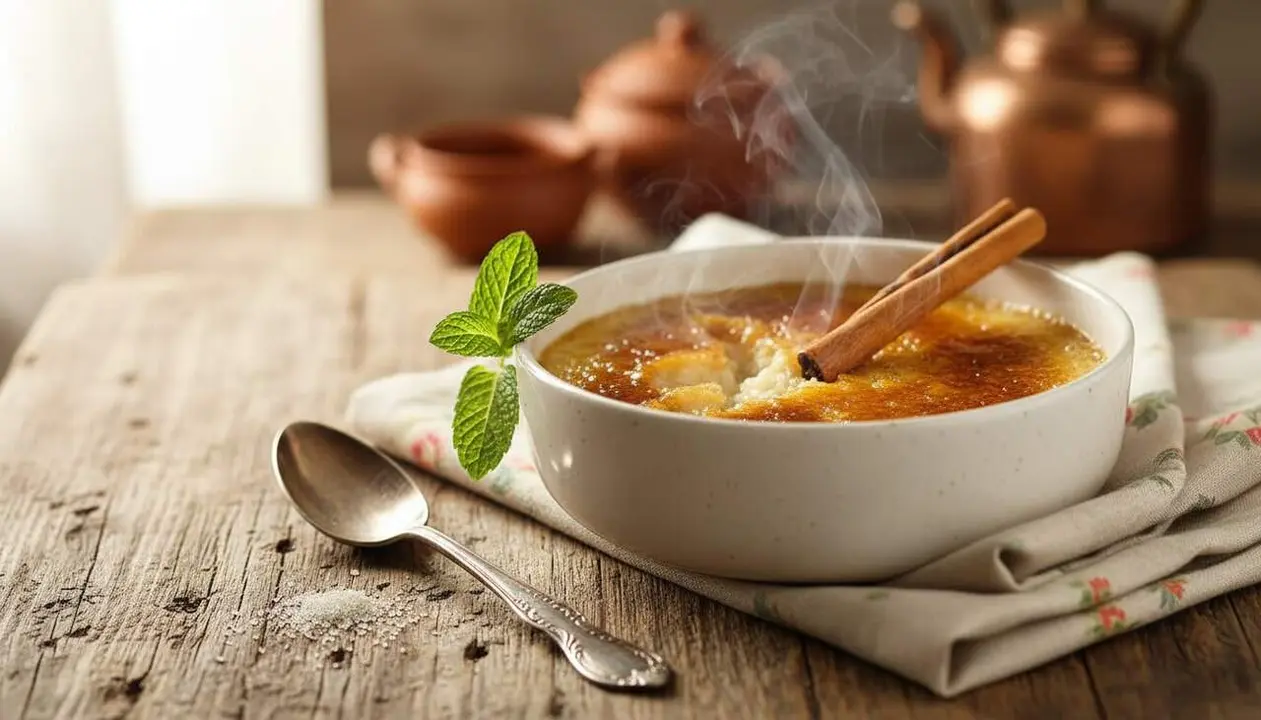

Asturian cooks agree that rice pudding is first cooked in flavored water before moving it to the milk to achieve the ideal texture. This technique, unknown to many, makes the difference between just any dessert and a classic of regional cuisine.
Although it seems simple, the order and the way the ingredients are incorporated determine the final result, making this dessert an art passed down from generation to generation.
The Asturian technique for rice pudding
⏱️ Cooking time: about 40 minutes approximately
🔥 Calories: around 250-300 per serving
👨🍳 Difficulty: medium
Why is the rice cooked first in water?
Cooks explain that cooking the rice in water flavored with cinnamon and vanilla helps eliminate excess starch and achieve a creamier, more integrated texture. This practice prevents the rice from becoming gummy, as often happens when it is cooked directly in milk.
Additionally, this initial step allows the rice to cook better and makes it easier to control the final texture, turning it into a smooth and pleasant dessert for the palate.
What happens if it is cooked directly in milk?
Cooking the rice directly in milk and adding sugar from the start makes the rice less cooked and less creamy. This is because sugar hardens the rice and makes it harder for it to absorb the milk properly. Therefore, most Asturian cooks prefer the technique of water first, milk later.
The difference is especially noticeable in the texture and in the blending of flavors, which becomes much more homogeneous and creamy.
Keys to achieving the perfect rice pudding
When is the sugar added?
This is a key point: the sugar is incorporated almost at the end of cooking, after adding the butter. This ensures that the sweetness blends without affecting the creamy texture of the rice, and the result is a dessert with a perfect balance between flavor and consistency.
The cooks at Casa Gerardo, a benchmark of Asturian cuisine, uphold this traditional practice passed down from generation to generation.
How is the surface caramelized?
An essential final touch is to burn a layer of sugar with a blowtorch to achieve a crispy crust that contrasts with the softness of the rice. This touch provides a texture contrast that elevates the gastronomic experience.
This detail often marks the difference between homemade rice pudding and an expert one.
The Asturian tradition and its cultural value
Why does this technique matter to the reader?
Understanding this traditional way of making rice pudding allows for appreciating Asturian cuisine in its essence. It is not just a dessert, but a reflection of culinary practices that dignify a popular dish and turn it into a gastronomic symbol.
For cooking lovers, trying this technique is a sensory journey that connects with the history and culture of Asturias.
Where to taste this rice pudding?
Restaurants like Casa Gerardo and other establishments in the region are reference points to taste this dish. Their recipe, kept and respected, offers an unparalleled authentic experience.
If you want to take advantage and learn more about the secrets of the cooks, you can read the article Los cocineros or discover what cooks prefer specific techniques in other recipes.
The result is a rice pudding that is not only a dessert but a complete and memorable culinary experience.
The reality is that cooking the rice first in water and adding the sugar at the end are the keys that make this humble dish a gastronomic benchmark.
This method allows for a creamy, balanced rice pudding with a final crispy touch that makes it almost impossible not to have seconds.
Frequently Asked Questions
- Why cook the rice in water before the milk?
- Cooking the rice in water eliminates excess starch and achieves a creamier, more uniform texture before adding the milk.
- When should sugar be added to rice pudding?
- Sugar should be added almost at the end of cooking, after incorporating the butter, to prevent the rice from becoming hard and undercooked.
- What is the difference between cooking rice in milk or water?
- Cooking rice directly in milk can make it less cooked and less creamy, while cooking in water improves the texture and the blending of flavors.