Want to reheat pasta? Never do it like a plate of plain white rice
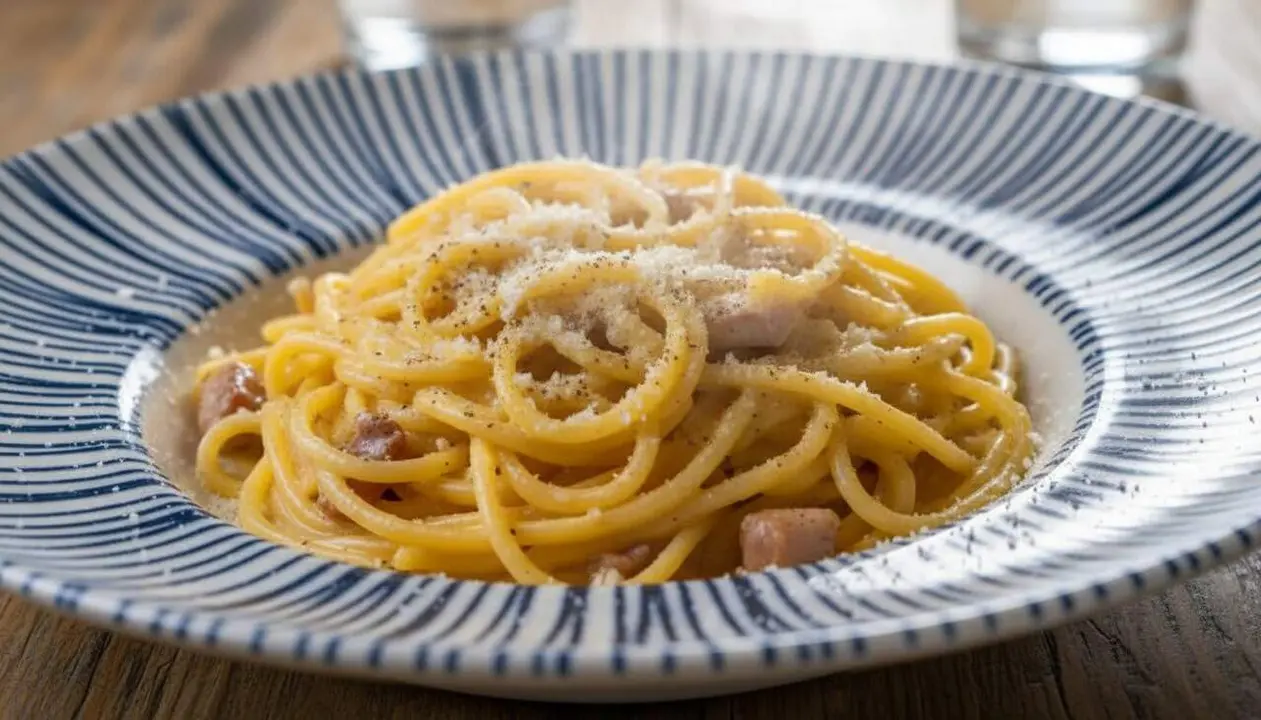

Many people think reheating pasta is as simple as reheating white rice, but this is a mistake that ruins all the texture and flavor. The reality is that pasta requires specific treatment to avoid becoming dry or sticky.
When pasta cools down, it loses moisture and the sauce thickens, which requires careful reheating to avoid an unpleasant texture. Reheating it directly in the microwave without any preparation is usually the worst option.
Why it matters to treat pasta differently than rice
What makes pasta behave so differently?
Pasta has a composition that causes the starch to harden and absorb the sauce when cooled, especially if it’s with tomato, cream, cheese, or pesto. This makes it compact and dry if not reheated with moisture.
How does this affect our gastronomic experience?
The dry and sticky texture of poorly reheated pasta breaks the pleasant sensation of the dish. Conversely, a sauce that recovers its emulsion and moisture makes the pasta creamy and flavorful again, greatly improving the final result.
Methods to reheat pasta correctly
Why is the skillet a better ally than the microwave?
Heating pasta over low heat in a skillet, adding a few spoonfuls of water or broth, allows control over temperature and texture, re-emulsifying the sauce and avoiding dry or cold spots.
What tricks to apply if you only have a microwave?
If there’s no other choice, you should cover the plate and add a little water before heating, doing so in short intervals and stirring often to prevent the sauce from breaking or the pasta from drying out.
Tips according to the type of sauce for better reheating
How to reheat pasta with tomato sauce?
A few drops of olive oil can help recover the texture and flavor, making the sauce more fluid and pleasant after reheating.
What to do with cream, cheese, or pesto pasta?
Cream and cheese must be heated very gently to avoid curdling, while pesto is better added almost at the end to preserve its aroma, as excessive heat damages it.
The key to reheating pasta is restoring moisture and movement to the sauce, not just heating it. With these methods, pasta can be as tasty and creamy as when it was first cooked.
Also, if you’re interested in planning trips to eat well, finding cheap flights or long flights can be a good complement to discovering the best pasta recipes and local cuisine.
Remember that treating pasta like a white rice dish is a mistake that can ruin your homemade culinary experience. With a bit of patience and technique, anyone can revive a pasta dish with impeccable texture and taste.
Frequently Asked Questions
- Why can’t pasta be reheated like white rice?
- Pasta loses moisture and the sauce thickens when cooled, so it needs moisture and movement to recover the texture, unlike rice.
- How to prevent pasta from drying out in the microwave?
- By adding a little water and heating in short intervals, stirring often, you avoid the sauce breaking or the pasta drying out.
- What is the best way to reheat pasta with pesto sauce?
- You should add the pesto almost at the end of reheating to preserve the aroma and prevent it from being damaged by heat.