Cesc, renowned pastry chef: "Separate an egg white to mix it with milk and brush"
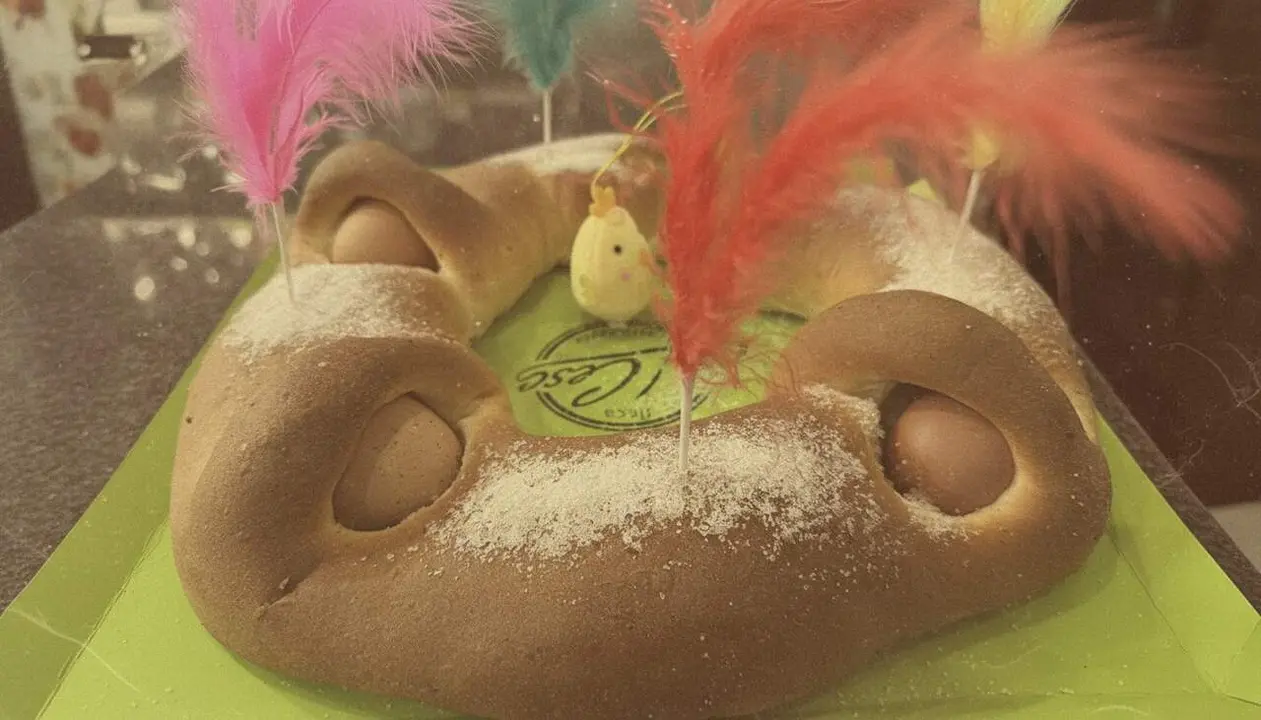

Painting the dough before baking is not just an aesthetic gesture, but the secret that makes the Easter cake shine. “Separating one egg yolk to mix it with a bit of milk and using it to paint the dough before baking gives it a golden and shiny finish that makes everyone want to taste it,” explains Cesc, a renowned pastry chef from Valls.
Additionally, the trick that makes the difference in pastry dough is kneading with extra virgin olive oil. “This makes the dough much more elastic and fine, and the result is a texture that cannot be achieved with other fats,” he adds.
The secret to a perfect Easter cake
How does the yolk and milk trick work?
When we paint the dough with the yolk and milk mixture, the Maillard reaction is activated during baking. This chemical process is responsible for the golden color and appetizing shine on the surface. Thus, the cake not only looks beautiful but also gains a thin and slightly crunchy crust.
Why extra virgin olive oil?
Extra virgin olive oil not only adds flavor but, thanks to its composition, improves the elasticity of the dough. This elasticity facilitates a more even fermentation, making the dough finer and smoother, a key element in dough fermentation.
Cesc does it this way at home, in Valls, where the tradition of the Easter cake is deeply rooted. And the trick works wonderfully in any kitchen.
Essential ingredients for the Easter cake
- Strong flour
- Milk
- Eggs (two whole and one separated yolk)
- Sugar
- Salt
- Fresh yeast
- Honey
- Extra virgin olive oil
- Lemon and orange zest
- Boiled eggs for decoration
The basic ingredients combine a bit of sweetness, a fresh citrus aroma, and the softness that only olive oil can provide. The latter is key to achieving the characteristic texture that Cesc reveals to us.
Steps to make the Easter cake with Cesc’s trick
- Beat two whole eggs and separate one yolk to paint the dough afterward.
- Mix the yolk with a small splash of milk and set this mixture aside.
- Combine the flour with the yeast, salt, sugar, honey, and citrus zest.
- Add the beaten eggs and start kneading, gradually incorporating the extra virgin olive oil.
- Knead for about 20 minutes until the dough is elastic, fine, and homogeneous.
- Let it ferment at room temperature until it doubles in volume.
- Shape the dough balls, paint them with the yolk and milk mixture, and place a boiled egg on top before baking.
Remember that patience during fermentation is key to achieving pastry dough with the ideal texture.
Frequently asked questions about the Easter cake and the yolk trick
Why is it important to paint the dough before baking it?
Painting the dough with the yolk and milk mixture creates a thin layer that, when cooked, generates a golden color and spectacular shine. This not only improves the appearance but also provides a slightly crunchy texture that contrasts with the soft interior.
How does olive oil affect the final texture of the cake?
Extra virgin olive oil helps make the dough more elastic and fine, facilitating an even fermentation that results in a lighter and tastier cake. In Valls, where Cesc uses this trick, it is key to maintaining the tradition with a personal touch.
If you want to experiment more with this traditional recipe, you can see the article about Candela from Valls, the grandmother who teaches how to toast sliced almonds in the oven, an excellent way to complement the cake with textures and flavors.
Also, after fermentation, once you have shaped the dough, don’t forget to let it rest before painting and baking to achieve the best texture. In Valls, this ritual is almost sacred during Easter.
Fermentation and finishes: key to the perfect cake
The importance of fermentation in the dough
Good fermentation allows the gluten to develop correctly, and the dough gains elasticity and volume. This allows the cake to have the soft and airy consistency that everyone expects. The olive oil trick helps enhance this effect, which is why it is so valued in Valls.
Adding the final touch with the yolk paint
Once the dough has fermented and taken shape, it is painted with the yolk and milk mixture just before baking. This step is crucial to achieve a golden and shiny finish, which makes the Easter cake stand out from the rest. If you want to see practical examples of cakes, you can follow Cal Cesc, an iconic place to enjoy pastries and the best cake in the area.
It is also interesting to know that this trick prevents the dough from drying out during baking, maintaining the interior moisture and a thin, tasty crust at the same time.
If you have doubts about what to do during Easter, What can you do this holiday, near home? is a good resource to plan activities after enjoying a good cake.
With these tips, the Easter cake will be the queen of any table, both in Valls and everywhere else.
“When I prepare the cake, I always remember that the key lies in these details: the yolk with milk for painting and the olive oil for kneading. They are small secrets that transform the traditional recipe into an unforgettable experience,” shares Cesc with a smile.