Why replacing cars with motorcycles would improve life in Europe by 40%
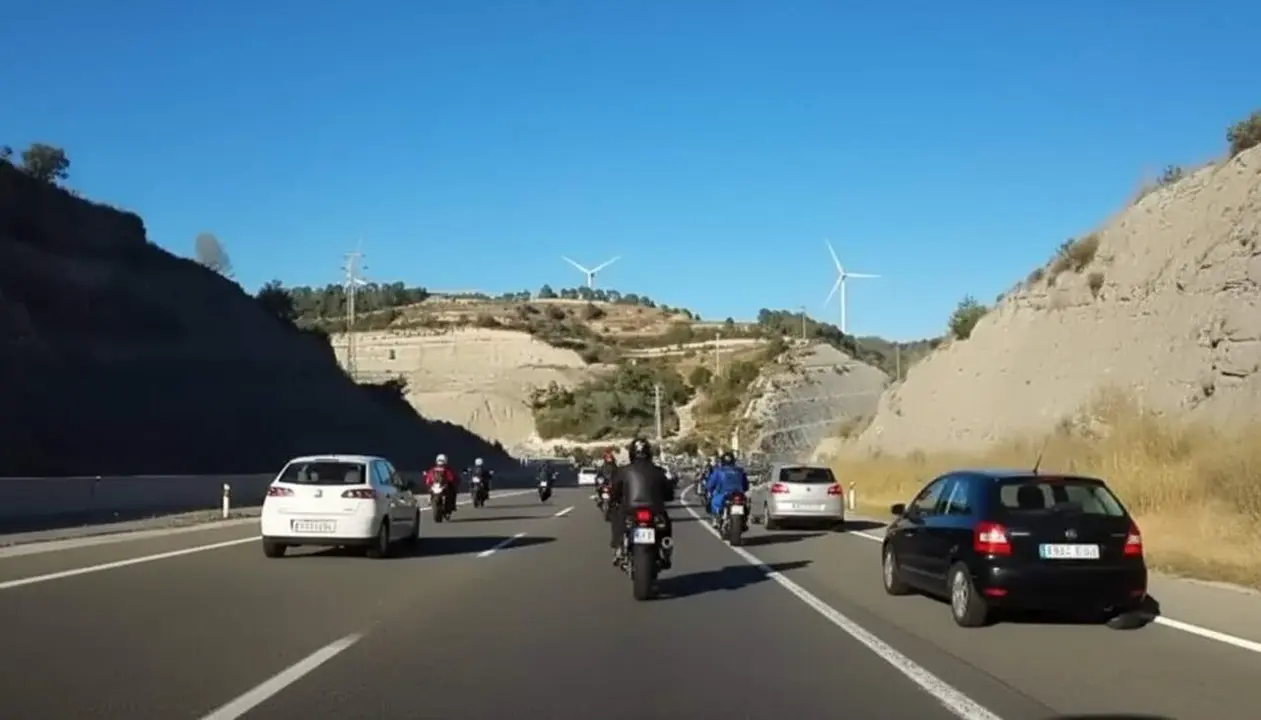

Experts and brands claim that we would live better if we swapped cars for motorcycles. It’s not just a matter of fashion: motorcycles take up less space, consume less, and, surprisingly, can get us there faster.
If you live in Barcelona, Madrid, or Paris, you surely know this image: endless lines of cars with only one person inside. But what would happen if we stopped thinking that a car is essential for everything?
Time is gold: motorcycles win on urban trips
Why does this matter to the reader? Because the time we lose every day in traffic is a constant theft of our quality of life. According to the European Association of Motorcycle Manufacturers (ACEM), a motorcycle makes an average urban trip in 26 minutes, while the car takes 38 minutes. A 33% time saving just by changing the vehicle.
What does this mean for drivers?
The difference is more than obvious. This time saving can transform the daily routine, reducing stress and making the city more accessible. According to ACEM, if only one in ten drivers switched from car to motorcycle, congestion could drop by 40%.
What is the reason behind this improvement?
It’s simple: optimizing the vehicle size. Using the right means for the right trip avoids wasting resources and space. A 1.5-ton car for a solo trip is an exaggeration.
Public space: four motorcycles per car
What a car occupies is nothing less than a luxury many cities cannot afford. A car needs 11.5 square meters to park, while a motorcycle only 2.9. Four motorcycles fit in the space of one car.
How does this affect urban life?
For citizens, this translates into more free space and fewer problems finding parking. ACEM estimates that if only 5% of European drivers switched to motorcycles, 124 km² of parking space could be freed up in cities.
What urban benefits does this change bring?
Freeing public space is key for sustainable mobility and quality of life. Fewer cars means fewer traffic jams and more green areas or pedestrian spaces. The change is not just about mobility; it’s about the city.
The invisible cost: savings on consumption and money
Although the comfort and convenience of cars are undeniable, the cost of maintaining one is considerable. A motorcycle consumes on average 3.85 liters per 100 km, almost half that of a small car at 7.57 liters. The cost difference per km is double: €0.17 for motorcycles versus €0.38 for cars.
How does this affect the driver’s wallet?
A motorcycle is not only cheaper because it consumes less, but also involves lower overall expenses. This can mean a significant annual saving for many users. It’s certainly not for everyone, but it’s worth asking why we still prefer the more expensive option.
Is the motorcycle the universal solution?
No, because many situations require a car, such as large families or professional trips. But the question to ask is: why do we keep loading our cities with cars when more efficient alternatives exist?
The reality is that replacing cars with motorcycles could transform urban mobility in Europe, reducing congestion, improving public space, and making city living a little less frustrating. Perhaps it’s time to think about smaller wheels for a bigger future.
Frequently Asked Questions
- How can motorcycles reduce traffic congestion in cities?
- Motorcycles take up less space and move faster, reducing congestion and travel time by up to 33% compared to cars.
- What economic advantages does using a motorcycle instead of a car have?
- Motorcycles consume almost half the fuel and have a cost per kilometer nearly twice as low as small cars.
- Is the motorcycle an adequate option for everyone?
- No, but for individual urban trips it’s often more efficient, while cars are better suited for families or specific professional needs.