Legendary Citroën models in chronological order: the revolution on wheels

Imagine a brand that not only manufactures cars but is dedicated to breaking molds and challenging the common sense of the automotive world. That is Citroën, the French firm that since 1919 has put innovation ahead of tradition and made comfort almost a religion.
While the rest of the European industries opted for safe and predictable paths, Citroën bet on technologies that seemed like science fiction. Front-wheel drive, hydropneumatic suspension, and irreverent aerodynamic shapes are just some of its revolutions that have set the pace.
The chronology of a legend: Citroën’s most iconic models
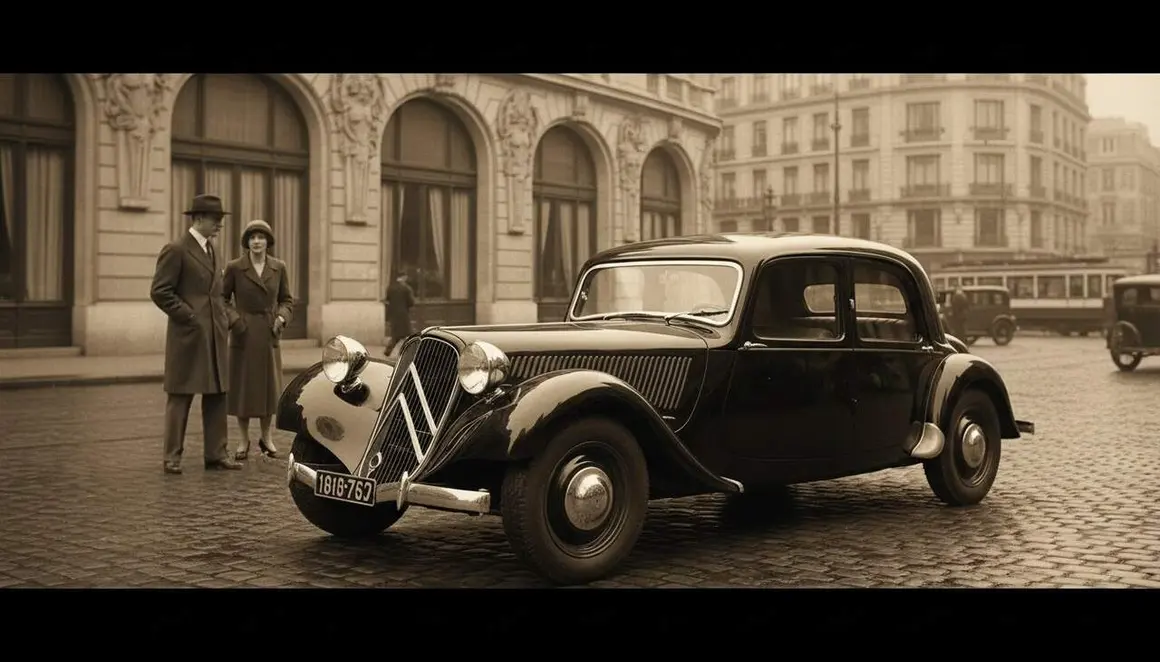
1. Citroën Traction Avant (1934) – the pioneer of the modern era
With its front-wheel drive and monocoque body, the Traction Avant revolutionized the automobile. Its low center of gravity and superior stability made it a favorite both for the French Resistance and postwar gangsters. It wasn’t just a car, it was the father of the modern car.
2. Citroën Type H (1947) – The icon of delivery
With its corrugated body inspired by aviation and the extremely low load floor, this van changed European logistics forever. Today, it is the undisputed king of vintage aesthetics and food trucks.
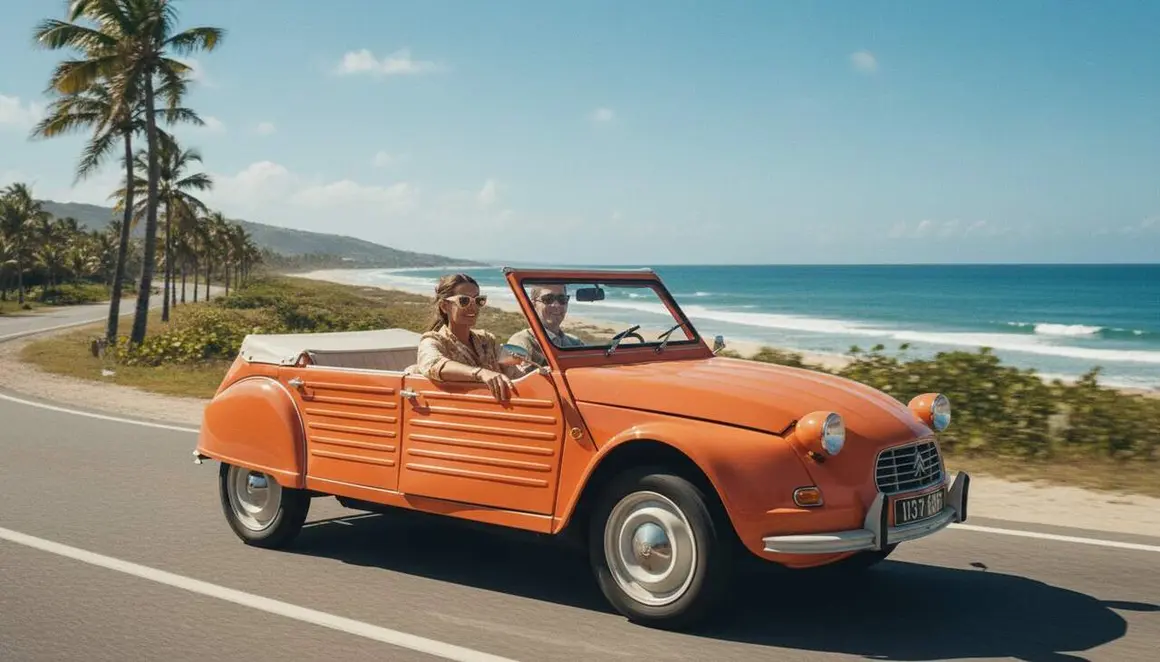
3. Citroën 2CV (1948) – Four wheels under an umbrella
Designed to motorize rural France, the 2CV promised to carry a basket of eggs without breaking any. Its simplicity, robustness, and iconic canvas roof made it a symbol of unpretentious freedom.
Innovation and design that define an era
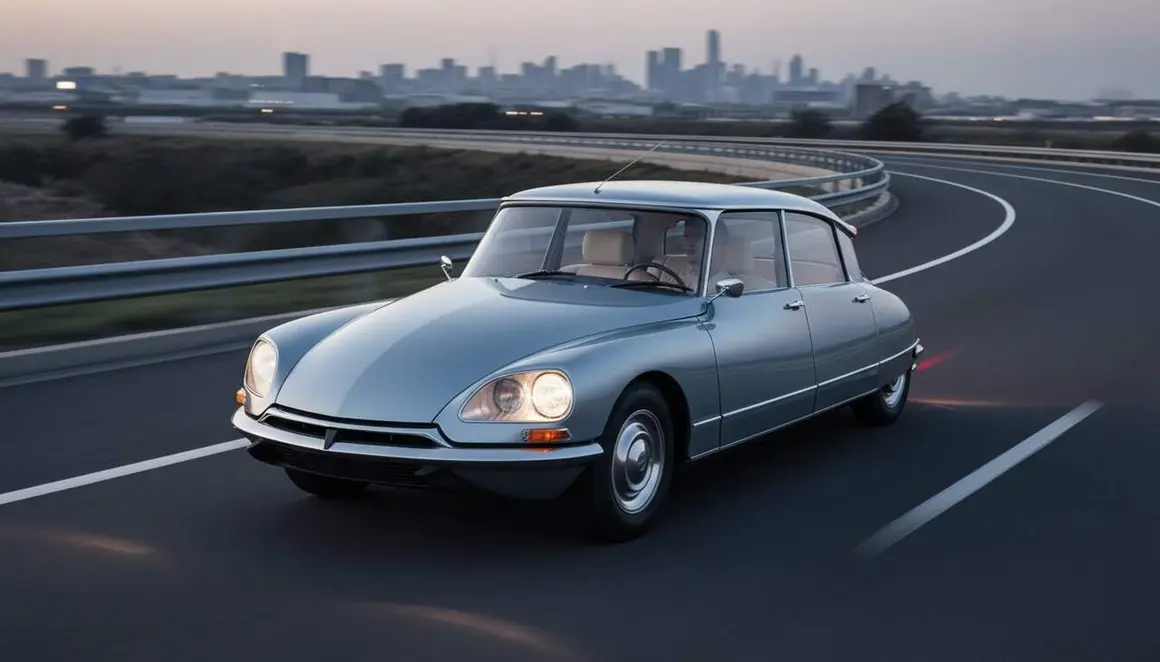
4. Citroën DS (1955) – the goddess of the asphalt
When it appeared, everyone thought a spaceship had landed. Its self-leveling hydropneumatic suspension, directional headlights, and disc brakes were revolutionary. Its comfort made it seem as if it floated over the road.
5. Citroën Méhari (1968) – The free spirit in plastic
With its lightweight ABS plastic body, corrosion-resistant and easy to wash, the Méhari became the ultimate summer convertible, born in the height of May ’68.
6. Citroën GS (1970) – hydropneumatic suspension for everyone
This model democratized a technology previously reserved for premium models. European Car of the Year 1971, it brought comfort and innovation to families.
The 20th century moving forward with strength
7. Citroën SM (1970) – Haute couture with a Maserati heart
What happens when you combine hydropneumatic suspension with a Maserati V6 engine? The SM is born, a futuristic grand tourer capable of exceeding 220 km/h with variable power steering that was pure engineering art.
8. Citroën CX (1974) – The last great standard-bearer
With its extremely low aerodynamic coefficient, the CX was the last great sedan fully developed by Citroën before the merger with Peugeot. Its futuristic interior and excellent comfort made it a classic.
9. Citroën Visa (1978) – a legendary compact
Practical and modest, yet with sporty versions that today are cult icons like the Visa GTi and rally variants, the Visa marked a key era for the brand.
The 80s and 90s: between efficiency and sport
10. Citroën BX (1982) – the revolution of the eighties
Designed by Bertone, it combined angular lines with hydropneumatic suspension and composite materials to reduce weight. It was a massive commercial success with cult variants like the GTI and the rally 4TC.
11. Citroën AX (1986) – the king of lightness and efficiency
The obsession with minimum weight and fuel consumption resulted in versions weighing less than 640 kg and consuming very little. The AX GT and GTI versions became true 'giant killers' on twisting roads.
12. Citroën ZX (1991) – silent precision
Conceived to save the brand in a competitive segment, its great innovation was the self-steering rear axle that eliminated understeer. Indestructible diesel engines and noble character defined this model.
The last great classics and the sporty DNA
13. Citroën Xantia (1993) – The magic carpet of engineering
Designed by Bertone, the Xantia brought hydropneumatic suspension to its maximum expression with the Activa system, which allowed the car to lean completely flat without losing comfort.
14. Citroën Saxo (1996) – a youthful legend
The Saxo VTS marked an entire generation, dominating mountain stages, tuning, and promotional rally cups in the 90s and early 2000s.
15. Citroën Xsara (1997) – the throne of the people and the road
Compact family car that democratized modern comfort and served as the platform for young Sébastien Loeb to conquer the World Rally Championship, proving that everyday life can carry the genes of a champion.
16. Citroën Xsara Picasso (1999) – the people’s minivan
With a revolutionary egg-shaped design and three individual rear seats, it was the family bestseller that turned the car into a mobile living room.
17. Citroën C6 (2005) – The last burst of classic hydropneumatics
A tribute to the DS and CX with bold design and Hidractive III+ suspension, this majestic model closed a golden era and was used by French presidents.
18. Citroën C4 WRC / The Loeb Era (2007)
Citroën also marked world motorsport with the Xsara WRC and C4 WRC driven by Sébastien Loeb, absolute dominators of the World Rally Championship during the 2000s.
The reality is that the history of Citroën is the very history of the modern automobile. Its iconic models are not just sculptures on wheels but statements of intent reminding us that the car must adapt to the human being, not the other way around.