Mercedes' head of development: petrol is the past
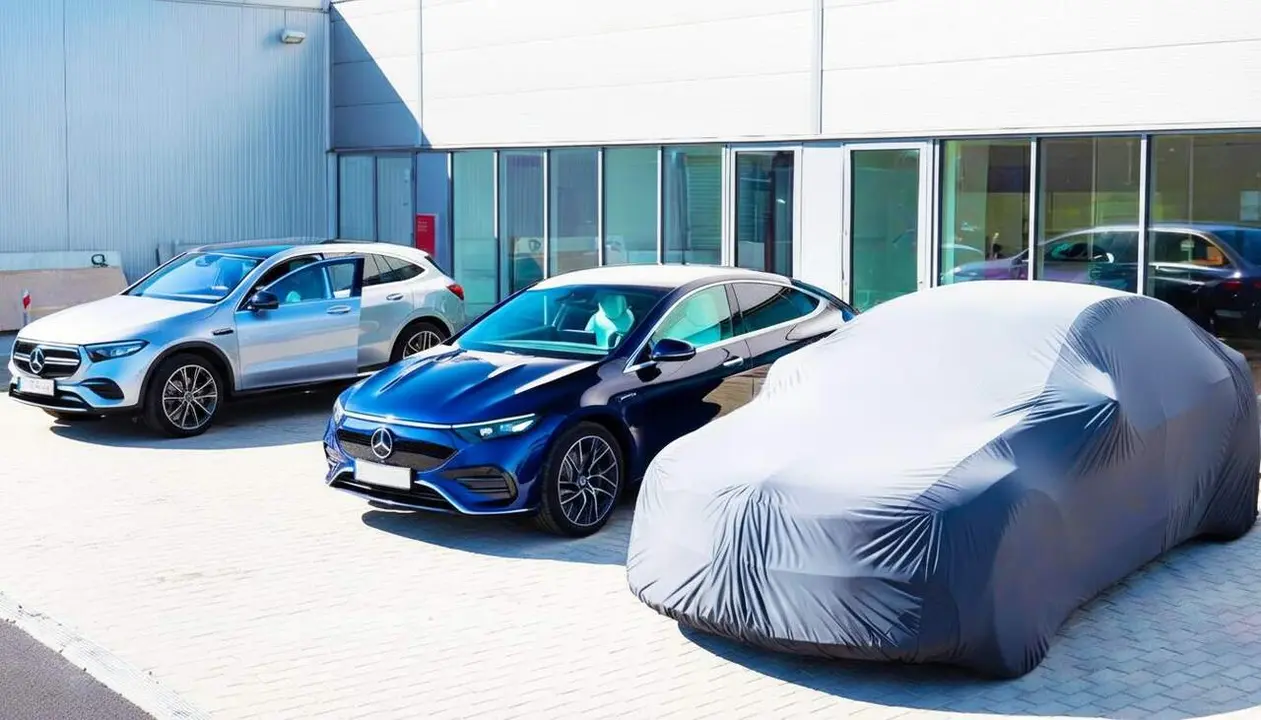

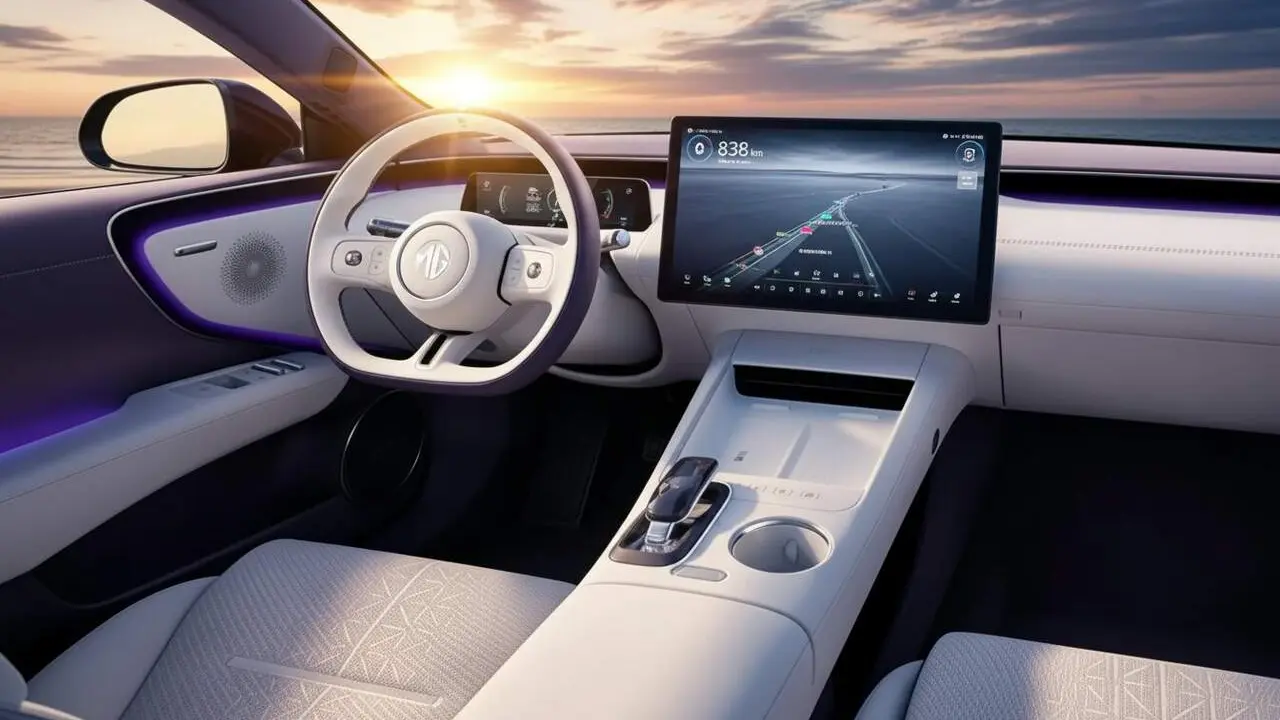
Imagine that your car still has that century-old gasoline smell, while the neighbor is already driving an electric vehicle that looks like a futuristic gadget. This is the reality Jörg Burzer, head of development at Mercedes-Benz, sees when comparing traditional and electric technology.
The revolution is not just a trend, but a profound change that will alter the way we move. But beware, not everyone agrees, nor is everything as simple as it seems.
Mercedes and the electric revolution: a leap beyond gasoline
Jörg Burzer spares no words: for him, the gasoline engine is a technology that has existed for more than a century and, therefore, its innovation potential is limited. In contrast, the electric car is still in an early phase, with much progress to be made in batteries, cooling, and system integration.
Mercedes clearly sees electromobility as the future, a future where combustion engines will be a mature technology but with little room to surprise. The European debate on the 2035 regulation, which foresees the gradual phase-out of combustion engines, adds even more pressure on this change.
European pressure and the resistance of combustion engines
German Chancellor Friedrich Merz has called for flexibility from the European Commission to allow hybrids and highly efficient thermal engines beyond 2035. Mercedes, along with Volkswagen and BMW, is lobbying for a less strict transition, in a context where electric car adoption is progressing more slowly than expected.
Mercedes-Benz chairman Ola Källenius leads this business battle, advocating regulations that better enable European brands to compete without sacrificing innovation in electromobility.
Innovation in favor of the electric car
According to Burzer, batteries will evolve in formats and capacities, and systems integration will be key to improving the experience. Combustion engines will continue improving, but not in as significant or disruptive a way.
Mercedes bets on being a protagonist in this new scenario, with a clear focus on zero-emission mobility and a technology that has yet to hit its ceiling.
The customer at the center: flexibility or dogmatism?
Despite firmly defending the electric car, Burzer acknowledges that the final decision must be the customer’s. This view is not as radical as it seems: it is about providing real options that adapt to diverse needs and lifestyles.
Burzer himself exemplifies this idea with his personal experience: he has solar panels at home and a battery storage system that allows him to recharge the vehicle with solar energy, thus living a direct experience with the electric ecosystem.
A more human transition
Mercedes sees the need for a transition with room for different technologies, without imposing a single model. This includes maintaining combustion engines for those who still need them, while the market and technology advance.
This is not just a commercial strategy, but an intelligent response to consumer reality and the complexity of technological change.
Mercedes’ role today
The German brand combines innovation in electric with a flexible commercial offer, preparing for a future where the combustion engine will lose prominence but not disappear suddenly. Burzer positions the electric car as the engine of the next stage, but without renouncing today’s reality.
Mercedes thus embodies the tension between future and tradition, between a technology that has dominated for more than a century and another that is still writing its story.
Technology, market, and politics: the triangle of car transformation
Burzer’s stance reflects how the automotive industry is experiencing a complex and contradictory moment. On one hand, the technological potential of electromobility seems unlimited; on the other, market realities and political pressure create scenarios where flexibility is key.
The European debate on the 2035 regulation exemplifies this dilemma: rigor in the transition or adaptation to circumstances. Berlin wants exceptions, Brussels prepares new frameworks, and European brands push not to lose competitiveness.
Lobbies and business strategies
Mercedes, along with other giants, is at the center of this debate, defending that the transition must be technologically viable and commercially sustainable. The presence of Ola Källenius as ACEA president reinforces this strategy.
The change will not only be technological but also political and economic, and companies seek to influence this process to guarantee their survival and leadership.
The margin for electric innovation
Burzer highlights that electric technology still has much room to surprise, while combustion engines, no matter how much they evolve, will only improve incrementally. This clearly points to a future focused on electric mobility, with brands like Mercedes at the forefront.
Innovation in batteries, thermal management, and electronics are the fields where the next big battle in the sector will be fought.
The reality is that Mercedes puts gasoline on an old pedestal and looks decisively toward a future where the electric car will not only be an alternative but the center of global mobility.