
Spray vinegar on the car windshield: what it really does and what is just a myth
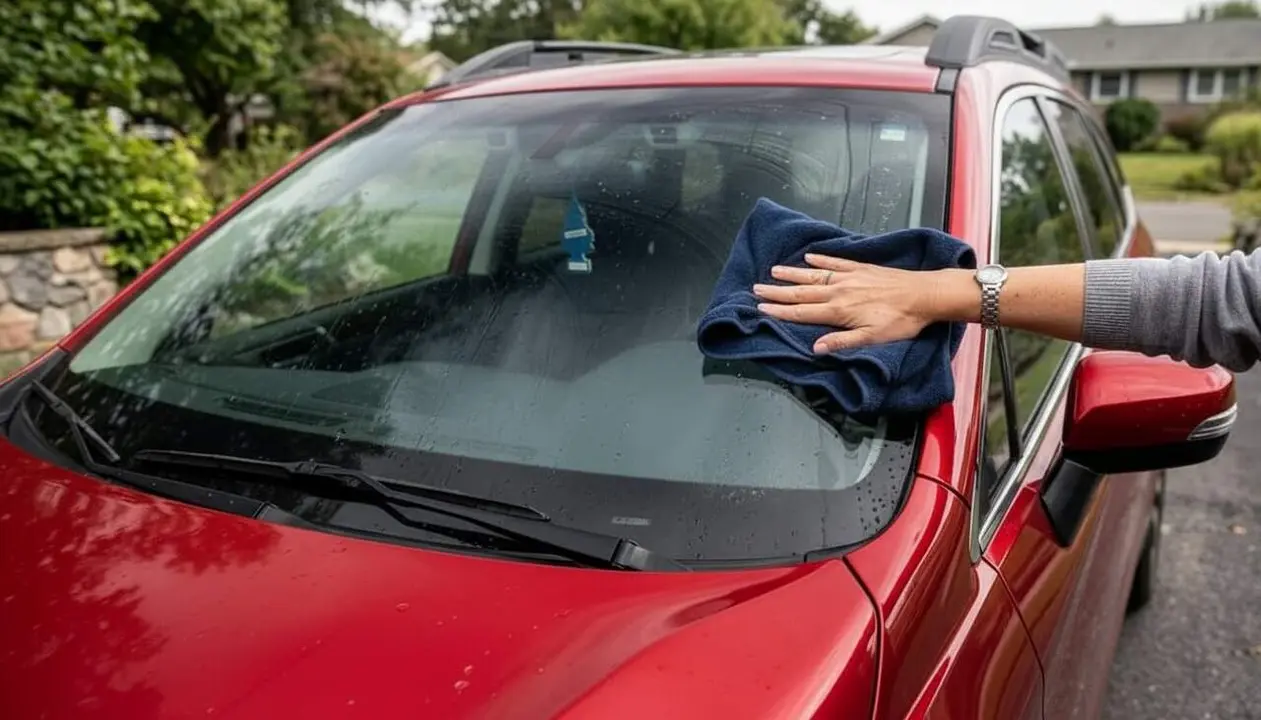

Spraying diluted white vinegar on the windshield can leave it cleaner and more transparent, and it is attributed with the ability to delay frost formation on cold days. This homemade practice has become popular among drivers due to its simplicity and low cost.
But, how true are these uses? And how should it be done to avoid damaging the vehicle? Below we will see the real functions of vinegar in the car and the reality behind the beliefs about ice.
Cleaning and degreasing the glass
Why does it matter to a driver?
Keeping the windshield free of organic and mineral residues is key for good visibility and safety. Distilled white vinegar has become an economical and effective option for removing tough stains like insects, bird droppings, or sap, which often leave residues that are hard to remove.
How to apply vinegar without damaging the car?
The active component is acetic acid, which disinfects and degreases the glass. But it must be diluted equally with water to prevent the acid from damaging rubber, plastics, or paint with continuous use. Using a microfiber cloth is recommended to avoid scratches.
The legend of frost and ice
Why is it said that vinegar prevents ice?
It is based on a known chemical principle: adding a solute can lower the freezing point of water, as salt does. This would make ice harder to form or stick to the glass, especially on cold mornings.
What evidence is there behind this belief?
So far there are no clear scientific studies measuring the actual effectiveness of diluted vinegar to prevent frost, especially in intense freezes. The practice has remained a popular trick, along with other homemade remedies like rubbing with onion or potato, without verifiable proof.
Practical tips and precautions
What advantages and risks does using vinegar on the windshield have?
- Advantages: Removes tough stains, degreases, and can reduce internal condensation in the vehicle.
- Risks: Using pure or excessive vinegar can damage rubber, plastics, and paint over time.
- Better to always dilute equally with water and use microfiber.
- Avoid using on delicate surfaces or already damaged paint.
What should be done to protect the car and make the most of vinegar?
- Apply only with proper dilution.
- Test on small areas before using on a large scale.
- Do not rely only on vinegar to prevent strong frosts.
- Maintain other climate control and regular cleaning systems.
The reality is that distilled white vinegar is a simple ally for cleaning the windshield and can help improve visibility and reduce some condensation. But it should be clear that its ability to prevent frost is more a myth than a scientifically verified fact. Moderate and responsible application is key to avoid damage and benefit from it.
Therefore, if you are looking for a homemade solution to keep the car’s glass clean and with fewer tough residues, vinegar is an option worth trying, always with caution and diluted. But if the cold is extreme, do not rely on it as the sole method to combat ice.
Frequently Asked Questions
- What type of vinegar is best for cleaning the windshield?
- Distilled white vinegar is the most recommended for being effective and leaving less residue.
- How should the vinegar solution be prepared to avoid damage?
- The vinegar should be diluted equally with water and applied using a microfiber cloth.
- Does spraying vinegar really prevent ice from forming on the glass?
- There is no clear evidence that vinegar prevents ice, especially during strong frosts; it is more a popular trick than a guaranteed solution.