URV revolutionizes interdisciplinary teaching in Tarragona with social challenges

The Rovira i Virgili University has put on the table the urgent need to rethink university teaching. It has done so by connecting disciplines to face social challenges that can no longer be solved from a single perspective.
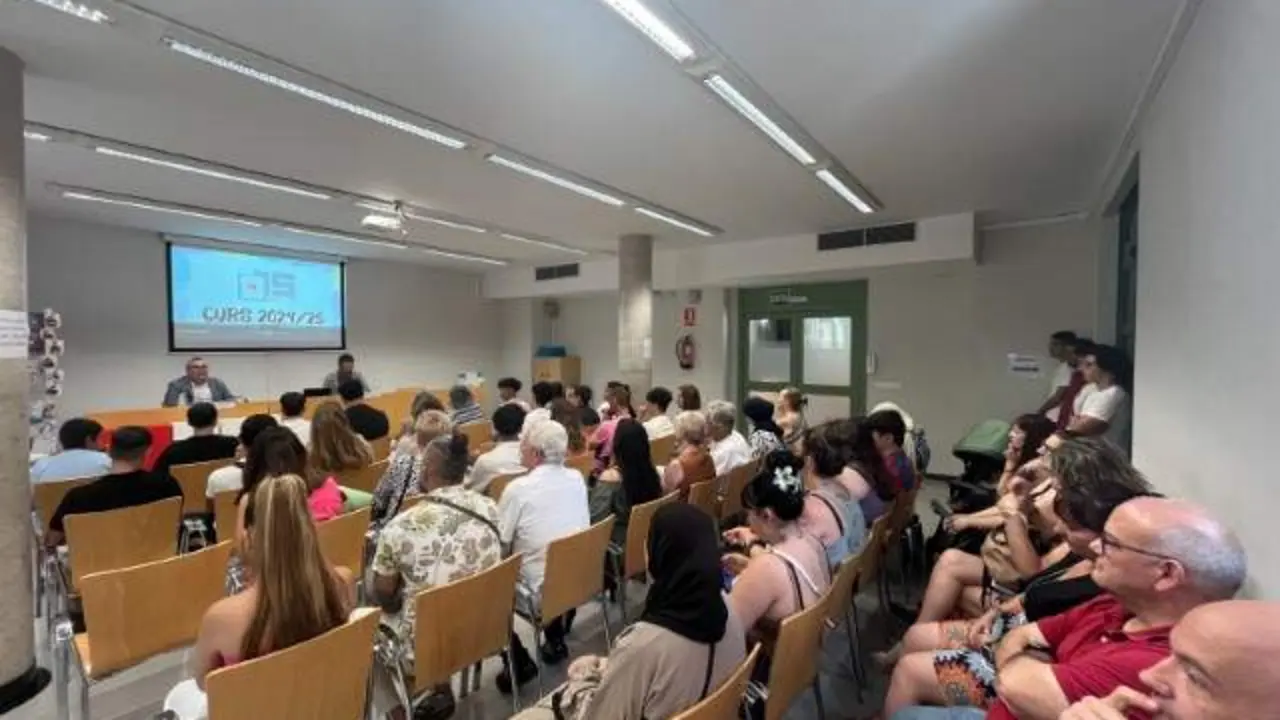
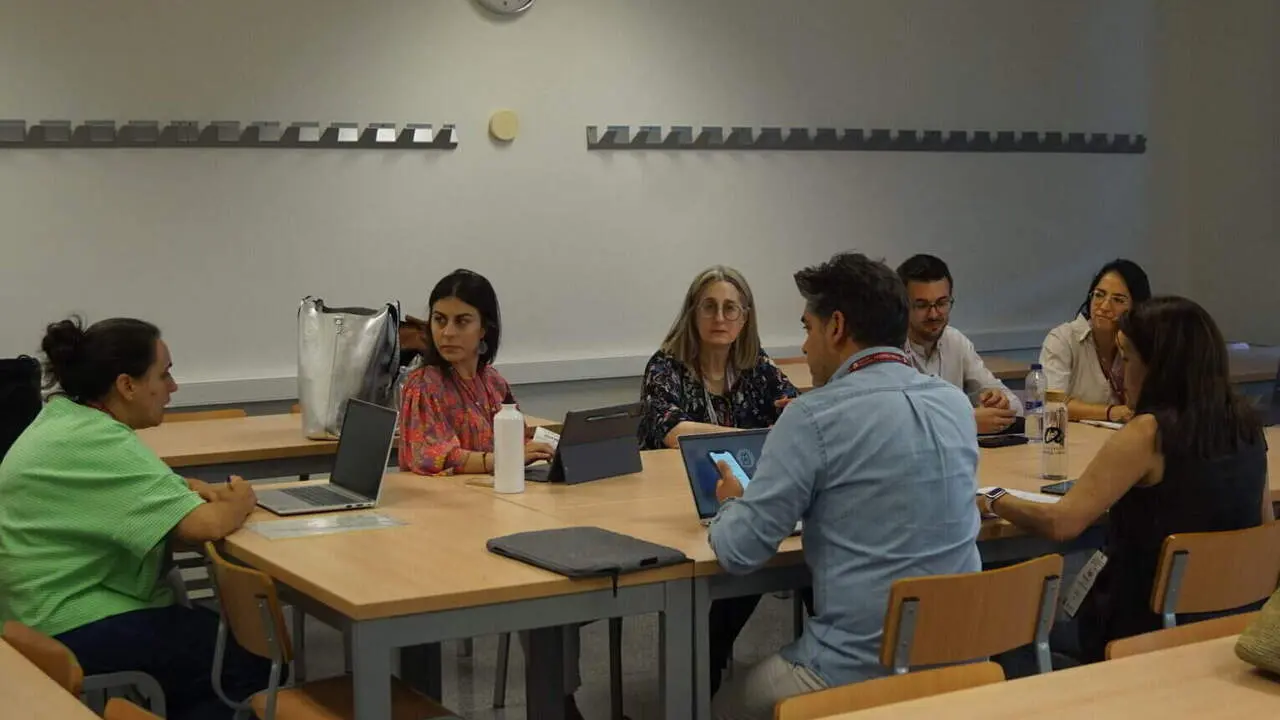
On May 29th, at the Faculty of Tourism and Geography in Vila-seca, a conference was held that brought together 42 professors from the URV and other universities, willing to shake up educational models and strengthen collaboration between disciplines locally and beyond.
The meeting that shakes up teaching in Tarragona
A space to share and innovate
The Meeting on Innovation in Interdisciplinary University Teaching was not a mere ceremonial event. It was a clash of ideas and experiences among professors involved in projects that believe higher education must break down walls.
With the presence of members of the Network of Interdisciplinarity in Teaching and guests from other universities such as Girona or Barcelona, an atmosphere charged with energy was created, with debates and proposals to keep moving forward.
Inauguration with a strategic outlook
The inauguration emphasized interdisciplinarity as an essential response to today’s complex and changing contexts. Òscar Saladié, Dean of the Faculty, and Montse Pinent Armengol, Vice-Rector of Teaching Projects and Students, highlighted the need to connect teaching with the social and professional challenges faced by Tarragona and its province.
Coordinator Daniel Schorn García stressed interdisciplinarity as a pillar to transform university education, making it more relevant and applied to reality.
Keys to promoting interdisciplinarity at the URV
Shared work and common challenges
The day was divided into three working sessions that addressed the present and future of interdisciplinary teaching. The debate put conditions on the table that allow progress and persistent obstacles that hinder the expansion of this model.
The importance of creating coordination spaces between departments was highlighted, while avoiding bureaucracy and structural rigidity paralyzing promising initiatives.
Recognition and adapted evaluation
Another key issue was the need for clear institutional recognition that values interdisciplinary work. It was also stressed that flexible evaluation systems are needed that take into account the complexity involved in working across diverse disciplines.
These measures are essential so that interdisciplinary teaching ceases to be an exception and becomes the norm at the URV and in Tarragona.
Resources, experiences, and the future of interdisciplinary teaching
A network that grows and consolidates
The URV Network of Interdisciplinarity in Teaching has 48 members from 17 different departments, a living example of how the university in Tarragona is weaving a diverse and participatory academic community.
The role of faculty, technical staff, and students is fundamental to maintaining this momentum and generating more transversal and realistic learning.
Guides, good practices, and certifications
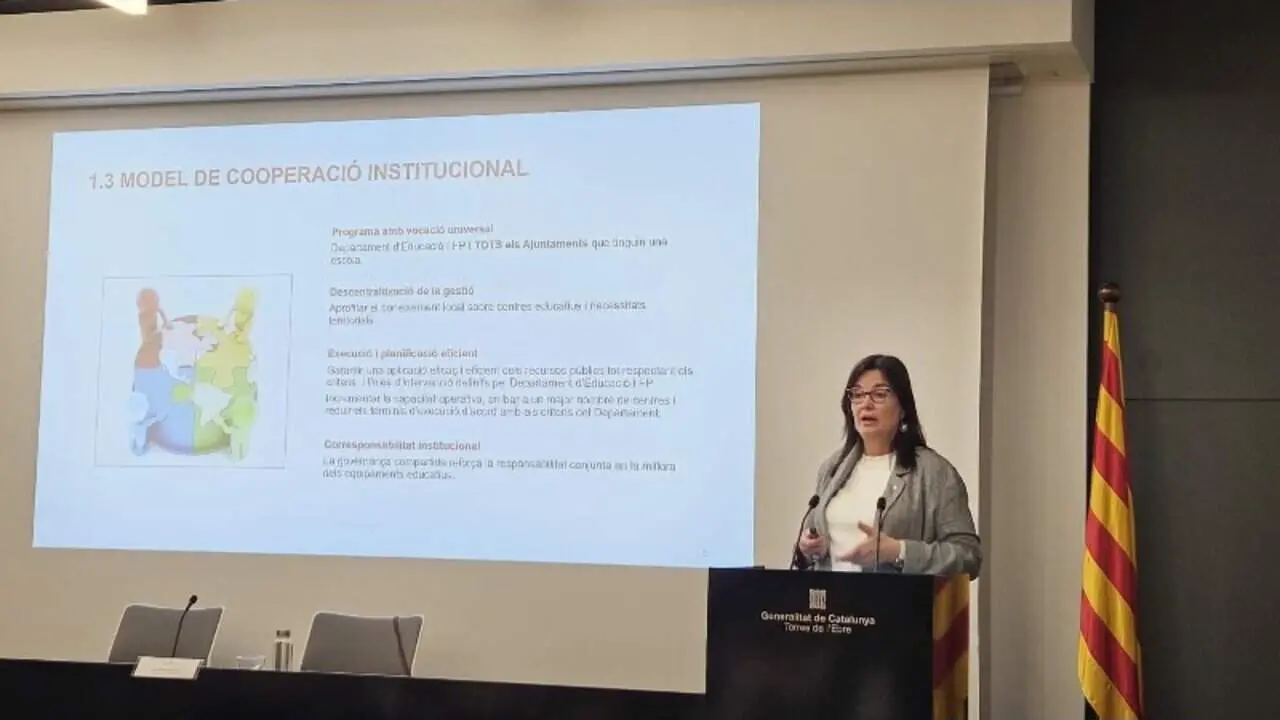
Judith Balanyà, network coordinator, presented key resources such as the guide for the interdisciplinary Final Degree Project, a collection of good practices, and a study on transversal competencies. In addition, the certification of interdisciplinary internships is proposed to give academic value to this methodology.
These efforts aim to ensure that Tarragona and the URV lead a change that connects knowledge and society in a tangible way.
The day concluded with the presentation of conclusions and documents that mark the path to continue advancing without losing focus: interdisciplinarity as a response to today’s social complexity.
It remains to be seen if, beyond good intentions, the URV and local institutions are willing to maintain this momentum. For now, the foundation is laid and the network is growing strongly.
Article source: Rovira i Virgili University