The surprising method that nutritionists use in cultural diversity training
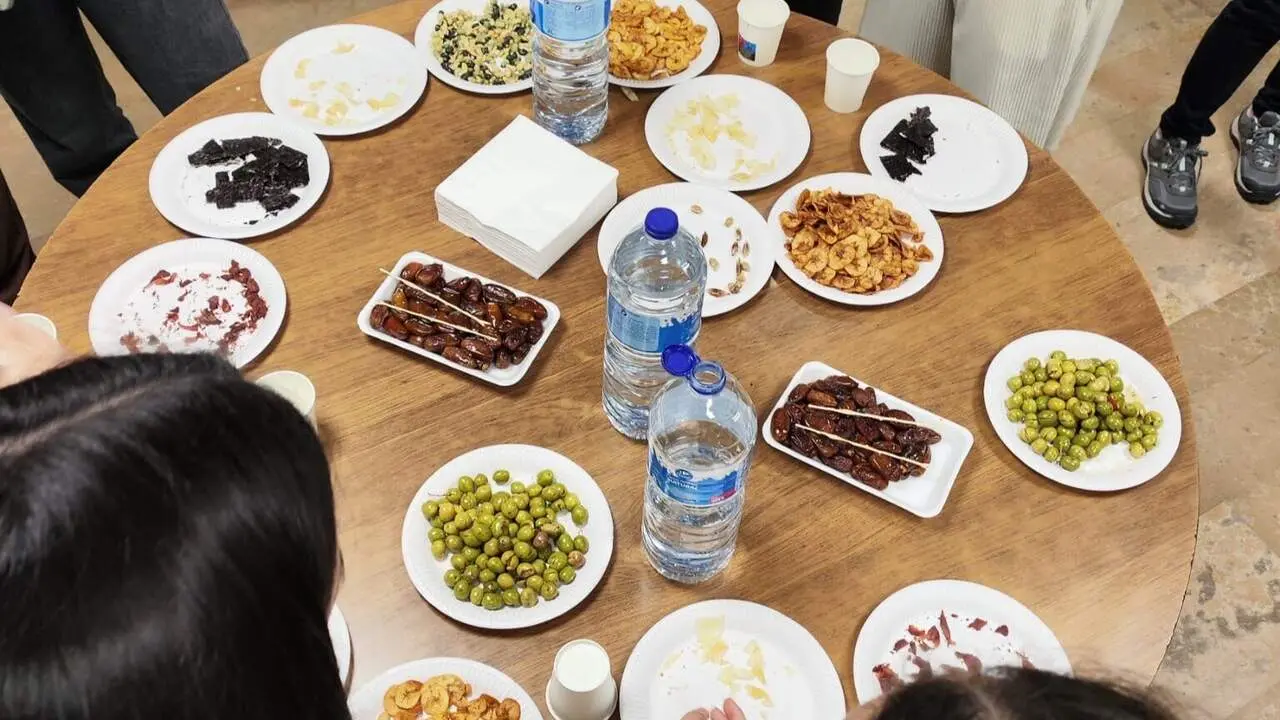

Future nutritionists must not only understand what people eat, but why they do so. A teaching experience at URV places students in front of the cultural and social diversity that conditions eating habits.
The degree in Human Nutrition and Dietetics at Rovira i Virgili University has launched an innovative project that has already been recognized as a good practice by the Institute of Educational Sciences. This initiative is aimed at first-year students and analyzes how origin, gender, or social class influence what we eat.
A practice that takes the student out of the classroom
From the classroom to the street: interviews that explain more than a book
More than 80 students have received the challenge of interviewing people from diverse cultural backgrounds. The goal is not just to learn theory, but to verify how age, gender, and economic situation clearly mark food practices.
The work is completed with seminars and theoretical sessions, but what really makes the difference are the semi-structured interviews that students conduct with real people. The methodology is based on qualitative research, making theory blend with social reality.
Coordinating to understand complexity
The project is led by Cristina Rey Reñones and counts on the collaboration of professors such as Aitor Balmaseda, Meritxell Rojo, and Carmen Portilla. This combination of academic and practical experience seeks to ensure that students learn to interpret data with rigor and empathy.
With this, professionals are trained who not only know what to recommend but how to adapt these recommendations to people from very different cultural contexts.
When bread is not just bread: the culture that eats
Understanding food beyond nutrients
According to Aitor Balmaseda, "we live in a plural and multicultural world," and this forces a rethink of nutrition. It is not just about calories or vitamins, but knowing, for example, the role bread plays in the Maghreb or what alternatives exist in other cultures.
Understanding these details allows for the development of diets that respect traditions and avoid food conflicts. This makes the treatment more respectful and effective, with greater chances of success.
Projects that reflect diversity
The presented works have addressed foods as diverse as couscous, South African biltong, gurgur, or Asian white rice. These projects were presented in scientific poster format and some reached academic conferences, demonstrating the quality and relevance of the work.
The recognition of these works shows that food diversity is no longer a marginal topic, but a central axis in the training of nutritionists.
A critical and empathetic perspective that doesn’t stop at the first year
Skills beyond the plate
This teaching practice not only provides knowledge about foods and cultures. It also works on values such as interculturality, communication, and teamwork. It is training for professionals who should be prepared for any social or cultural situation.
The project helps develop a critical view of social and food diversity, which is key in a context marked by globalization and migratory flows.
Continuity and future at URV
The initiative doesn’t end here. The second year of the degree will continue this approach through the subject Science and Technology of Food, taught by Carmen Portilla. Thus, URV consolidates a line of work that makes Nutrition studies a space for cultural and social understanding.
The challenge will be to keep this approach alive beyond the first years and make it an integral part of the preparation of future nutritionists.
When the diet stops being just a list of foods and becomes a cultural map, the professional who recommends it plays in another league.
Source of the article: Rovira i Virgili University