How the URV leads the economic adaptation of territories to climate change
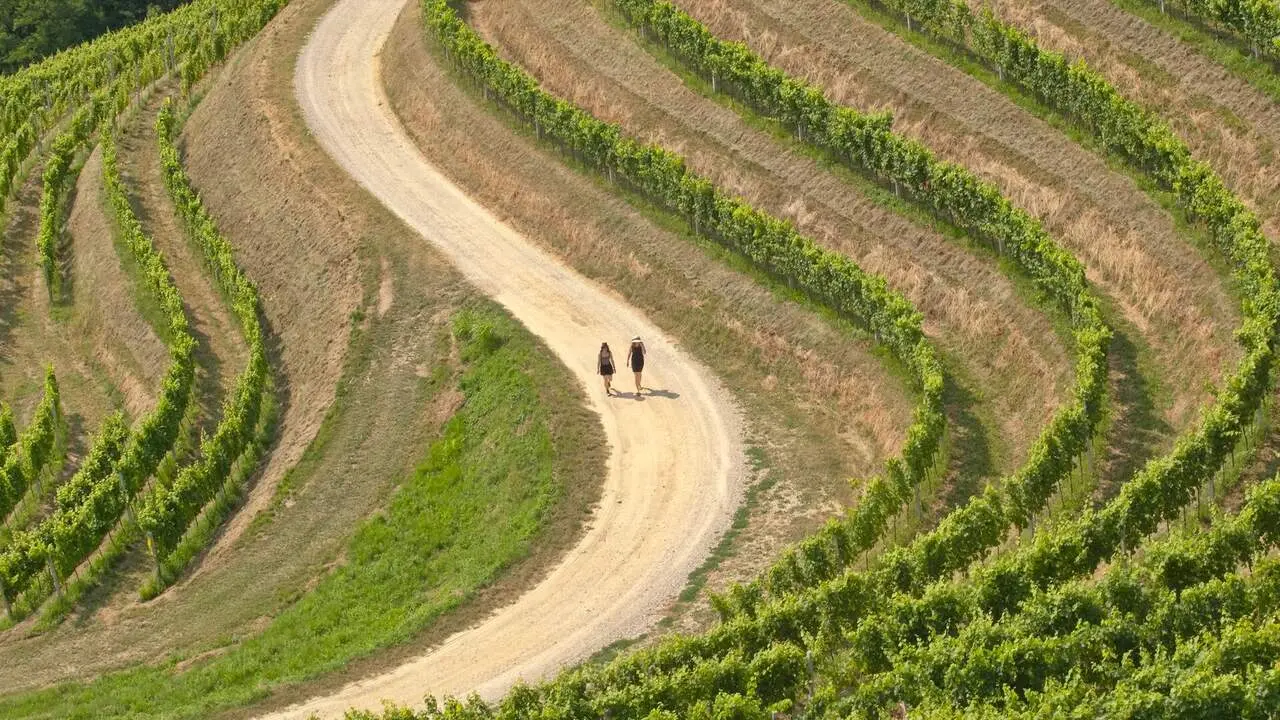

URV is at the forefront of a project that changes the course of economic activities to withstand climate change. More than 76 strategic actions are being deployed until 2030 to protect key sectors and vulnerable territories.
The European Life eCOadapt50 project, with a budget of 18.6 million euros and led by the Barcelona Provincial Council, includes the active participation of Rovira i Virgili University as a scientific and technical partner. The focus is on adapting the local economy to the climate emergency, especially in sectors such as agri-livestock, forestry, fishing, and tourism.
URV and the impact of the Life eCOadapt50 project
The role of URV as a knowledge engine
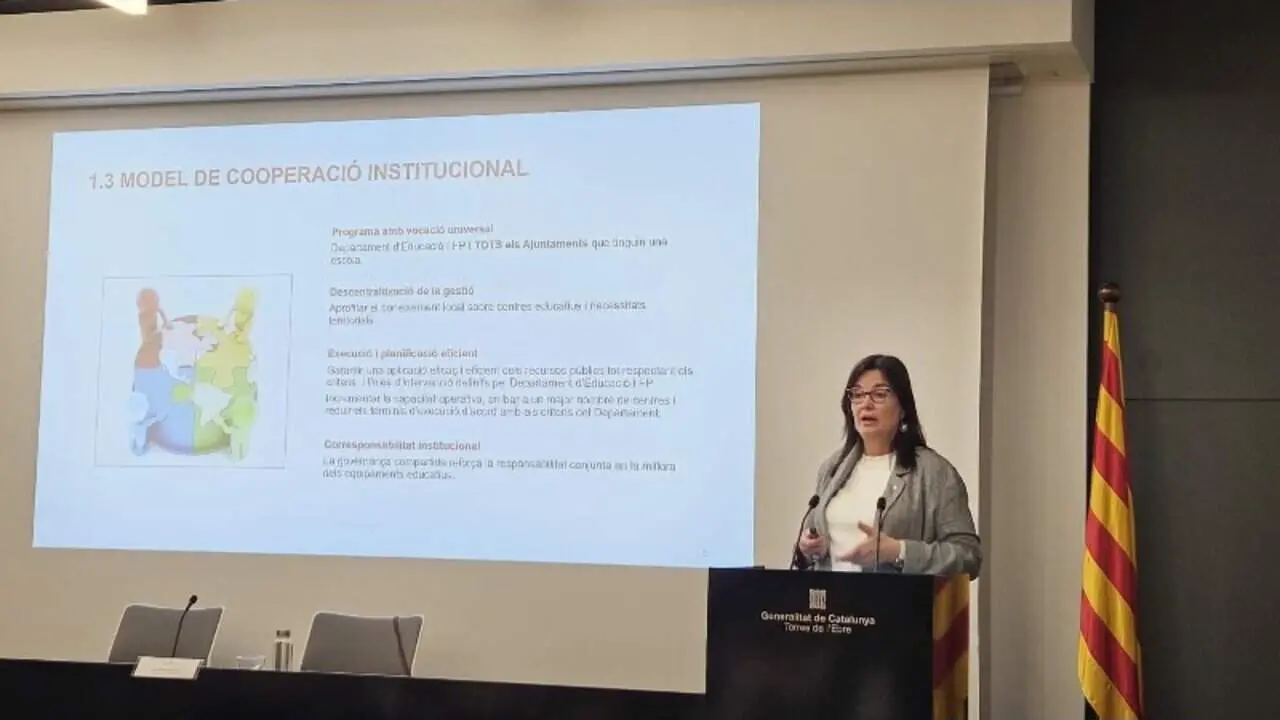
The University Institute on Sustainability, Climate Change and Energy Transition (IU-RESCAT) of URV leads the scientific and technical supervision of the project. With researcher Antoni Domènech at the helm, they ensure the territorial and sectorial coherence of the actions deployed.
This guarantees that the strategies are not only theoretical but adapt to the concrete reality of Catalan territories, making the research have a real and perceived impact on the citizens.
Priority territories and economic sectors
Life eCOadapt50 operates in nineteen areas of Catalonia, which cover 60% of the surface area but only 10% of the population. This means work is done in low-density and highly vulnerable areas to climate change.
The main sectors adapting are agri-livestock, the forestry industry, fishing, and tourism—activities that depend directly on natural resources and the climate. Without measures, their viability is at risk.
Sustainable and regenerative tourism: a challenge and an opportunity
The Horitzó eCOadapt50 event at the Sanctuary of the Miracle
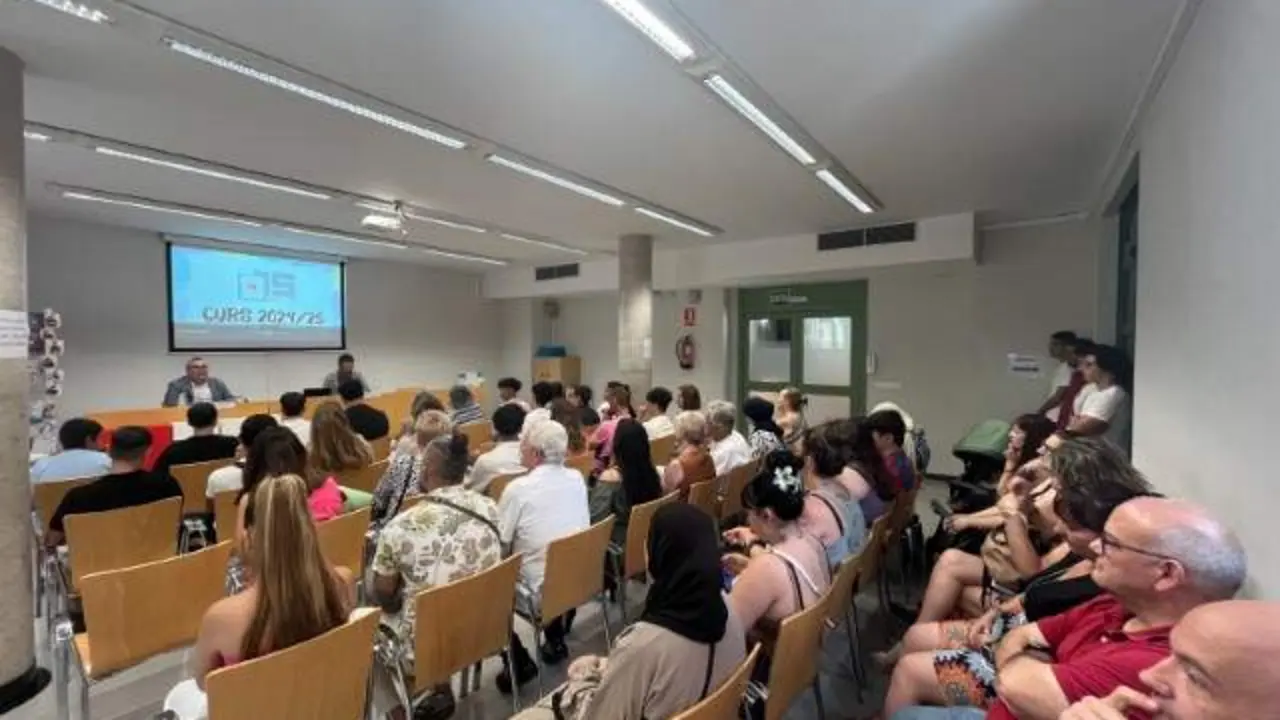
On May 28, a key event organized by URV was held, focused on sustainable, responsible, and regenerative tourism in a context of climate emergency. The location? The Sanctuary of the Miracle, in Solsonès, a low-density territory where tourism can make a difference.
Regenerative tourism not only seeks to avoid damage but to leave places better than they were found, economically, socially, and environmentally.
Debates and experiences to transform the sector
Experts from URV and the tourism sector, such as Òscar Saladié, debated the horizons of tourism facing the climate crisis. The event included practical cases, such as the Regenera4MED, Hydroscopia-Regen, EcoDataNatura, and ECOUNION projects, which promote sustainable and innovative models.
Additionally, there was a visit to the winery and artisanal cheese factory of the Sanctuary, to see real examples of resilience and the link between tourism, landscape, and food sovereignty.
The future of adaptation: research and collaboration
Co-creation as a strategic key
Life eCOadapt50 is not only a scientific project but a co-creation initiative among administrations, social, and economic agents. This ensures that the measures are valid and accepted by the involved territories.
The Barcelona Provincial Council leads this action with 25 partners, among them the Catalan provincial councils and URV, who provide rigor and knowledge.
A calendar with more than 76 actions until 2030
The project will deploy a wide range of interventions to face the effects of climate change. These are actions that directly affect local economic activity, to guarantee its continuity and sustainability.
This ambitious calendar aims to mark a before and after in the way Catalan territories adapt and prepare for an uncertain future.
When the economy and the climate clash, something has to change. And URV does not intend to stand idly by.
Source of the article: Rovira i Virgili University