150 experts and relatives address key challenges in Alzheimer’s and dementia
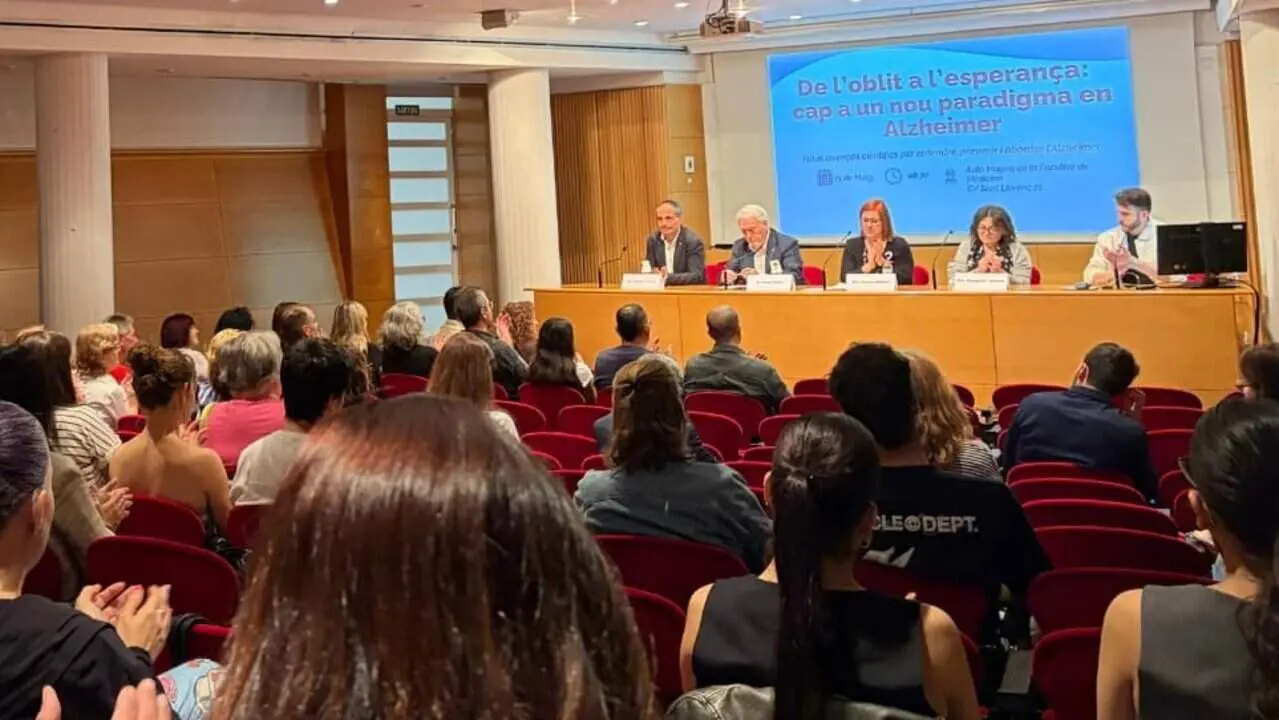

The event “From Oblivion to Hope” brought together researchers, professionals, and relatives interested in learning about the latest advances in this complicated battle against cognitive decline, a problem that threatens the quality of life of thousands of people.
Current challenges in Alzheimer’s research and treatment
New scientific paradigms in the disease
The speakers put on the table that Alzheimer’s is no longer the same disease as before. Biomedical research is changing the perspective, showing that the biological basis and clinical mechanisms are much more complex and modifiable than previously thought.
A clear example is its relationship with obesity and other metabolic diseases that increase risk, opening the door to addressing it from a perspective that goes beyond the brain.
Social and demographic impact on the horizon 2050
With Spain becoming one of the oldest countries in the world by 2050, experts warned that the healthcare system will face an unprecedented increase in cases of Alzheimer’s and other dementias.
Early diagnosis and the arrival of new drugs capable of modifying the course of the disease are, therefore, a hope that must be managed urgently.
Prevention strategies beyond medication
Up to 45% of cases can be avoided
The event highlighted that almost half of dementia cases could be prevented by changing daily habits. Physical activity, a balanced diet, and a healthy social environment are some of the keys.
This message is a call to attention: not everything depends on medications; prevention starts with lifestyle.
Brain health and the sick planet
Experts put on the table the paradox of wanting a healthy brain in a polluted world. The influence of environmental pollution on cognitive decline opens up as a new field of study and action.
An approach that demands a broader and coordinated vision in public health.
Emerging research and multidisciplinary collaboration
Gut microbiota as a new frontier
The study of what happens inside our intestines has become an emerging line to better understand Alzheimer’s. A pathway that promises new strategies in both prevention and treatment.
It is a reminder that the disease cannot be viewed solely from a reductionist perspective.
A turning point in the approach
The final roundtable showed that the disease is undergoing a radical change, where innovative therapies and a preventive and early approach combine to mark a new path.
Experts and relatives agree that this multidisciplinary outlook is essential to face the current challenges.
The debate is open and the pressure to find effective solutions has never been greater.
Source of the article: Rovira i Virgili University